


MALAYSIA is facing a quiet but growing crisis in its teaching profession, and it has been building for some time.
Every year, more than 12,000 teachers leave the system, with a significant proportion opting for early retirement. This is not merely a numbers problem. It signals a deeper structural issue within the education system.
What is most concerning is not the figure itself, but the reason behind it. Nearly 62% of those who left reportedly cited “loss of interest” in the profession. That figure is striking.
Teaching is rarely a career people abandon lightly. Most enter the profession with a strong sense of purpose and a desire to make a meaningful difference in students’ lives. When that sense of purpose erodes, it points to systemic failure.
Increasingly, teachers in Malaysia have become burdened with administrative duties. Across the country, many report spending more time on paperwork, reporting, digital documentation, and non-teaching programmes than on actual classroom instruction.
Education has become heavily driven by data and compliance requirements, often at the expense of human engagement. Teachers are now evaluated not only on student outcomes, but also on administrative performance that has little direct connection to teaching and learning.
Today’s teachers are expected to fulfil multiple roles simultaneously: educator, counsellor, social worker, data manager, disciplinarian, event organiser, and public relations officer.
It is therefore unsurprising that many begin to feel overwhelmed and disconnected from the core purpose of teaching.
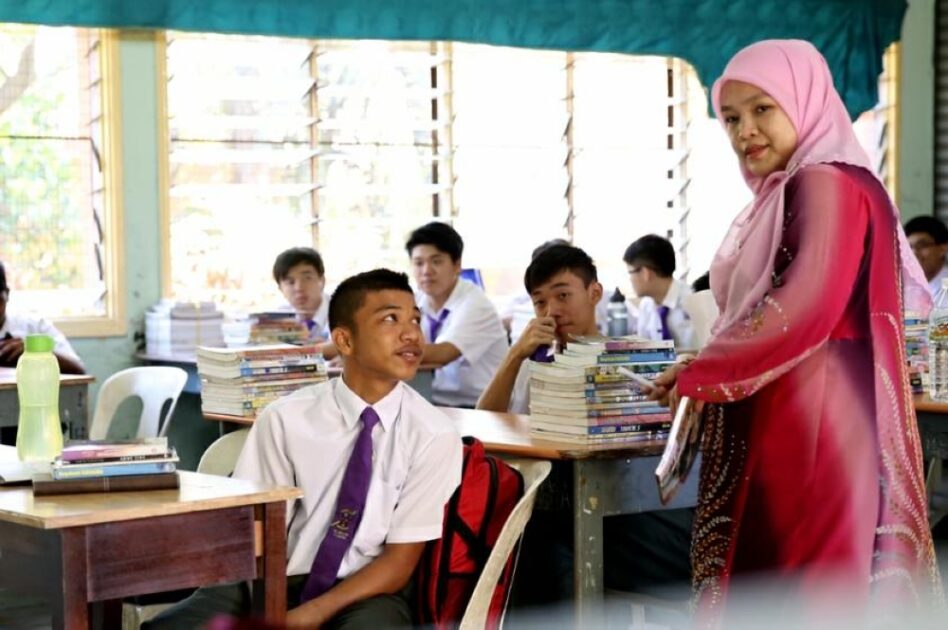
There is also the question of respect. A generation ago, teachers were among the most respected members of society. Today, many feel caught between demanding parents, social media criticism, policy pressures, and unrealistic expectations.
A single classroom incident can quickly escalate online, often without context. At the same time, teachers are expected to manage students who are increasingly affected by mental health challenges, family pressures, and digital dependency.
A fundamental contradiction has emerged: while society demands a world-class education system, teachers are often treated as low-level administrators rather than nation-builders.
Another concern is the ageing workforce. A large number of teachers are approaching retirement, while too few young Malaysians are entering the profession.
For many graduates, teaching is seen as high-stress and bureaucratic, particularly when compared with other career options. Shortages are already emerging in critical areas such as STEM subjects, especially Mathematics.
Rural postings present additional challenges. Teachers assigned to remote schools often face long separations from their families, poor infrastructure, limited internet access, and fewer opportunities for professional development.
Many wait years for transfers closer to home, and over time, this contributes significantly to burnout.
Mental health is another issue that remains largely under-addressed. Teacher burnout is a global phenomenon, and Malaysia is no exception. Constant curriculum changes, pressure to meet performance targets, large class sizes, and the long-term effects of the pandemic have all added to the strain.
Many teachers continue working despite emotional exhaustion, often due to financial constraints or lack of alternatives.
If this trend continues, Malaysia risks entering a downward cycle: fewer experienced teachers, declining education quality, weaker student outcomes, and a loss of long-term national competitiveness.
This issue cannot be treated as a simple human resources problem. It is a structural and national concern.
Several urgent steps are needed.
First, unnecessary administrative workload must be reduced. Schools should employ more administrative and digital support staff so that teachers can focus on teaching.
Second, greater professional trust must be given to teachers. Excessive micromanagement and constant reporting requirements should be reduced, as they undermine morale and creativity.
Third, mental health support must be prioritised. Regular counselling services, burnout prevention programmes, and manageable workloads should be implemented meaningfully, not just as policy statements.
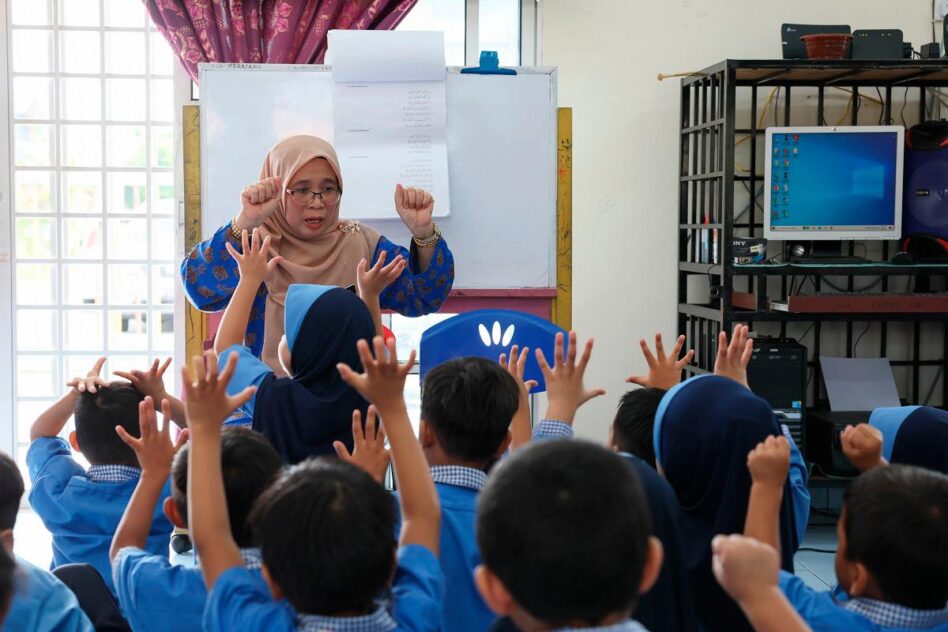
Fourth, clearer career progression pathways should be created. Teachers should have opportunities for advancement through specialist roles, curriculum leadership, research involvement, and international exchange programmes.
Fifth, conditions for rural teachers must be improved. This includes better housing, stronger financial incentives, faster transfer systems, and improved family support.
Sixth, public respect for the teaching profession should be actively restored through sustained national campaigns. Leadership voices must consistently reinforce the importance of teachers to national development.
Parents also have a role to play. They must be partners in education rather than adversaries. Schools cannot replace parenting, and teachers should not be expected to carry the full burden of discipline, values, and emotional development.
Finally, Malaysia must rethink the purpose of education. If schools become purely exam-focused institutions driven by rankings and bureaucracy, teachers will continue to lose their sense of purpose.
Education must be about developing human beings — intellectually, emotionally, and morally.
A nation’s future is shaped in classrooms every day. Engineers, doctors, scientists, entrepreneurs, and leaders all begin with teachers.
When teachers themselves are exhausted and leaving the profession, it raises a difficult question: what does that say about our national priorities?
Malaysia still has time to reverse this trend. But doing so will require more than speeches or recruitment drives.
It demands structural reform, genuine respect for the profession, and a renewed commitment to restoring teaching as a career that people enter with pride and remain in with purpose.
KT Maran is a Focus Malaysia viewer.
The views expressed are solely of the author and do not necessarily reflect those of MMKtT.
- Focus Malaysia.

No comments:
Post a Comment
Note: Only a member of this blog may post a comment.