


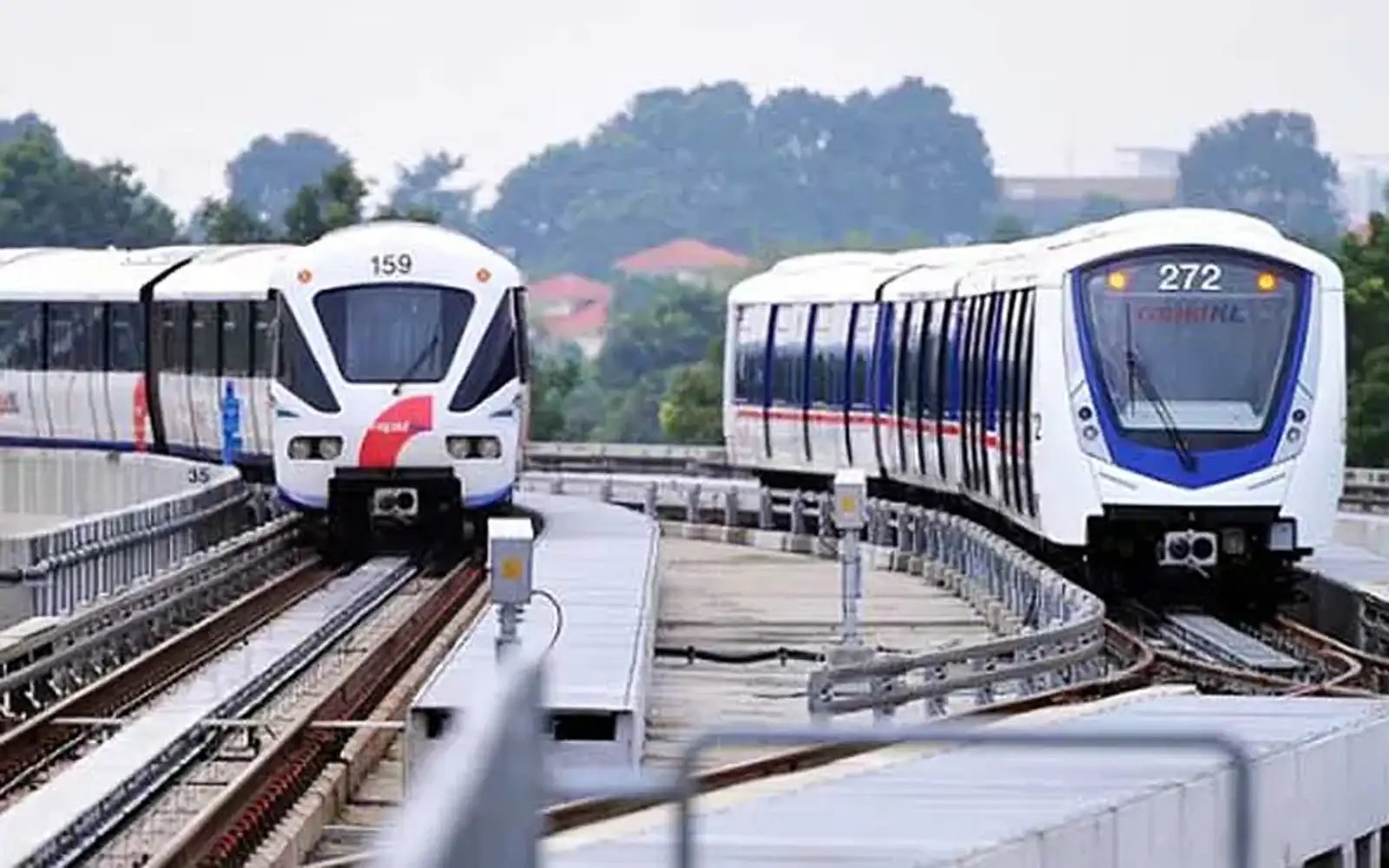
RAPID Rail is targeting the rollout of 26 new train sets for the Kelana Jaya Light Rail Transit (LRT) Line beginning in 2031 as part of efforts to improve operational efficiency, increase passenger capacity, and reduce service disruptions.
Rapid Rail chief operating officer Nor Azmi Mohd Yusof said the replacement programme is already underway, with the first train expected to arrive in 2029. Full deployment of all 26 train sets is targeted by the end of 2030.
He described the initiative as a long-term measure aimed at strengthening the reliability, safety, and resilience of the Klang Valley’s rail network.
“As a short-term measure while awaiting the arrival of the 26 new train sets in phases until the end of 2030, Rapid Rail is currently implementing a condition-based maintenance (CBM) approach,” he said during a press conference today (May 20).
Under the CBM approach, inspections are conducted more frequently, and components showing early signs of wear or damage are replaced immediately instead of waiting for scheduled maintenance intervals.
The announcement comes amid mounting pressure on the Kelana Jaya Line, which has faced repeated technical disruptions in recent months due largely to ageing train systems.
The line is among the busiest rail corridors in the Klang Valley, connecting key residential and commercial hubs across Kuala Lumpur and Selangor.
Nor Azmi said the Kelana Jaya Line recorded a load factor of 109 per cent in April following an 11 per cent increase in ridership this year.
To cope with rising passenger demand, Rapid Rail has increased the number of trains in operation to shorten waiting times.
“We will only release trains for operation after ensuring they are completely safe to use. In managing the load factor, we are also implementing phased congestion control measures to ensure station platforms do not become overcrowded and compromise passenger safety,” he said.
He added that system stabilisation and upgrading works would continue to be monitored closely, with improvements expected to take between one and two years based on the project’s defect liability period.
Nor Azmi also said the public’s growing reliance on rail services following recent fuel subsidy adjustments reflects increasing trust in public transport.
“It is a great responsibility for us to ensure rail services in the Klang Valley continue operating efficiently and smoothly,” he said. – Focus Malaysia

No comments:
Post a Comment
Note: Only a member of this blog may post a comment.