


Activists have urged the MACC to conduct a thorough investigation into the transfer of three Malaysian elephants to Japan’s Tennoji Zoo, following allegations of supposed anomalies in the transaction.
Association for the Protection of the Natural Heritage of Malaysia (Peka) president Rajesh Nagarajan claimed the group has obtained several documents that raise questions about the shipping process of the animals.
He told a press conference yesterday that the concerns centre on ownership, the location of the elephants, and the parties involved in the export arrangement.
Rajesh, a lawyer, asserted that among the documents is a “Form A”, which he said is the export licence for the three elephants.
The document was allegedly issued under the name of Taiping Zoo and Night Safari, but listed Pahang as the location where the elephants were situated.
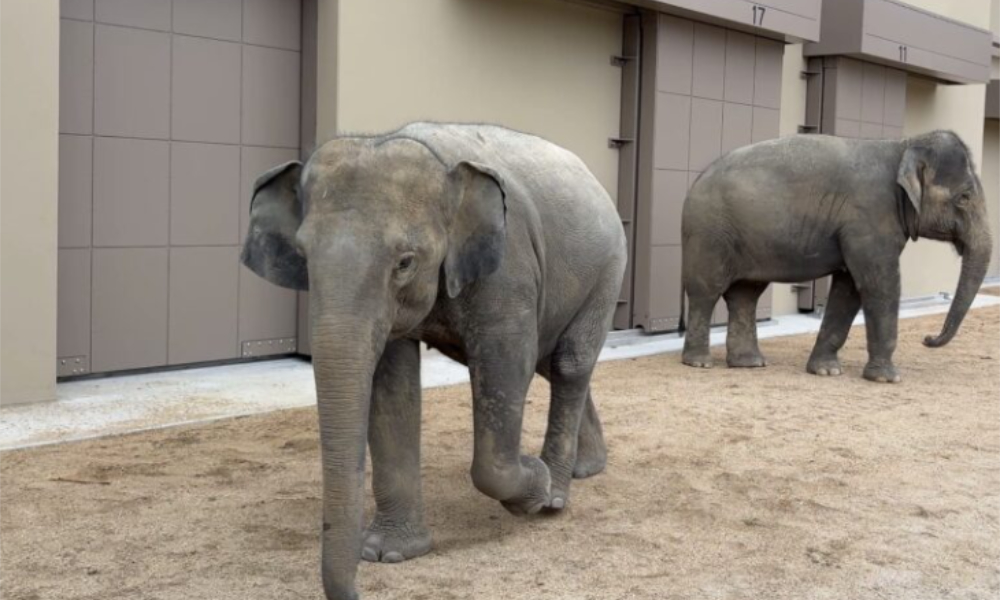
“I suspect what happened is that the ownership of the three elephants was transferred to Taiping Zoo. However, physically, the three elephants were still in Pahang, specifically in Kuala Gandah.
“When they were then shipped to Japan, these elephants were sent directly from Kuala Gandah to KLIA and subsequently from KLIA to Japan. That is what I believe happened,” Rajesh theorised.
He also questioned the role of a veterinary officer from Pahang who is said to have certified the documents related to the shipment, emphasising that authorities need to clarify the actual location of the elephants when inspections were carried out to avoid any confusion.
He also displayed cargo shipping bills for the three elephants to Japan, totalling hundreds of thousands of ringgit.
“The cost to send the elephants to Japan was RM368,000. Who paid that cost? Did the ministry or Perhilitan (National Parks Department) pay? Or did Tennoji Zoo pay?” Rajesh pressed.
“Without the approval of the Perhilitan director-general, the shipment could not be done. This means Perhilitan had already given approval, and the ministry also had to approve it.”

Calling for the agreement to be made public, Rajesh said Peka will file an official report to the MACC to enable a probe into potential corruption, abuse of power, or misappropriation in the elephants’ shipment.
Malaysiakini has contacted Perhilitan and the Tennoji Zoo for a response.
Ministry has ‘no legal authority’ over deal
On April 29, the Natural Resources and Environment Ministry urged parties who signed the agreement for the elephants’ transfer to “seriously consider” the need to return the animals to their original habitat.
Minister Arthur Joseph Kurup said their return from the zoo in Osaka should be planned if it is found that the arrangement does not align with wildlife conservation principles, animal welfare, and current sensitivities.
“I strongly urge the management of Taiping Zoo and Night Safari to initiate negotiations with Tennoji Zoo, to assess the necessity and mechanism for bringing the elephants back to the country,” Arthur told a press conference then.

However, he conceded that as an external party to the 2022 agreement between two private entities, the ministry has no legal authority to enforce termination or mandate the elephants’ return.
Speaking to the media yesterday, Rajesh also took issue with the minister’s assertion that the agreement is a “business-to-business” (B2B) deal between the Taiping Zoo, Night Safari, and the Tennoji Zoo.
“If it is business, there must be payment, right? There must be someone receiving money - who paid? How much did we receive? Is it hundreds of thousands or millions (of ringgit)?” Rajesh questioned.
No commercial elements involved
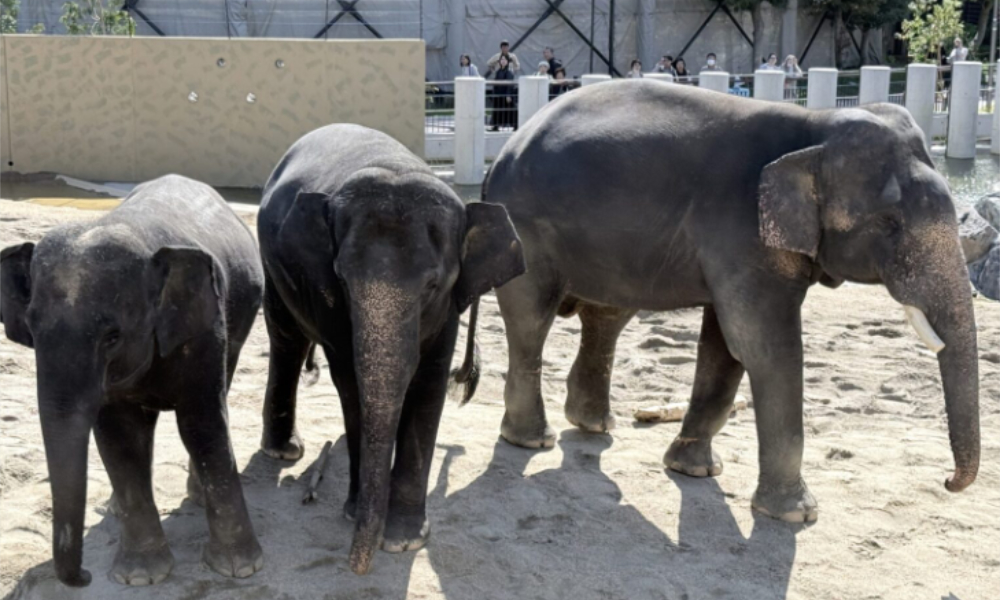
The Taiping Municipal Council (MPT) on May 9 clarified that there are no commercial elements in the agreement involving the elephants known as Dara, Amoi, and Kelat.
Stressing that the term B2B does not reflect the “true spirit” of the agreement, MPT president Akmal Dahalan said the agreement is strictly zoo-to-zoo, and not a business transaction.
He also countered viral claims of payments to the zoo and local council, and alleged non-compliance with existing laws.
It was previously reported that Perhilitan had coordinated the elephants’ relocation to Japan on March 10 as part of a long-term conservation plan initiated more than a decade ago under an agreement between the zoos.
The issue gained widespread public attention after various quarters raised concerns about the living conditions of the elephants housed in Tennoji Zoo, including wounds reportedly seen on Dara and behavioural changes observed in Amoi.
Amid growing concerns, the zoo released a series of photos showing the three elephants supposedly living well under its care.
The zoo, however, did not directly address questions on its track record in elephant care, where critics have pointed to the case of Hiroko, an Asian elephant who reportedly lived alone for years before dying in 2018, purportedly due to an untreated chronic foot condition.
On May 14, the Parliamentary Special Select Committee on Environment, Science, and Plantation Industries proposed a visit to Japan to check on the elephants. - Mkini

No comments:
Post a Comment
Note: Only a member of this blog may post a comment.