


If work stress could really “turn” someone gay, then Malaysia’s most exhausted citizens, such as our single mothers who often juggle two or three jobs just to keep a roof over their children’s heads, would already be marching in Pride parades and waving rainbow flags.
But they are not. Why? It is because they are too busy surviving. Which is why a recent parliamentary reply linking work stress to LGBTQ+ behaviour did more than raise eyebrows: it turned Malaysia into a subject of international mockery.
This was not a careless aside or a joke taken out of context. It appeared in a written parliamentary reply by Minister in the Prime Minister’s Department (Religious Affairs) Zulkifli Hasan, responding to a question from Rantau Panjang MP Siti Zailah Yusoff.
Siti Zailah asked Parliament for the latest data and statistics on LGBTQ+ trends in Malaysia, including percentage breakdowns by age group and ethnicity, as well as the main contributing factors to any increase in cases.
Her question was quite specific, and one would have expected a factual, evidence-based reply.
Instead, Zulkifli conveniently pivoted to moralistic musings: work stress, social environment, sexual experience, and religious observance. What Siti Zailah and the rakyat did not get were the statistics, the percentages, the research.
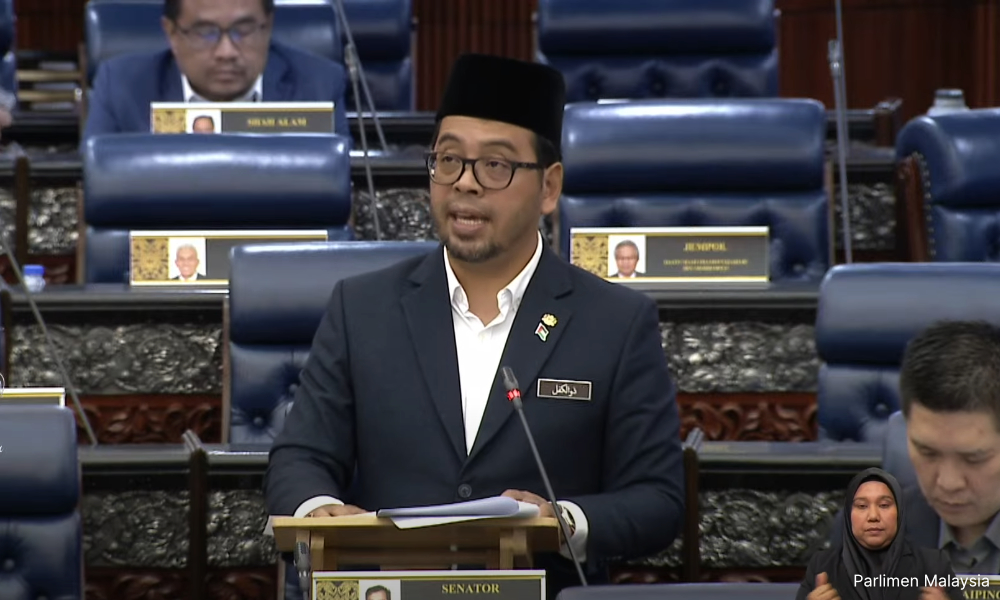
He omitted these, and what Parliament received instead was not data, but conjecture.
‘Many factors lead to LGBTQ+ lifestyle’
In his written reply, the minister acknowledged that there are no comprehensive official statistics on LGBTQ+ demographics in Malaysia.
He cited a 2017 study by Sulaiman et al, stating that “various factors influence an individual’s involvement in an LGBTQ+ lifestyle.”
These factors were listed as social influences, sexual experiences, family background, social environment, work-related stress, and a lack of religious appreciation.
Many Malaysians would wonder why such statistics about LGBTQ+ trends have not been compiled, especially as the authorities have often targeted and discriminated against this group of people.

In the past, boys who showed effeminate tendencies were sent to boot camps where they were beaten to “man up” and to make them tough.
Ask for one thing, get something else
Even when read in full (parliamentary reply was in Bahasa Malaysia) and in context, the reply remains striking for what it does not contain.
There are no numbers, no trends, no age profiles, no ethnic breakdowns. What is offered instead is a broad theory of influence, delivered from the floor of Parliament by a minister.
In governance, that distinction matters. When ministers answer factual questions with theory instead of evidence, Parliament loses its ability to scrutinise power, and accountability slips away unnoticed.
The absurdity deepens when one considers the source of the question. Siti Zailah is herself no stranger to controversy, having previously drawn public outrage for remarks perceived as minimising domestic violence.
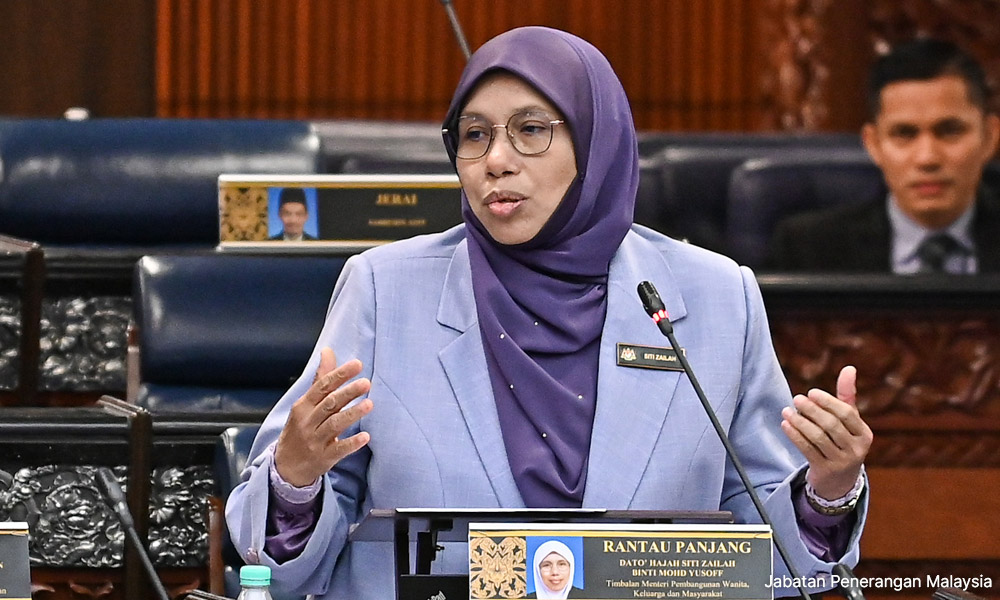
In 2022, she encouraged husbands to “gently” beat their wives who exhibited “unruly behaviour”.
Legislature, or comedic club?
That both the questioner and the respondent have, in different moments, sparked national backlash only reinforces the oft-held belief that Parliament has become a comedy theatre, with familiar actors delivering ever more predictable performances.
Comedy, however, has consequences. When a senior minister casually includes “work stress” as a factor influencing sexual orientation, the statement takes on a life of its own.
Can you imagine the potential nightmare faced by parents? They may urge their children to study harder, but may soon encounter the retort: “Whatever for? Do you want me to turn gay?”
Employers pushing productivity, and teachers demanding excellence, could also find themselves unwitting villains in this new moral fable.
In trying to explain one phenomenon, Parliament has succeeded only in trivialising work, stress, and identity alike.
By that same logic, uncomfortable questions arise. Does this mean all gay people are exceptionally hardworking?
And if stress is the missing ingredient, does it imply that our MPs, who appear to be immune to such transformations, are simply not working hard enough?
Why do we target gay people as convenient symbols of social anxiety? This logic echoes earlier remarks by politicians who blamed victims of sexual assault on clothing or behaviour. They shift responsibility away from systems and onto already marginalised groups.
No laughing matter
Meanwhile, the silence from senior leadership has been deafening. Neither the Prime Minister’s Office nor key ministers responsible for women, education, or public health stepped forward to clarify, contextualise, or correct the public misunderstanding.
In politics, silence is rarely neutral. It either signals consent or indifference. Neither is reassuring.
There will be domestic confusion and reputational damage. At a time when nations compete on credibility, governance, and evidence-based policymaking, Malaysia has instead offered the world a viral soundbite and a masterclass in how not to answer a parliamentary question.
The laughter abroad is not malicious; it is incredulous.
So, we come full circle. Single mothers holding down multiple jobs remain exactly who they were before this parliamentary exchange: overworked, under-supported, and grounded in reality.
No amount of stress has altered their identities. What has changed, however, is public confidence in institutions meant to lead with clarity and reason.
Malaysians do not require entertaining comedy or personal beliefs in Parliament. They want governance.
More importantly, if work stress could shape identity, what does that say about our understanding of real stress, real mental health, and real lives?
Until Malaysia decides its Parliament is a house of accountability, not a stage for farce, the audience will keep laughing. Unfortunately, the country quietly pays the price. - Mkini
MARIAM MOKHTAR is a defender of the truth, the admiral-general of the Green Bean Army, and the president of the Perak Liberation Organisation (PLO). Blog, X.
The views expressed here are those of the author/contributor and do not necessarily represent the views of MMKtT.

No comments:
Post a Comment
Note: Only a member of this blog may post a comment.