



MALAYSIA’S enforcement agencies deserve recognition for their consistent and determined efforts in combating the illicit cigarette trade.
Across the country, enforcement operations continue to disrupt smuggling routes, seize contraband and target syndicates, often at significant operational risk and cost. These efforts reflect professionalism, resolve and sustained commitment on the ground.
Illicit cigarettes continue to present challenges for government revenue collection. Despite substantial investments made each year to address smuggling in Malaysia, tax leakages remain a concern.
The persistence of illegal cigarettes is not a marginal or temporary issue. It reflects a deeply entrenched form of organised economic crime, embedded within market structures and consumer behaviour.
At current levels, the illicit cigarette trade is estimated to cost Malaysia up to RM5 bil in lost revenue annually, draining public finances, distorting legitimate markets and strengthening the shadow economy.

International law enforcement agencies have consistently found that illicit cigarette syndicates operate in a highly organised and systematic manner, often as part of broader cross-border criminal networks also involved by crime syndicates and terrorist organisations, narcotics trafficking, human smuggling, and money laundering.
In the Malaysian context, this means the illicit cigarette trade is not an isolated revenue offence but a conduit through which organised crime can entrench itself and put continued pressure on border security efforts, resulting in ongoing losses to public revenue as well as country’s image.
Available studies also indicate that price differentials may influence consumer purchasing behaviour as illegal tobacco products are typically sold at prices below the government-controlled minimum retail price.
This suggests that it may be worthwhile to carefully consider how fiscal measures can be aligned with enforcement initiatives so that they work together in a supportive and complementary manner.
Syndicates involved in the illicit tobacco trade are often highly networked and have developed a strong understanding of customs procedures and legal frameworks which allows them to adjust or adapt quickly their activities in response to enforcement priorities and operational limitations.
Strategies play a central role in enhancing the effectiveness of seizures of illicit cigarettes. They guide enforcement efforts by identifying high-risk areas, and prioritising operations.
When supported by refreshed approaches such as intelligence-led targeting, data sharing, and innovative surveillance techniques, these strategies help maximise the reach and impact of enforcement actions, ensuring that operations are both efficient and legally robust.
Effective enforcement can be strengthened through cross-agency collaboration and multidisciplinary cooperation, extending reach and supporting legal follow-up against syndicated smugglers.
International cooperation and structured information-sharing mechanisms can further enhance the ability of authorities to track, disrupt and intercept cross-border smuggling networks operating across multiple jurisdictions.
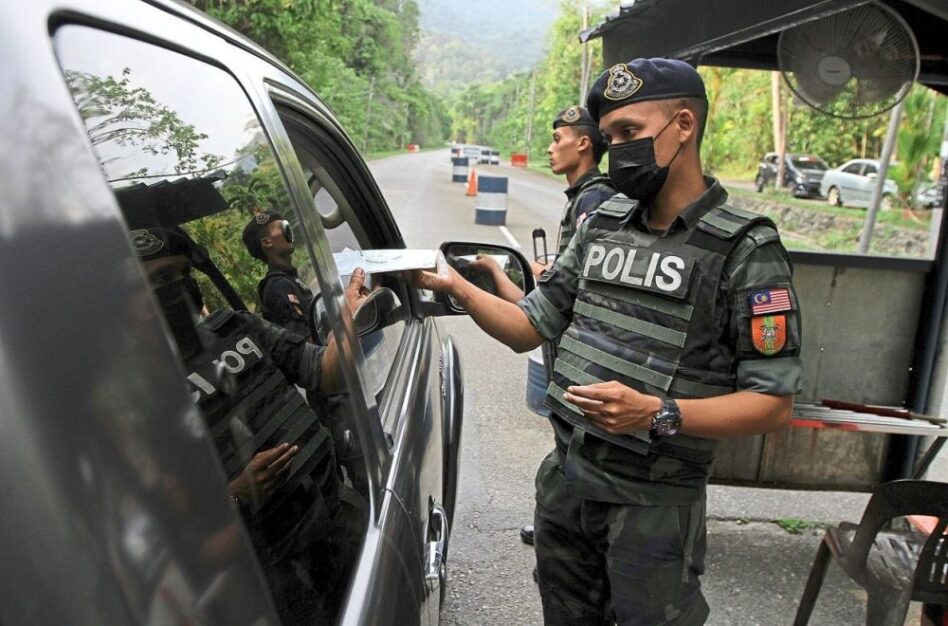
This also highlights the importance of ensuring that enforcement agencies are adequately resourced, with sufficient budgetary support and personnel as well as latest and appropriate technology capability to carry out their responsibilities effectively as part of a coordinated national response.
In the longer term, illicit cigarettes cannot be addressed solely as a border enforcement issue. They should be recognised as a broader national economic security and governance challenge with potential links to organised crime and, in some cases, the financing of extremist or terrorist activities.
This calls for a coordinated response that brings together enforcement, engagement with key tobacco industry players, market regulation, policy and initiatives to influence consumer behaviour.
Without such a balanced and integrated approach, the illicit cigarette market is likely to persist, continuing to affect government revenue and wider national security interests.
Datuk Seri Dr Akhbar Satar is the president of Malaysian Integrity and Governance Society.
The views expressed are solely of the author and do not necessarily reflect those of MMKtT.
- Focus Malaysia.

No comments:
Post a Comment
Note: Only a member of this blog may post a comment.