

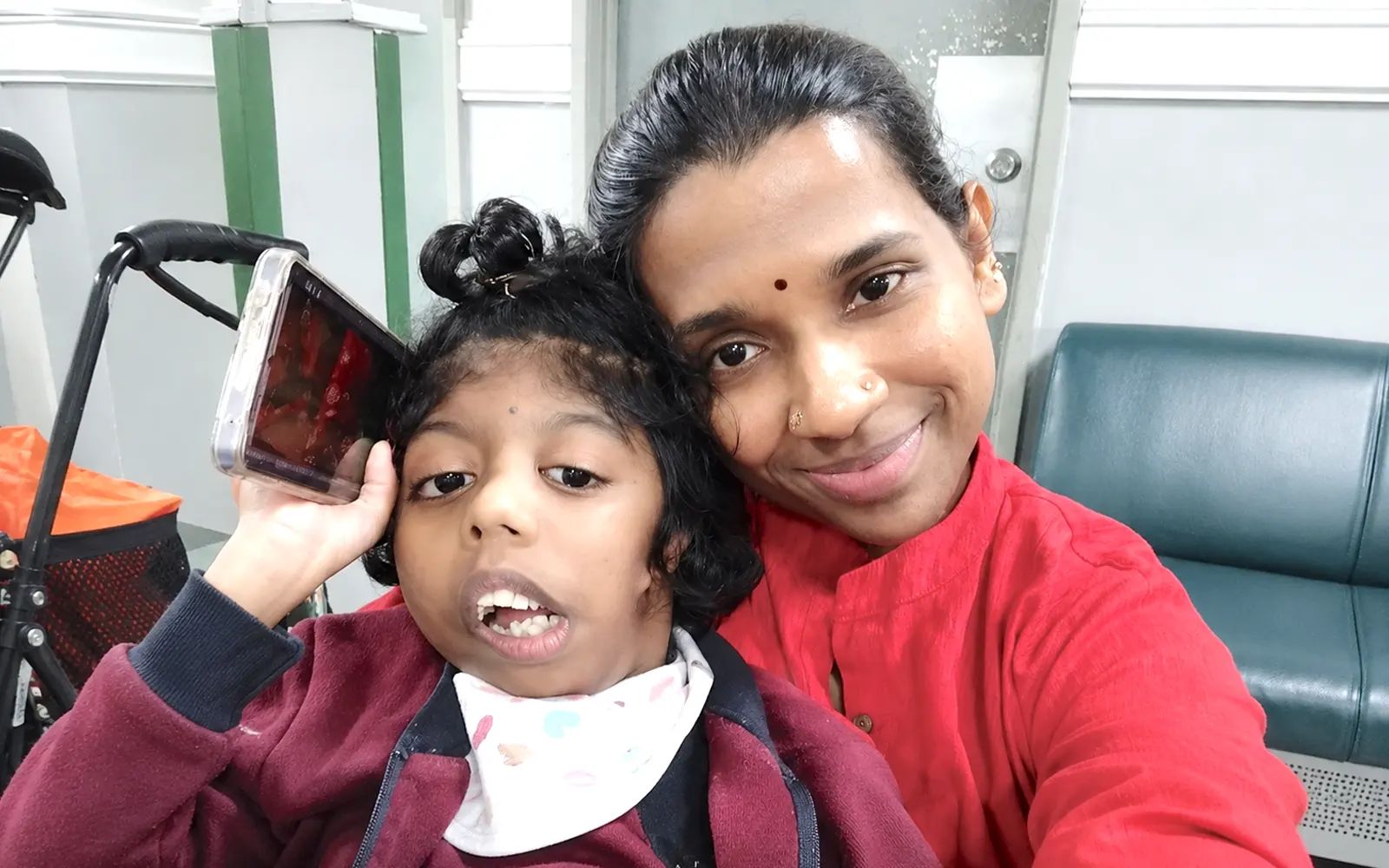
The story of nine-year-old Yaashika Steven Dass highlighted in FMT spoke not of division, but of compassion, generosity, and the shared humanity of Malaysians.
From Endra Thapa
In recent months, Malaysians have found ourselves confronted with headlines that constantly highlight our differences.
Political debates, racial narratives, and social tensions often dominate public discourse, leaving many to wonder whether division has become the defining feature of our nation.
Yet, amid these narratives, I cannot help but ask, “Is this the real Malaysia?”
Over the past few days, the story of nine-year-old Yaashika Steven Dass highlighted in FMT has provided a different answer, one that speaks not of division, but of compassion, generosity, and our shared humanity.
Beyond the headlines and the noise of public discourse lies another Malaysia, one that rarely captures national attention yet reveals itself when it matters most.
It is a Malaysia where empathy transcends differences, where strangers rally around those in need, and where humanity outweighs the labels that often divide us.
Yaashika’s story is a reminder that while our differences may dominate the conversation, they do not define who we are. In our most important moments, Malaysians continue to demonstrate a remarkable capacity for kindness, solidarity, and collective action.
Living with Townes-Brocks syndrome, Goldenhar syndrome, and Pierre Robin sequence – a rare combination of congenital conditions that affect her ability to breathe normally – Yaashika urgently required medical intervention to improve her breathing ability which costs RM78,000.
For her mother S Kogila Vani, a single parent who has spent years navigating her daughter’s complex medical needs, the amount seemed beyond reach. Then something remarkable happened.
Recognising the urgency of Yaashika’s situation, FMT brought her story to national attention, ensuring that her plea for help reached Malaysians across the country with urgency.
Malaysians from all walks of life responded with extraordinary generosity. Donations began flowing in from complete strangers, individuals, families, community groups, professionals, retirees, and students.
Some contributed large sums, while many gave whatever they could afford. Others shared her story across social media and messaging platforms, ensuring that it reached even more people.
Within 72 hours, the RM78,000 target was achieved.
Many offered prayers, encouragement, and words of hope to a family they had never met. The episode served as a powerful reminder that social media, when harnessed for good, can amplify humanity, mobilise communities, and create meaningful change within days.
For Yaashika, the donations represented more than financial assistance. They represented hope. For her mother, they were a reminder that she was not alone.
Yet this story extends beyond one family. It is another example of Team Malaysia answering a call for help, as it has done time and again in moments of hardship and adversity.
At a time when public attention is often focused on what divides us, Malaysians demonstrated what truly unites us. No one asked about race, religion, politics, or social status. They simply saw a child in need and responded with kindness.
This is the Malaysia that seldom makes the headlines – a Malaysia where neighbours help neighbours, communities rally together, and compassion transcends differences.
It is a Malaysia that embodies the spirit of kesopanan dan kesusilaan, one of the five pillars of the Rukun Negara, and reminds us that our shared humanity remains stronger than any division. - FMT
Endra Thapa is an FMT reader.
The views expressed are those of the writer and do not necessarily reflect those of MMKtT.

No comments:
Post a Comment
Note: Only a member of this blog may post a comment.