

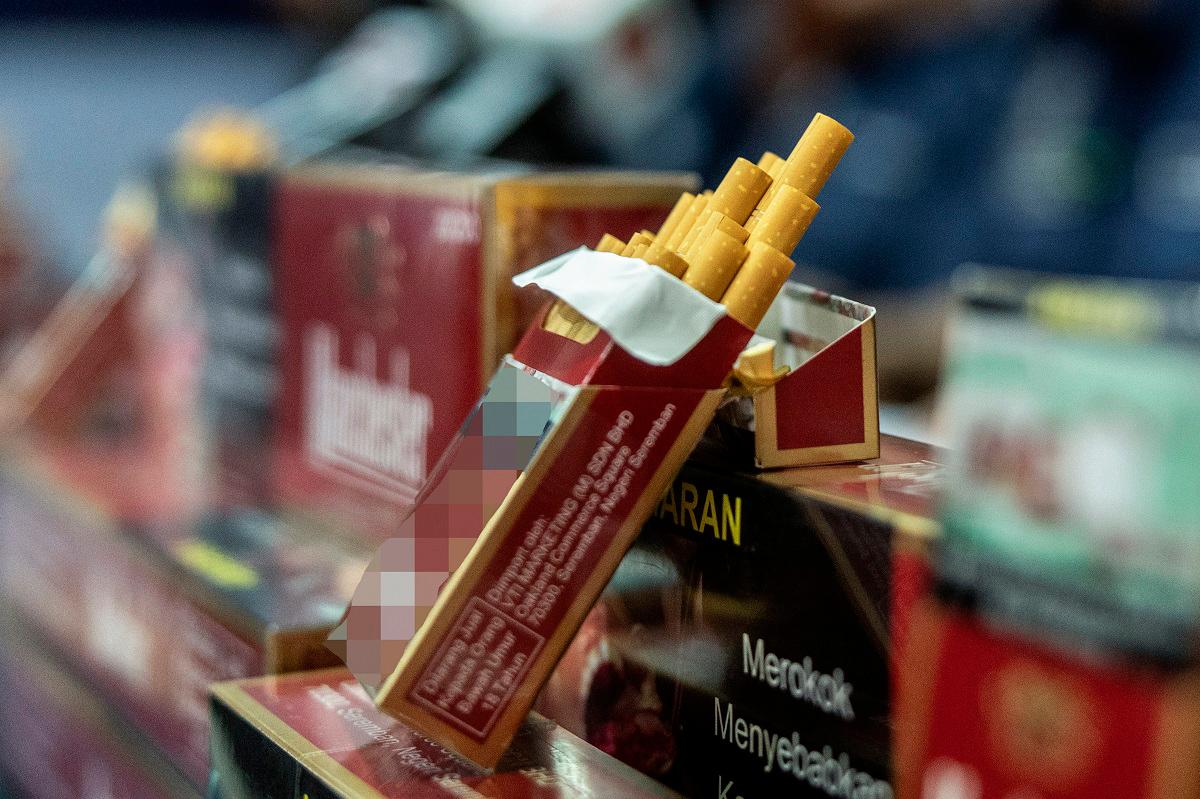
THE implementation of the Control of Smoking Products for Public Health Act 2024 (Act 852) must be supported by stronger enforcement and a coordinated national strategy to combat the growing illicit tobacco and vape market, the Consumer Choice Center (CCC) said.
The call was made following a roundtable discussion titled “The Effectiveness of Act 852 Implementation and Way Forward”, which brought together representatives from government agencies, enforcement bodies, academia, think tanks, industry groups, civil society organisations, and the media.
During the session, DM Analytics research director Dr Zouhair Rosli warned that Malaysia continues to face one of the most severe illicit tobacco problems in Southeast Asia.
“Malaysia was effectively the crown champion for illicit tobacco trade in Southeast Asia in 2025. If I take 100 sticks of cigarettes consumed in Malaysia, around 60 are illicit,” he said, adding that the black market is estimated to cost the government about RM11.5 bil in annual tax revenue losses.
He noted that the figure, while often seen in isolation, is equivalent to nearly nine months of Sumbangan Tunai Rahmah (STR) assistance for low-income households.
Dr Zouhair also cautioned that illicit tobacco and vape markets are increasingly linked to broader criminal networks, including smuggling syndicates, drug trafficking and corruption.
“It also invites criminal activity. We are not alien to the shadow economy,” he said, adding that Malaysia’s informal economy is estimated to account for about 21% of GDP, or roughly RM400 billion annually.
To illustrate the scale, he said the shadow economy is comparable in size to removing Selangor from Malaysia’s formal economic output.
Participants at the roundtable also highlighted persistent enforcement gaps, including weak border controls, extensive smuggling routes, limited manpower and resources, and inconsistent implementation across agencies and local authorities.
CCC stressed that Act 852 cannot be enforced effectively by a single agency alone, calling instead for a “whole-of-nation” approach involving the Health Ministry, Royal Malaysian Customs Department, Royal Malaysia Police (PDRM), Domestic Trade and Cost of Living Ministry, local councils and border enforcement agencies.
“Act 852 is a necessary and important regulatory foundation. However, enforcement credibility will determine whether the law genuinely protects public health or unintentionally strengthens the illicit market,” said CCC Malaysia country associate Tarmizi Anuwar.
CCC reiterated that Malaysia must prioritise dismantling illegal supply chains, strengthening inter-agency coordination, and ensuring consistent enforcement nationwide. ‒ Focus Malaysia

No comments:
Post a Comment
Note: Only a member of this blog may post a comment.