


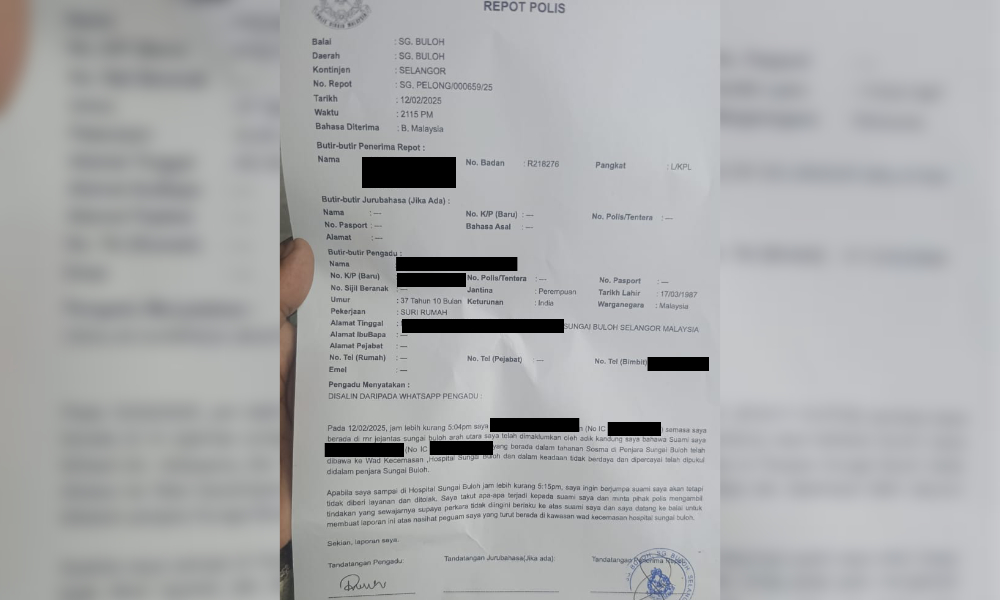
Only in Malaysia can a person quote historical facts, raise constitutional questions, express political criticism, or discuss academic issues and end up being investigated because somebody lodged a police report out of political outrage or theatrics.
Bukit Aman Criminal Investigation Department director M Kumar confirmed that police are investigating former DAP lawmaker Tony Pua over his remarks on the royal institution and the Rukun Negara.
The probe, initiated after 28 police reports were lodged nationwide, is being conducted under Section 505(b) of the Penal Code and Section 233 of the Communications and Multimedia Act 1998.
The irony is that the police are expected to investigate because it is politically correct, despite there being cases where the complainants who lodged the report could not even identify which part of the statement is wrong.
Even more troubling is how the system has normalised the idea that once a report is lodged, police resources must be mobilised, statements recorded, devices seized, and investigations opened, even when many of these cases ultimately end with no criminal charges or “No Further Action” (NFA), or acquitted by the courts without a defence being called.
This culture has created a dangerous precedent where police reports are increasingly weaponised as political tools rather than genuine instruments of justice.
Rise of ‘investigate-first’ politics
Malaysia has reached a stage where public discourse is often policed through outrage instead of reason.
Politicians, activists, academics, journalists, opposition figures, government critics, and even ordinary social media users have all faced investigations under laws such as:
Sedition Act 1948
Communications and Multimedia Act
Penal Code provisions related to public alarm or insult
Yet statistics themselves expose the imbalance between investigations and actual prosecutions.
Home Minister Saifuddin Nasution Ismail revealed that police opened 1,222 Sedition Act investigation papers between 2010 and 2025, but only 130 individuals were eventually charged.
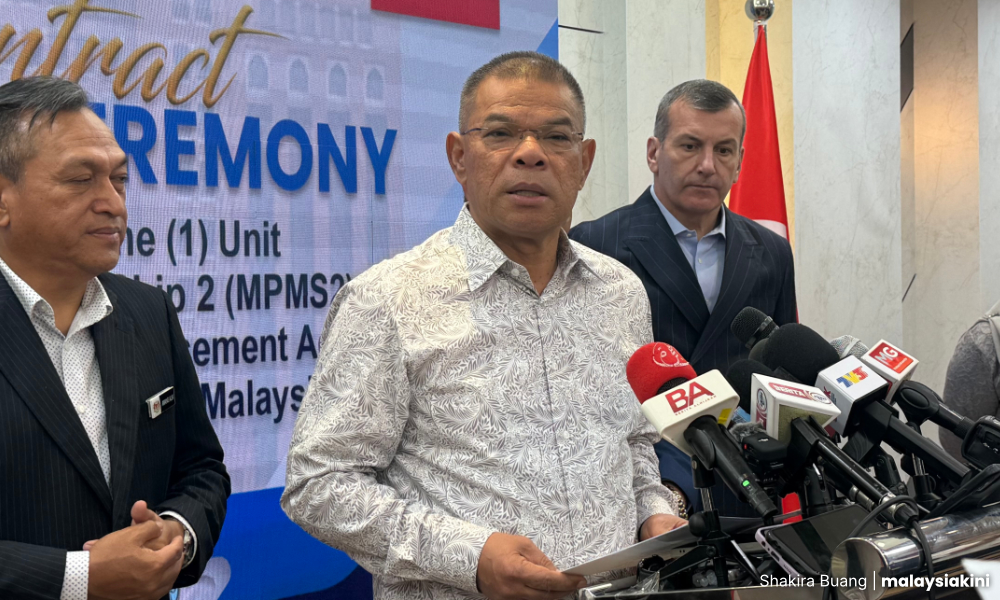
That means the overwhelming majority of investigations never resulted in prosecution.
Human rights group Suaram similarly noted that although Sedition Act investigations surged in recent years, only a small fraction actually reached court.
The implication is obvious - the investigation itself has increasingly become the punishment.
Everyone does it
This issue is not exclusive to one political bloc.
Across different administrations and political eras, police reports have become a weapon used by all sides:
Government supporters against opposition leaders
Opposition supporters against ministers
Activists against politicians
Politicians against activists
Rival parties against one another
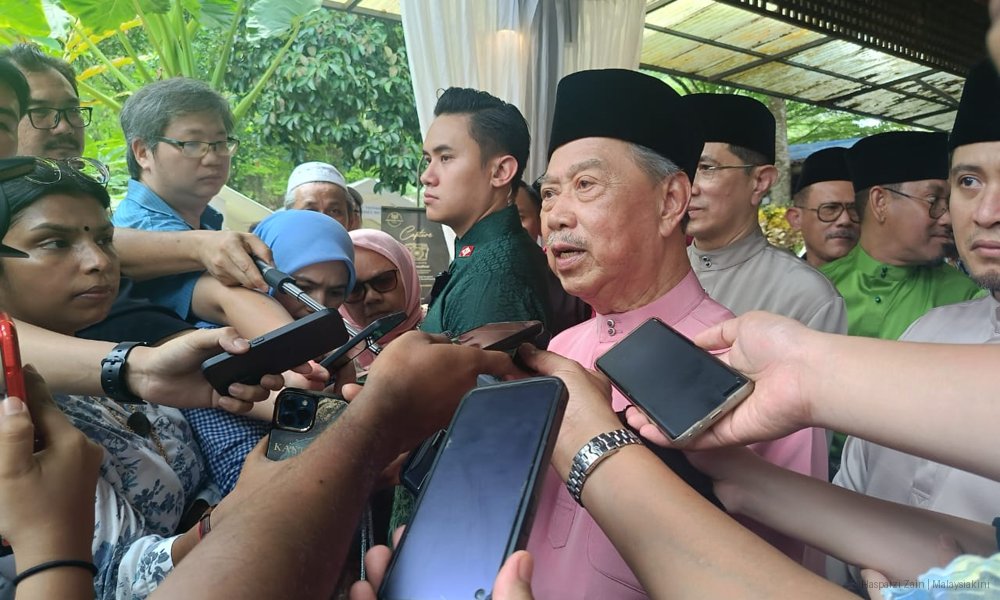
Former prime minister Muhyiddin Yassin was charged under the Sedition Act over remarks involving the royalty.
PAS president Abdul Hadi Awang has repeatedly faced investigations over speeches and remarks, with multiple reports and investigations drawing national attention.
Opposition figures, government critics, and activists have similarly been investigated over speeches, videos, and online commentary.
Activist Mukmin Nantang was questioned under sedition laws after highlighting issues involving the Bajau Laut community in Sabah.
Even cases involving high-profile political personalities often end without prosecution.
Minister in the Prime Minister’s Department (Law and Institutional Reform) Azalina Othman Said disclosed that 41 out of 60 criminal investigation papers involving politicians between 2020 and 2025 were ultimately classified as NFA.
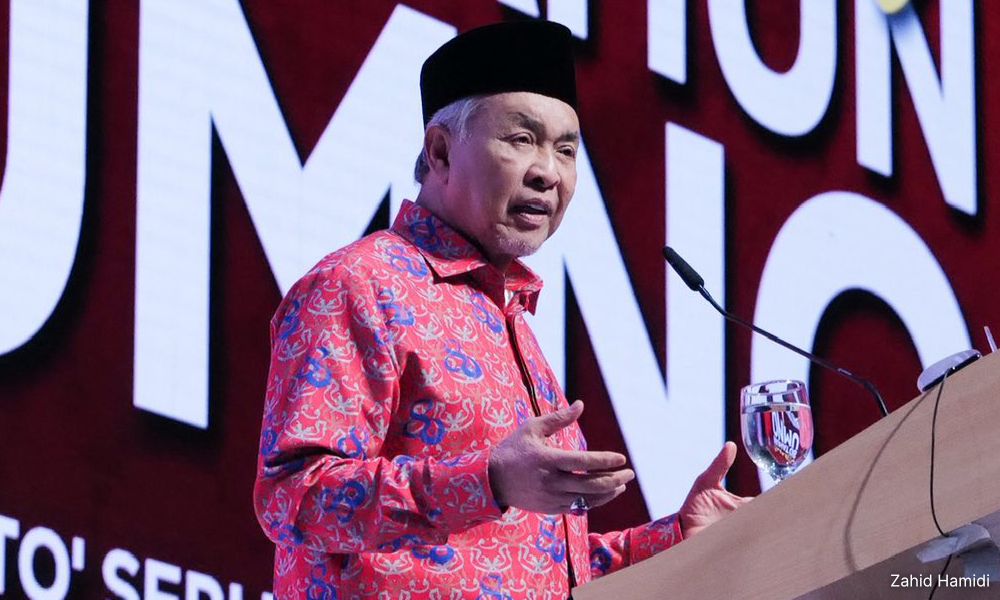
Meanwhile, the long-running Yayasan Akalbudi investigations involving Deputy Prime Minister Ahmad Zahid Hamidi eventually concluded with an NFA after years of political and legal drama.
The Chin Peng ashes controversy also saw multiple police reports lodged and investigations conducted before authorities concluded there was insufficient evidence for further action.
Real cost: Fear and self-censorship
The real damage is not merely legal. The deeper problem is psychological and institutional.
When academics, analysts, commentators, or ordinary citizens see people investigated for speeches, satire, political commentary, or historical discussion, many begin to self-censor.
People stop asking difficult questions. Universities become cautious. Public debate becomes shallow. Political discourse becomes emotional instead of intellectual.
Eventually, society shifts from comprehension and understanding, from “Is this statement true?” to “Will somebody make a police report?”
That is unhealthy for any democracy and more so for our multiracial, multicultural, and multireligious society.
Police resources should focus on real crime
Malaysia continues to face serious national problems:
Online scams
Syndicates
Corruption
Volent crime
Drug trafficking
Human trafficking
Cybercrime
Yet police manpower is repeatedly consumed by politically sensitive reports designed more for headlines and intimidation than actual criminal justice.
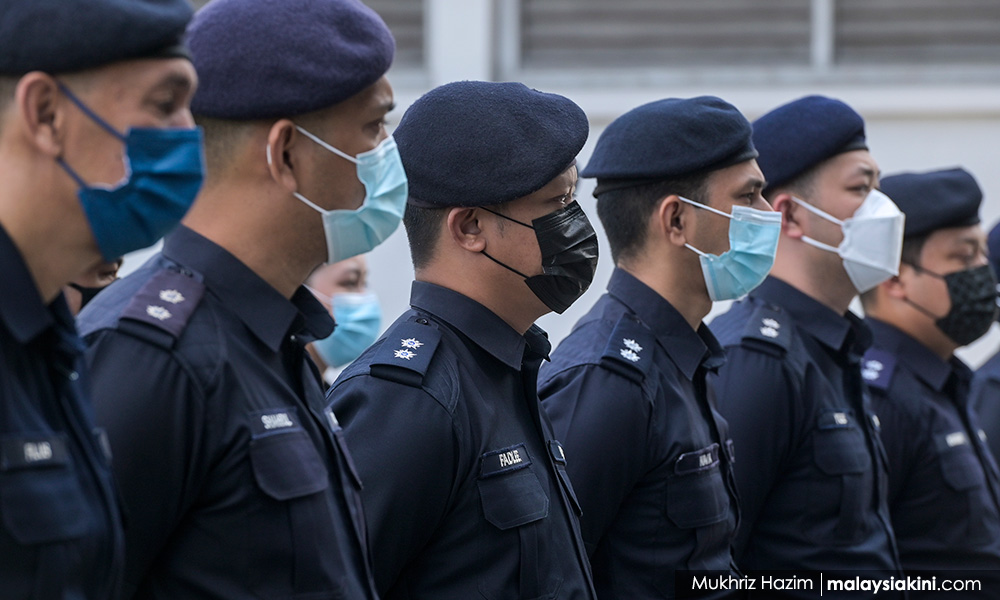
A police report should not automatically become a political ritual. There must be a distinction between genuine threats, incitement to violence, racial provocation, and legitimate criticism, academic debate, satire, or political disagreement.
Otherwise, Malaysia risks normalising a culture where “being offended” is treated as equivalent to criminal conduct.
Democracy can’t mature under climate of fear
A mature democracy is not one where nobody gets offended.
It is one where society can tolerate disagreement, criticism, uncomfortable truths, and opposing views without immediately demanding police intervention.
The increasing trend of politically motivated reports and prolonged investigations, especially those ending without charges, raises serious questions about proportionality, institutional priorities, and freedom of expression in Malaysia.
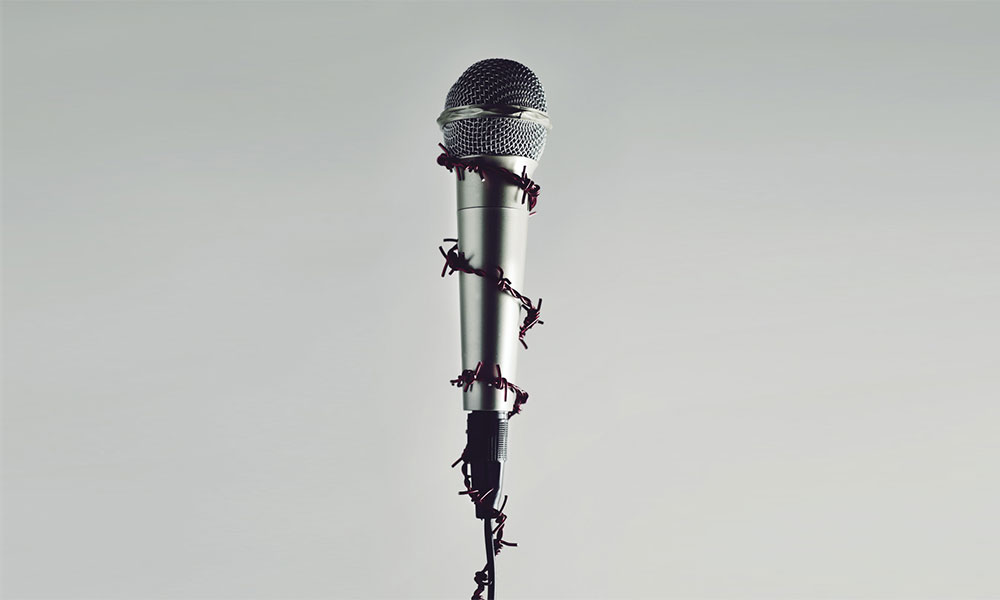
If almost everyone eventually becomes subject to police reports for political speech, then the issue is no longer about law enforcement. It becomes political theatre disguised as justice.
In Islam, making a false report or a false accusation is a major sin and a legally punishable offence.
Islamic law (syariah) places immense value on protecting reputations, and those who maliciously spread lies or fail to provide evidence for serious allegations face both worldly and spiritual consequences.
In line with this spirit, should we introduce a law to discourage these “politically motivated” police reports with no real substance? - Mkini
TI LIAN KER is former deputy unity minister.
The views expressed here are those of the author/contributor and do not necessarily represent the views of MMKtT.

No comments:
Post a Comment
Note: Only a member of this blog may post a comment.