


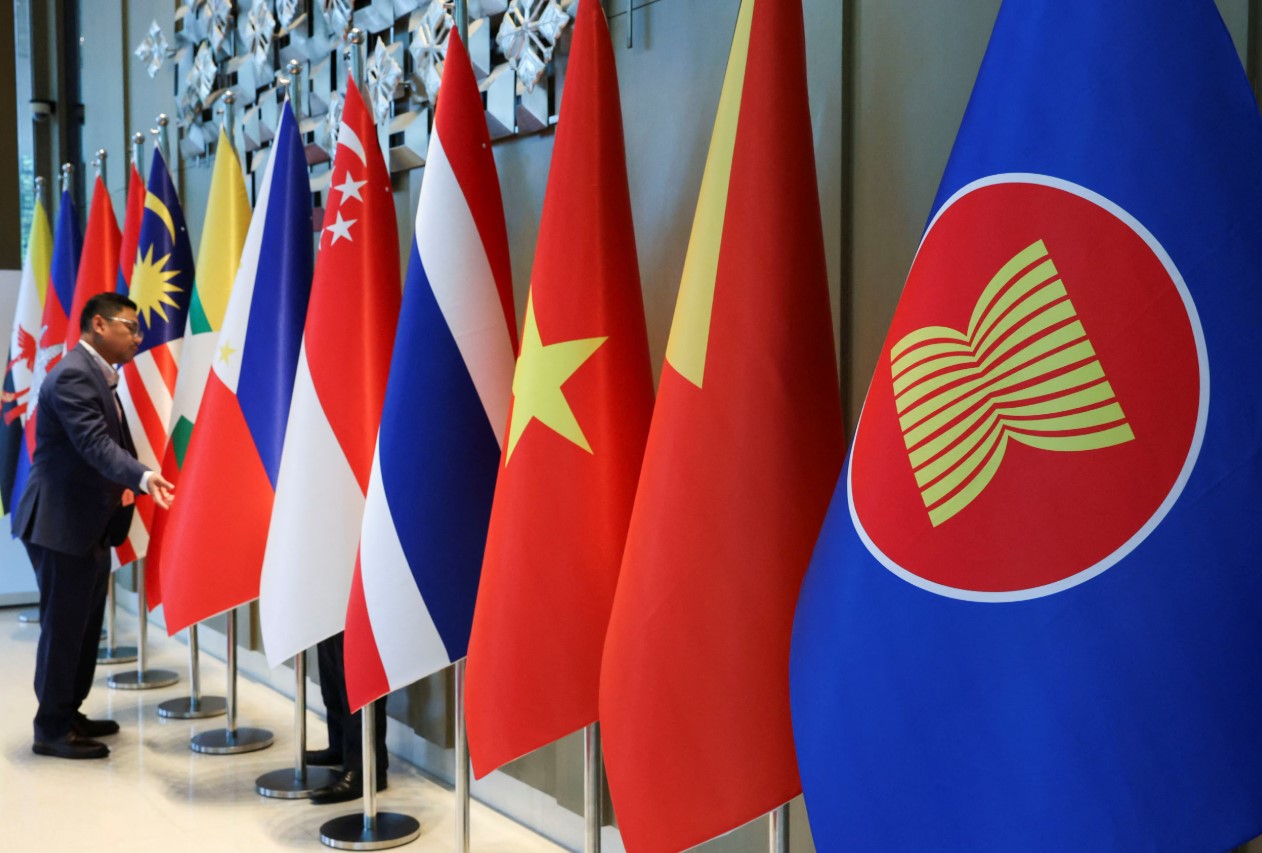
THE United States’ decision to restore the name Pacific Command (PACOM), replacing the Indo-Pacific Command established in 2018, may appear to be little more than a bureaucratic adjustment. In international politics, however, symbolism often carries strategic significance.
For Malaysia and ASEAN, the move raises important questions about the future of regional security, the South China Sea, and the long-term role of the Quadrilateral Security Dialogue (QUAD).
When the command was renamed Indo-Pacific Command during President Donald Trump’s first administration, it reflected Washington’s broader strategic vision of linking the Indian and Pacific Oceans into a single geopolitical theatre.
The change also acknowledged India’s growing role in regional security and reinforced cooperation among the United States, Japan, Australia and India through the QUAD.
While the return to PACOM does not alter the command’s operational responsibilities, strategic messaging matters.
For some observers, removing “Indo” from the title could signal a shift in American priorities at a time when relations between Washington and New Delhi face economic and political challenges.
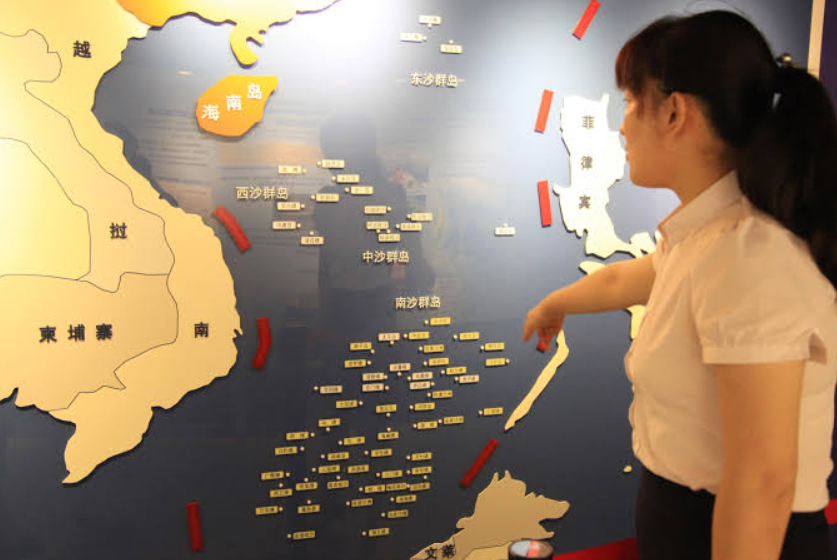
For Southeast Asia, the implications deserve careful attention. The region remains central to an evolving security landscape, with the South China Sea continuing to be one of the world’s most contested maritime flashpoints.
China’s expansive claims under the Nine-Dash Line overlap with the exclusive economic zones of several ASEAN member states, including Malaysia, Vietnam, the Philippines and Brunei.
In response, Malaysia has consistently advocated peaceful dispute resolution, adherence to the United Nations Convention on the Law of the Sea (UNCLOS), and the early conclusion of an effective ASEAN-China Code of Conduct.
The concern is not that PACOM’s restoration changes American military policy overnight. The Pentagon has stated that the command’s mission and regional commitments remain unchanged, while US alliances and security partnerships across the Asia-Pacific continue to operate as before.
The more important question is whether the move signals a broader recalibration of Washington’s strategic outlook.
If the emphasis on the Indo-Pacific concept weakens over time, ASEAN could find itself increasingly exposed to intensifying competition between the United States and China.
This would place greater pressure on regional states to preserve ASEAN centrality while avoiding strategic polarisation.
The development also raises questions about the future trajectory of the QUAD. Since its revival in 2017, the grouping has expanded beyond traditional security concerns to include cooperation in areas such as maritime security, critical technologies, supply chain resilience and cybersecurity.
The PACOM rebranding alone is unlikely to diminish the QUAD’s relevance. Its institutional foundations are considerably stronger today than they were a decade ago, supported by shared concerns over regional stability and maritime security.
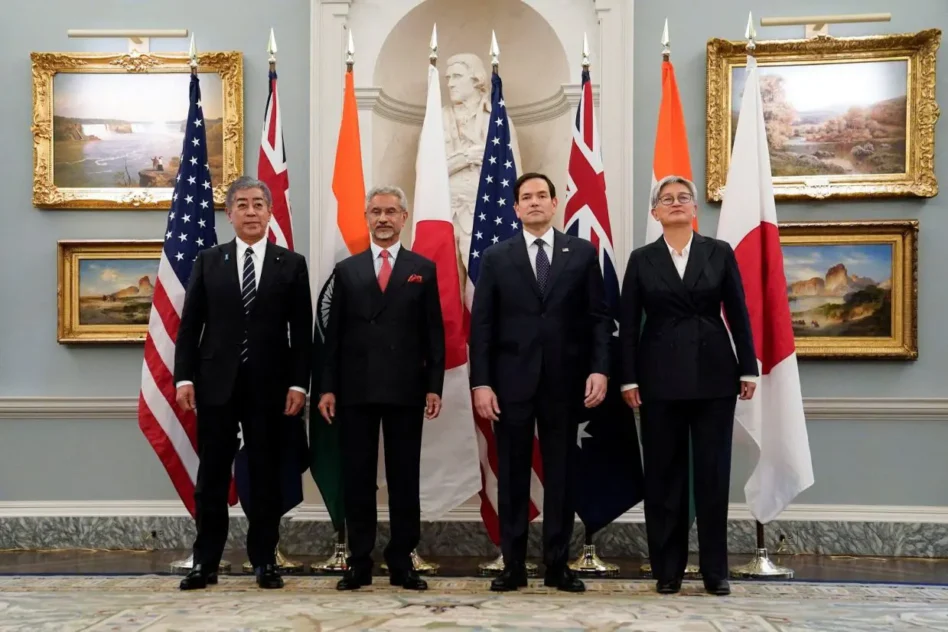
However, if the name change reflects a broader reduction in Washington’s emphasis on India, questions about the grouping’s long-term direction may inevitably emerge.
For ASEAN, this presents both challenges and opportunities. A less India-focused American strategy could increase ASEAN’s geopolitical significance as the region’s diplomatic and economic crossroads.
At the same time, any weakening of strategic balancing mechanisms could complicate efforts to manage growing regional tensions.
Malaysia should therefore continue strengthening its maritime domain awareness, defence capabilities and regional security partnerships
ASEAN, meanwhile, must work towards a more coherent position on the South China Sea while deepening practical cooperation among member states and external partners.
Ultimately, the restoration of PACOM serves as a reminder that geopolitical strategies and narratives are constantly evolving.
For Malaysia and ASEAN, long-term security cannot depend solely on the policies of external powers. A resilient ASEAN, supported by strong regional cooperation and a commitment to international law, remains the best foundation for peace and stability in an increasingly uncertain environment.
R Paneir Selvam is Principal Consultant at Arunachala Research & Consultancy Sdn Bhd (ARRESCON), a think tank specialising in strategic and geopolitical analysis.
The views expressed are solely of the author and do not necessarily reflect those of MMKtT.
- Focus Malaysia.

No comments:
Post a Comment
Note: Only a member of this blog may post a comment.