


PARLIAMENT | Only new pig farms with at least 2,000 pigs are subject to mandatory environmental impact assessments (EIAs), the Dewan Rakyat was told today.
Deputy Natural Resources and Environmental Sustainability Minister Syed Ibrahim Syed Noh said the former pig farms in Tanjung Sepat, Selangor, were therefore exempt from the requirement as they had been operating before the EIA Order 2015 took effect.
“However, approval of an EIA report does not constitute approval for a development project. It merely confirms that environmental protection requirements under the Environmental Quality Act 1974 have been assessed and met.
“The final approval remains subject to the relevant approving authorities and other applicable laws,” he said.
The clarification came in response to Ahmad Yunus Hairi (PN-Kuala Langat), who sought details on enforcement measures against traditional pig farmers in Tanjung Sepat responsible for pollution and nuisance.
Syed Ibrahim (above) added that pig farming in Selangor is governed under the Selangor Pig Farming Enactment 1991, with the state Veterinary Services Department responsible for regulating the industry.
This includes issuing licences, enforcing compliance, establishing modern pig farming guidelines, and environmental protection requirements.
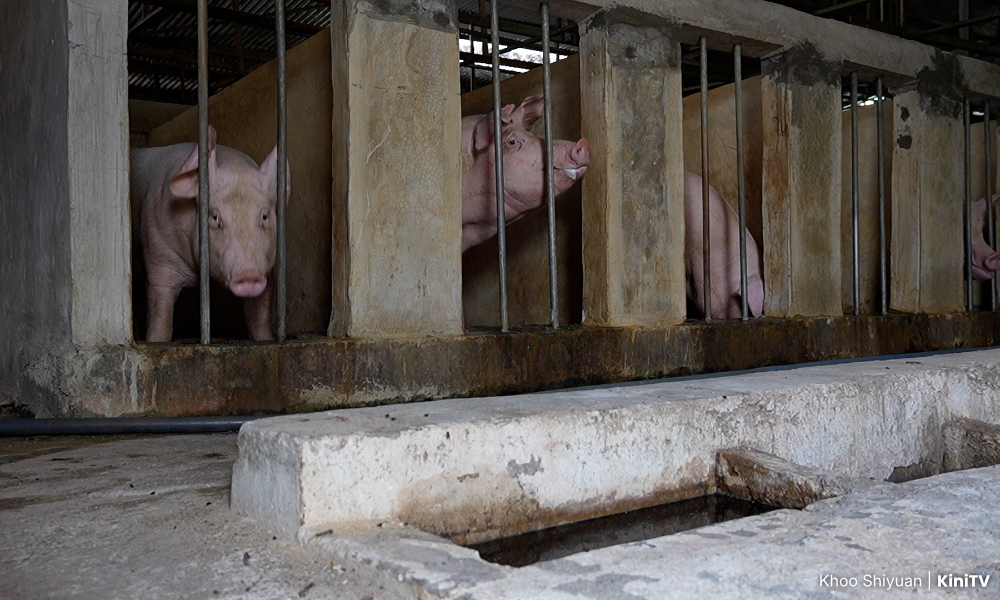
He said that operators who fail to comply with licence conditions or are found to have caused pollution or public nuisance may face action by the state authorities under existing laws.
Dealing with complaints
Clarifying the federal government’s role, Syed Ibrahim said that pig farming is not specifically regulated under the Environmental Quality Act 1974, but the ministry, through the Environment Department (DOE), views matters of pollution seriously.
“The DOE always treats every complaint regarding environmental pollution seriously by conducting investigations and coordinating further actions with relevant authorities in accordance with their respective jurisdictions.
“The DOE will also collaborate with all relevant agencies to conduct field inspections based on intelligence or pollution complaints, particularly when the source of pollution has not yet been identified,” he said.
The deputy minister also said that his ministry would continue working with the Selangor government where pollution complaints arise, including through joint enforcement operations, targeted inspections in high-risk areas, and river water quality monitoring.
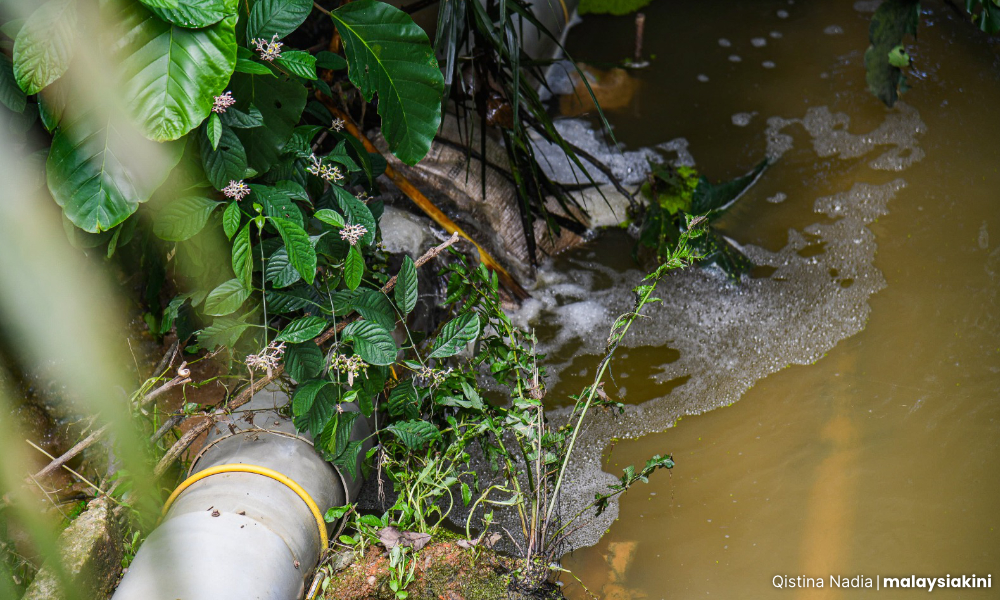
He added that the government supports a transition towards modern livestock farming as well as reviewing existing laws, to ensure the industry can continue operating without compromising environmental sustainability.
“Enforcement action must be carried out firmly in accordance with the law and must be supported by evidence and scientific assessment,” Syed Ibrahim said. - Mkini

No comments:
Post a Comment
Note: Only a member of this blog may post a comment.