


Anti-graft group C4 also calls for competitive procurement as the default, and cooling-off periods for senior officials before they join defence firms.
Lam Choong Wah of Universiti Malaya said such scrutiny would be a simple yet concrete step towards greater control over defence purchases and “give more bite to the system” as well as deter corruption as a whole.
While defence procurements were protected under the Official Secrets Act, audit and parliamentary officials would know the boundaries as they look into these high-value contracts, Lam said.
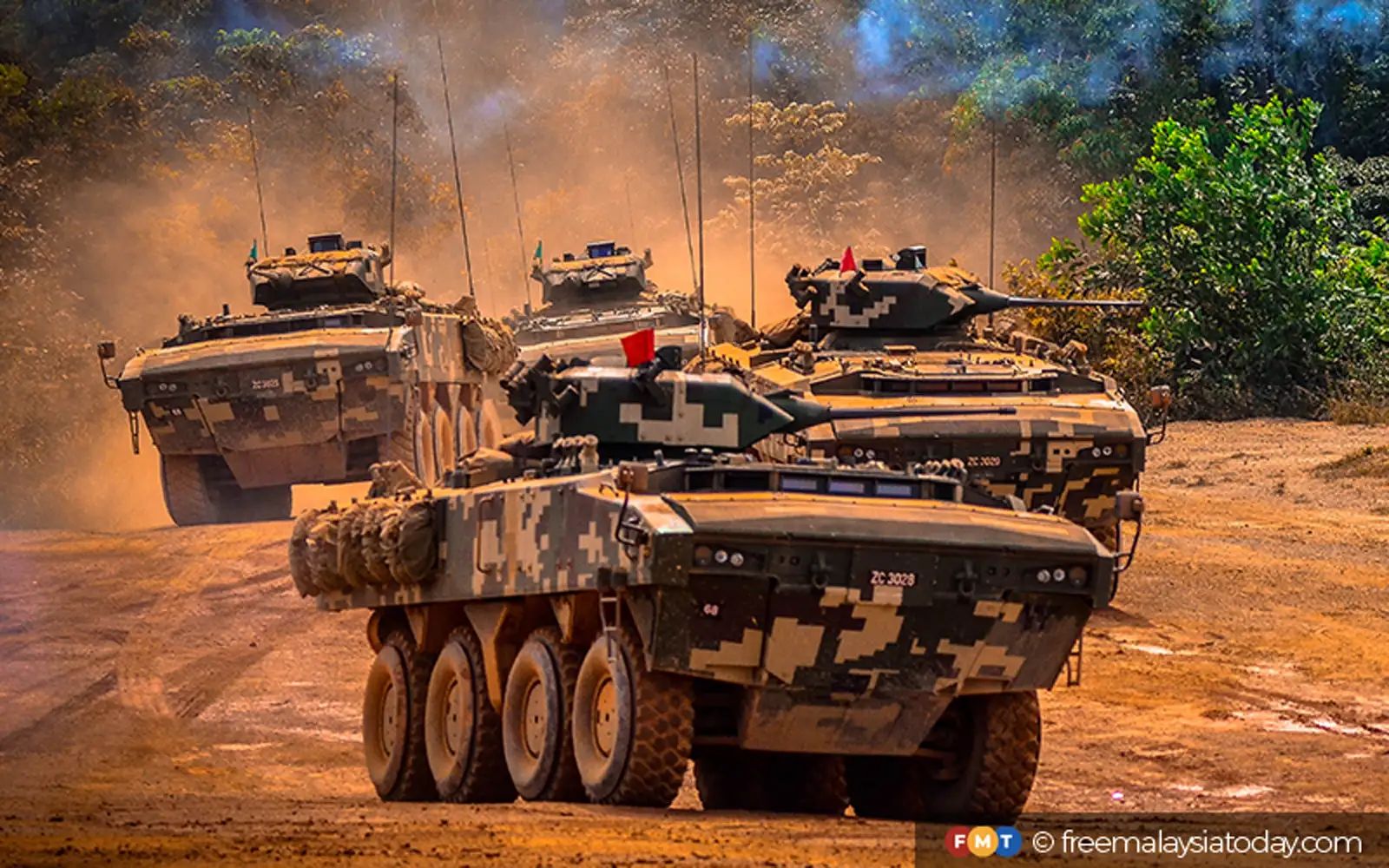
He said an army purchase of eight-wheeled Gempita multirole armoured vehicles came under audit by the national audit department only in 2025, some 13 years after the contract was signed.
“This is way too late to prevent any misconduct,” he said, referring to a report by the auditor-general which revealed that the defence ministry paid RM7.5 billion for the procurement of 70 vehicles.

Lam’s proposal was made in light of a continuing investigation into an alleged army tender cartel, which has resulted in the arrest of two senior military officials, including a former army chief. The Malaysian Anti-Corruption Commission has said the agency will propose charging several senior officers following its probe.
Cut out middlemen, says C4
Competitive procurement should be made the default in defence purchases, with direct talks only allowed in clearly defined and reviewable cases, says Pushpan Murugiah, CEO of the Centre to Combat Corruption and Cronyism (C4).
He said independent audits should also be made mandatory for major contracts.
“Cut out middlemen and agents who can drive up costs, introduce cooling-off periods for senior defence officials before they join defence companies, and provide stronger protection for whistleblowers.” he said.

Pushpan said past defence scandals in Malaysia and also abroad had led to inflated costs, poor-quality equipment, and weakened operational capability.
On the defence ministry’s plan to set up an independent integrity and trust board to handle complaints, the C4 chief said if this panel was narrow by design it risked being more reactive than preventive.
“To give such a body real impact, it must go beyond responding to complaints and be empowered to prevent corruption before it occurs.” he said.
He said corruption in defence procurement was often collusive, transnational, hidden behind layers of confidentiality, and unlikely to surface through complaints alone.
Pushpan proposed giving the board investigative powers, enforcement authority and guarantees of independence to ensure corruption can be curbed effectively. - FMT

No comments:
Post a Comment
Note: Only a member of this blog may post a comment.