


Former attorney-general Tommy Thomas has called on Putrajaya to exit from its reciprocal trade deal with the United States, after the country's Supreme Court struck down President Donald Trump's far-reaching global tariffs on Friday.
In a statement to Malaysiakini, Thomas (above) said the US Supreme Court's decision is welcomed, and unsurprising from a legal perspective.
"I had criticised this lopsided agreement that our government had entered into with Trump, in a commentary on Nov 20, 2025.
"I suggested that since the agreement was against our interests, we should not proceed with it, which was our right.
“The Supreme Court ruling means that Trump’s decision to impose tariffs on goods imported from Malaysia is illegal. It gives a further reason for us to withdraw.
"Accordingly, I urge the government to withdraw from the agreement, whether under Article 7.2 or 7.5, and to do so as soon as possible," Thomas added.
Articles 7.2 and 7.5 of the Malaysia–United States Agreement on Reciprocal Trade (ART) respectively address the agreement's entry into force and the right of either party to withdraw from it.
Under Article 7.2, the agreement takes effect 60 days after both parties exchange written notifications confirming that their respective domestic legal and procedural requirements have been met. This means neither Malaysia nor the US is formally bound until both sides have fulfilled their internal obligations and duly notified each other.
Article 7.5, meanwhile, preserves the right of either party to terminate the agreement unilaterally at any time by serving written notification upon the other, with termination taking effect 180 days thereafter.
Deal courted brickbats
In October 2025, Malaysia signed the agreement with the US in a bid to avoid a blanket 25 percent tariff on Malaysian goods, securing a reduced rate of 19 percent in its place.
However, the agreement obliges local government-linked companies to procure American products and aligns domestic regulations more closely with those of the US.
The deal drew considerable criticism, with detractors pointing to its limited tangible benefits, the absence of parliamentary scrutiny, and concerns over its implications for national sovereignty.
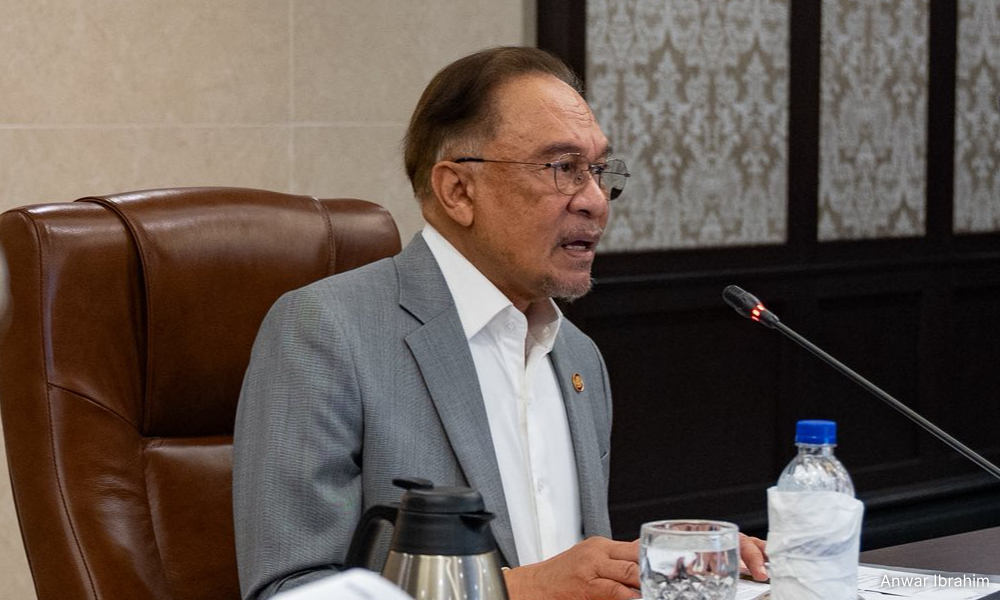
This is despite Prime Minister Anwar Ibrahim-who is also finance minister- having on multiple occasions, including in the Dewan Rakyat, reassured critics that Malaysia has not compromised its stance on key areas of national interest, including trade policies and the halal industry.
Last month, five Perikatan Nasional MPs had filed an originating summons at the Kuala Lumpur High Court on Jan 19 to challenge the agreement, as they deemed it unconstitutional, null, and void.
Court documents sighted by Malaysiakini showed that the MPs had named Anwar, the attorney-general, and the government as the first to third defendants.
The MPs - namely Rosol Wahid (Hulu Terengganu), Fathul Huzir Ayob (Gerik), Awang Hashim (Pendang), Mas Ermieyati Samsudin (Masjid Tanah), and Abdul Khalib Abdullah (Rompin) - had filed their suit via Messrs Karthig Shan.
In the application, the MPs seek several court declarations, including that Anwar lacked the constitutional authority to bind the federation to the trade deal.
MPs claimed that fellow lawmakers were being kept in the dark about the agreement's full terms because Parliament has not tabled, debated, or approved it.
On Jan 26, Bersatu’s Fathul also questioned whether Anwar had bypassed his responsibility to Parliament by signing the Malaysia-US agreement.
During his debate on the king’s royal address in the Dewan Rakyat, Fathul said he based this on Article 43(3) of the Federal Constitution, which imposes on the cabinet a collective responsibility to Parliament.
Trump strikes back
In a landmark ruling handed down yesterday, the US Supreme Court, in a majority of six to three, ruled that Trump had exceeded his constitutional authority by imposing sweeping tariffs under the International Emergency Economic Powers Act of 1977, a statute specifically reserved for use in genuine national emergencies.
After the ruling, a furious Trump swiftly imposed a new 10 percent global tariff to replace the ones struck down, calling the ruling "terrible" and lambasting the judges who rejected his trade policy as "fools", the BBC reported.
The judgment handed down by the court proved a landmark win for the businesses and US states that had taken legal action against the levies, potentially paving the way for billions of dollars in refunds.
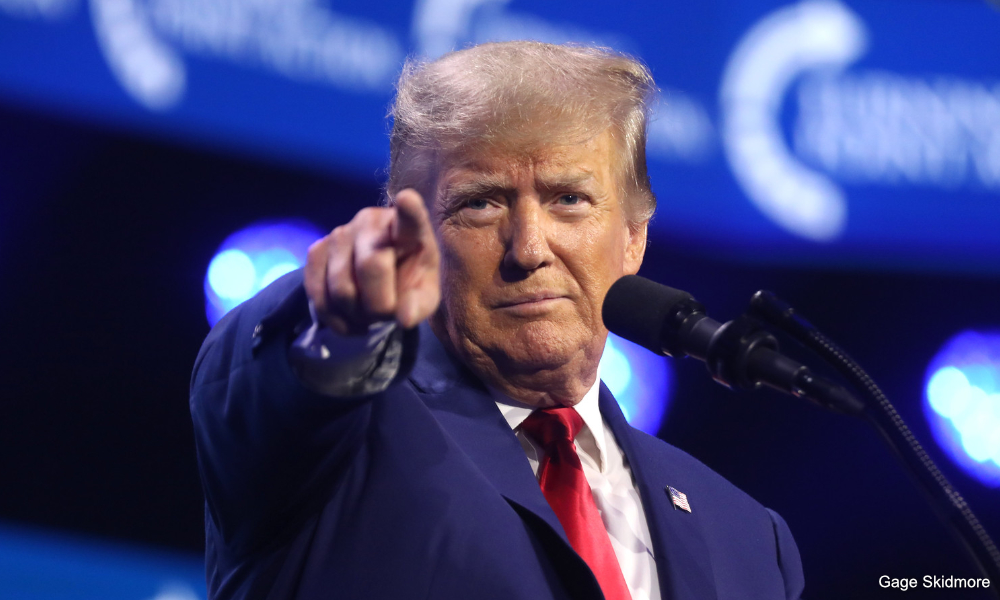
Trump, however, reportedly made clear that any refunds would not be forthcoming without a protracted legal fight, indicating he expected the matter to remain entangled in the courts for years to come.
The BBC reported that Trump has also signalled his intention to invoke alternative legislation to press ahead with his tariff agenda, which he has long maintained serves to encourage investment and manufacturing on American soil. - Mkini

No comments:
Post a Comment
Note: Only a member of this blog may post a comment.