


I get it. Designing an education system for millions of people is hard. It’s not like making a cup of Nescafé 3-in-1.
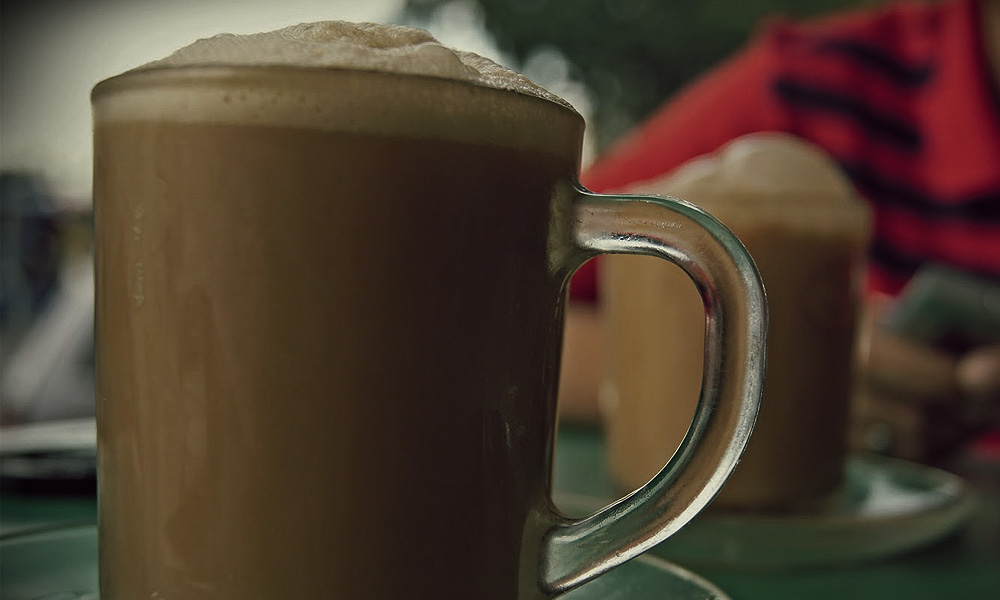
It’s more like trying to make good teh tarik, where you boil tea leaves, strain the water out, put it in a stainless steel tumbler, and throw it from the tumbler into a glass and back several times to come up with the perfect blend of tea and foam.
Lately, with three school-going kids in my household, I’ve been looking at our classrooms and thinking that maybe we’re trying to control it a bit too much.
I was scrolling through the news, and the vibe from people in the education field is that teachers’ hands are tied. Although we’ve gotten rid of the big, scary exams like the UPSR and PMR, we’ve replaced them with a system that has teachers doing more data entry than ever.
There is also that really important and always mentioned SEO keyword - “holistic”. We want kids who are empathetic, creative, and resilient. It’s a really idealistic wish.
But the funny thing about being holistic is that it can be very difficult to evaluate, especially with a structured and formal rubric.
As National Union of the Teaching Profession (NUTP)’s Fouzi Singon and Parent Action Group for Education (Page)’s Noor Azimah Abdul Rahim pointed out in a recent news report, there is a massive lack of professional autonomy. Basically, the system doesn’t seem to trust teachers to just teach.
When a teacher has to provide evidence at every single “Tahap Penguasaan” (Mastery Level or TP), they aren’t teaching anymore. What they’re doing is actually auditing and reporting. We’re asking them to prove they’re doing their job so much that they don’t actually have time to do the job.
But I do understand the complexity and challenge in this. Parents and students need to know how they are doing and also how they are being evaluated, even if it is subjectively. That’s why the TP rubric has been designed.
However, let’s be brutally honest for a bit. If we need to have such a clear rubric to be transparent, are the rubrics actually designed properly to work in such a subjective manner? And if we’re going to give teachers total autonomy, are they actually trained for it?
Terrifying assessments
It’s one thing to tell a teacher to be creative when they teach, but it’s another thing to actually give them the tools, resources, and know-how to do it. Many of our teachers were raised and trained in the era where the teacher spoke, and the students just listened.
Suddenly, teachers are now asked to be psychologists, data analysts, nannies, and creative directors. Maybe the teachers’ training needs to be updated and redeveloped as well.
If we don’t invest in making sure teachers actually know how to assess a child’s character, we’re just setting them up to fail.
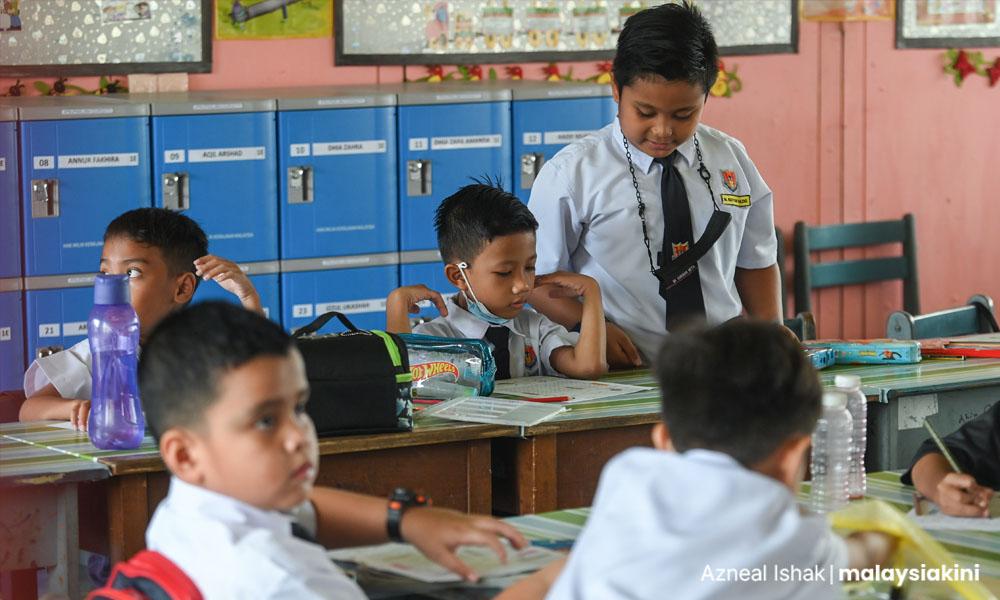
Noor Azimah made a strong point that when we tether teachers to these rigid, comparison-driven assessments, we accidentally teach our kids to be terrified. They are terrified to explore and make mistakes because they have to get everything right all the time.
If a teacher doesn’t have the freedom to let a child fail, mess up, and try again without it affecting their score or evaluation, the child stops being curious. Holistic education needs room for the visual thinkers, the daydreamers, and definitely the slow-burners.
But when a teacher is rushed to meet a reporting deadline or to follow a strict rubric, those are the children who will always fall through the cracks and get neglected. This is sad and unfair to these children because their intelligence, talent, and potential are ignored.
Holistic training for educators
I truly believe that we all want the same thing, which is a generation of Malaysians who are smart, kind, and capable. We don’t need to be aggressive and fight about it, but something definitely needs to happen to make our teachers and education system professional again.
If we want holistic results for our children, we need to provide a holistic training and environment for the educators as well. We need to:
Trust the experts- the teachers! If a teacher says a student gets it, believe them. We don’t need a timestamped selfie with metadata as proof.
Provide real training for them and not just briefings. Give them the actual skills to manage a student-centred classroom.
Remove red tape and bureaucracy. If the system is crashing, maybe the system is the problem, not the pedagogy.
Let’s treat our teachers like the masters of their craft. If we untie their hands and actually give them the right support, they might just lead our children to somewhere great. We just need to have a little less script and a little bit more soul to the teaching.
Although I am not a primary or secondary school teacher, I do teach undergraduate students, and what I have realised is that the best lessons usually happen when we stop focusing on the rubrics and marks and start paying attention to the student. - Mkini
ZAN AZLEE is a writer, documentary filmmaker, journalist, and academic. Visit fatbidin.com to view his work.
The views expressed here are those of the author/contributor and do not necessarily represent the views of MMKtT.

No comments:
Post a Comment
Note: Only a member of this blog may post a comment.