


Malaysia’s Royal Malaysian Navy littoral combat ships (LCS) project has run into yet another problem after Norway was reported to have cancelled the delivery of naval strike missiles (NSM) - anti-ship and land-attack missiles - as part of tighter controls on advanced weapons exports.
This has raised questions about possible shifts in Oslo’s defence policy toward countries outside the North Atlantic Treaty Organization.
According to the defence news portal Malaysian Defence, sources said Norway decided to block the missile shipment without prior consultation or notification to Malaysia.
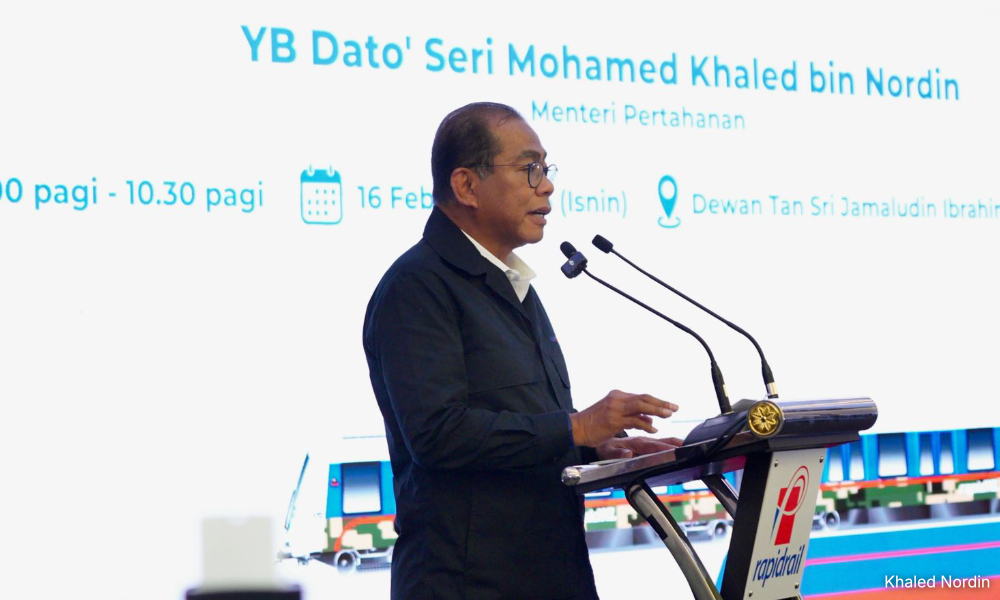
Defence Minister Khaled Nordin later confirmed he was informed of the restriction while attending the DSA 2026 exhibition in April.
Khaled said Malaysia would use diplomatic channels with Norway to seek clarification and discuss appropriate next steps.
However, the Norwegian government has yet to issue an official statement naming Malaysia as a country subject to the export restriction.
Instead, Norway’s Foreign Ministry said in an email reply to Malaysian Defence on May 5 that authorities had “revoked several export licences related to certain technologies” following tighter controls on strategic technologies.
It did not specify which technologies were involved or why the decision was made at the last minute.
What is Norway’s policy on arms exports?
A Malaysiakini review of official Norwegian government documents on Regjeringen.no shows the country has long maintained strict laws on arms and defence technology exports.
Norway’s 1987 Strategic Export Control Act gives the government authority to prohibit exports of technology or products that could enhance a country’s military capabilities without special permits.
The law also allows the government to:
- revoke export licences
- restrict weapons shipments
- review approvals if political or security conditions change
Under updated export regulations in September 2025, licences can be suspended, cancelled or limited if:
- new information emerges
- political conditions change
- the recipient country’s situation affects the basis of the original approval
The rules also expand Norway’s authority to determine whether a weapons export can proceed.
The law states exports can be blocked if the technology is deemed capable of strengthening a country’s military in ways not aligned with Norway’s core security and defence interests.
At the same time, exemptions are typically granted to Nato and European Economic Area countries, particularly for technology transfers and defence cooperation.
This explains why most NSM users are Nato members or close Western allies such as the United States, Germany, the United Kingdom, Poland, Denmark, Canada, Australia, Japan and Spain.
2018 contract
Malaysia is reportedly the only major NSM buyer outside that group, with a contract signed in 2018.
That year, Malaysia signed a deal with Kongsberg Defence & Aerospace to supply NSM missiles for five TLDM LCS vessels.
The missile was selected for its long-range strike capability, radar-evading features and compatibility with modern combat systems.

In August 2025, Prime Minister Anwar Ibrahim told Parliament that the navy would receive 48 NSM for the project.
The Defence Ministry had previously said deliveries were expected to begin around March this year.
However, just days before the scheduled shipment, Malaysia was informed that Norway had cancelled the export licence.
According to Malaysian Defence, Defence Ministry secretary-general Lokman Hakim Ali said Norwegian officials told them Kongsberg invoked a “force majeure” clause because it no longer had the legal right to deliver the missiles.
He said Norwegian authorities explained that new laws now prohibit the export of advanced weapons to non-Nato countries except close allies.
This meant Kongsberg could not proceed with the contract despite it being signed eight years ago.
Lokman added that even Kongsberg representatives were only notified of the restriction on the same day and had no further details.
Why is this considered unusual?
Arms export bans are typically imposed when a country is at war, under international sanctions, or facing internal conflict.
Malaysia does not fall into any of these categories.
Malaysian Defence described Norway’s move to cancel delivery to a non-conflict country as unprecedented in Malaysia’s defence procurement history.
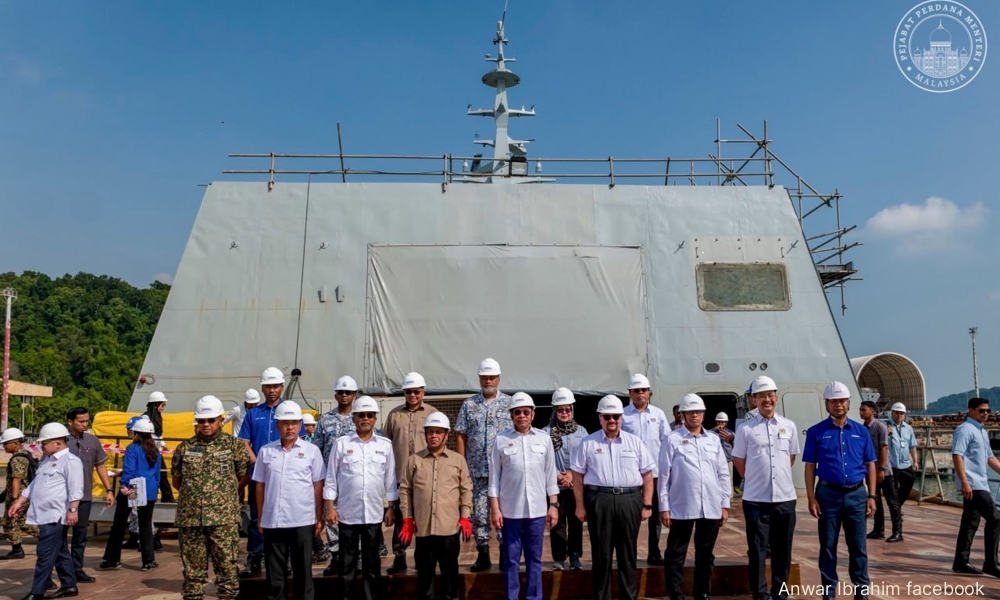
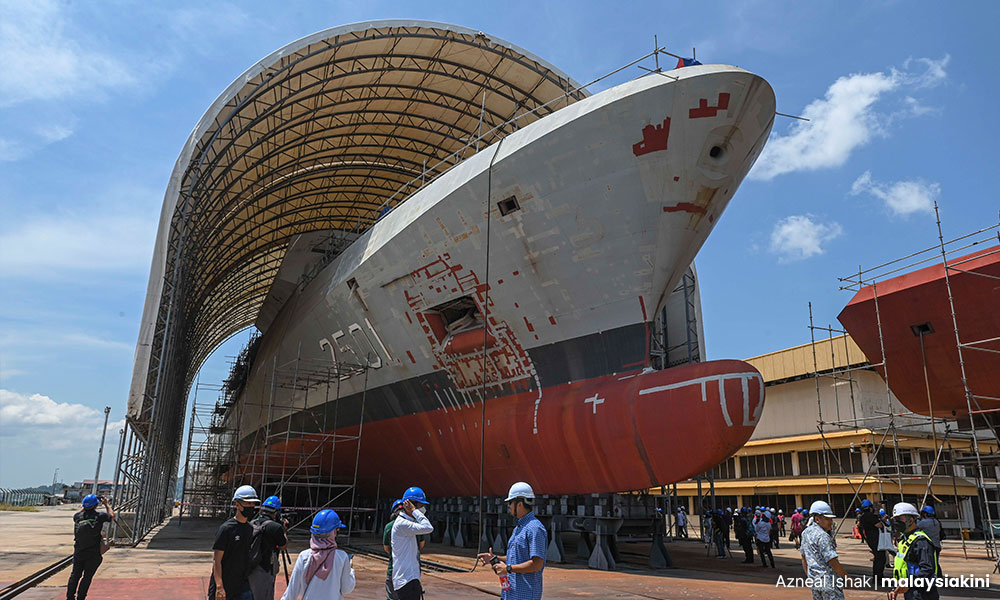
The development is particularly concerning as the LCS project has already faced long delays due to construction setbacks, management issues and rising costs.
Originally awarded in 2011 for six ships worth about RM6 billion, the project was later revised in 2023 to five vessels.
The first ship, initially scheduled for delivery in August this year, has been postponed to December due to delays in equipment delivery and technical rectifications.
Each of the five Maharaja Lela-class LCS vessels is supposed to be equipped with eight such missiles for long-range naval and land-attack capabilities.
Without the NSM, the navy may now have to look for alternative missile systems to ensure the LCS fleet’s combat readiness is not compromised.
- Mkini

No comments:
Post a Comment
Note: Only a member of this blog may post a comment.