


Deputy Finance Minister Liew Chin Tong said the government expects to spend nearly RM40 billion on petroleum subsidies this year if current oil prices persist, subject to the West Asia conflict.
He said monthly spending on RON95 and diesel subsidies rose from about RM800 million in January and February to around RM5 billion in March and April before easing to RM4 billion in May and June as oil prices moderated.
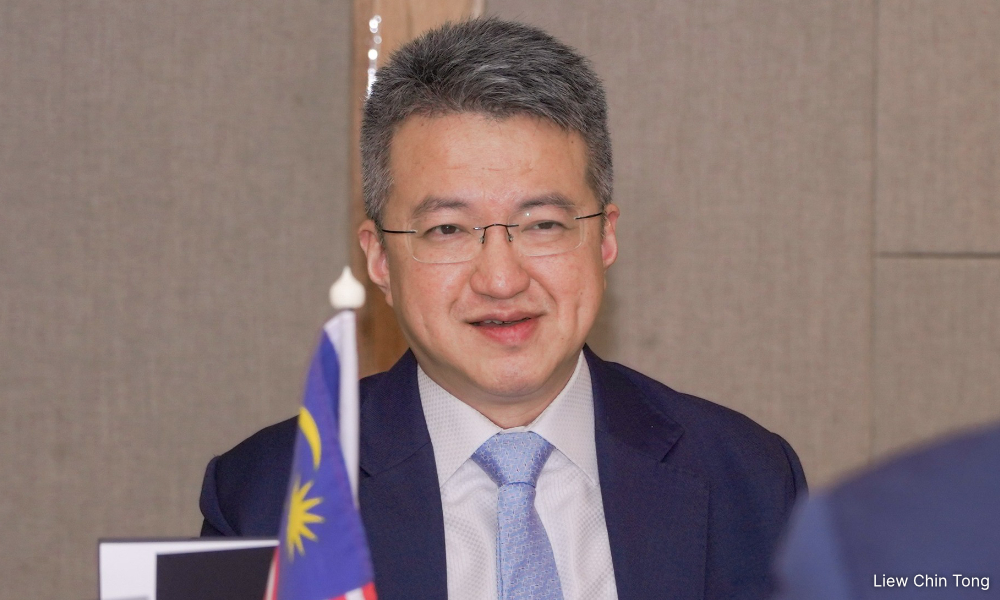
Deputy Finance Minister Liew Chin Tong Although higher crude oil prices increase subsidy spending, they may also boost government revenue, Liew added. Every US$1 per barrel increase is estimated to add about RM350 million to federal petroleum-related revenue, excluding Petronas dividends.
Liew said the fact that Malaysians still get stuck in traffic jams shows that the government managed to ensure a stable supply of petrol despite the West Asia conflict, adding that the government will not be reducing fuel subsidies.
He was replying to a supplementary question from Sany Hamzan (Harapan-Hulu Langat), who asked whether the government planned to scale back other forms of assistance, including food subsidies, the STR and Sara cash aid programmes, or school aid, in light of the projected increase in fuel subsidy costs this year.
Deputy Energy Transition and Water Transformation Minister Abdul Rahman Mohamad said Putrajaya will consider a nuclear power plant if necessary conditions are fulfilled, including the safety of the technology and its benefits to the country.
Stressing diversification of power sources, he told the Dewan Rakyat today that Putrajaya’s priority is existing renewable energy sources, such as solar, bioenergy, biogas, and hydropower.
Commenting on reports that France has offered its nuclear expertise, Rahman said he was “surprised” by articles that claimed Malaysia had responded with interest.
“In fact, no - we are still at the study stage,” he said. - Mkini

No comments:
Post a Comment
Note: Only a member of this blog may post a comment.