


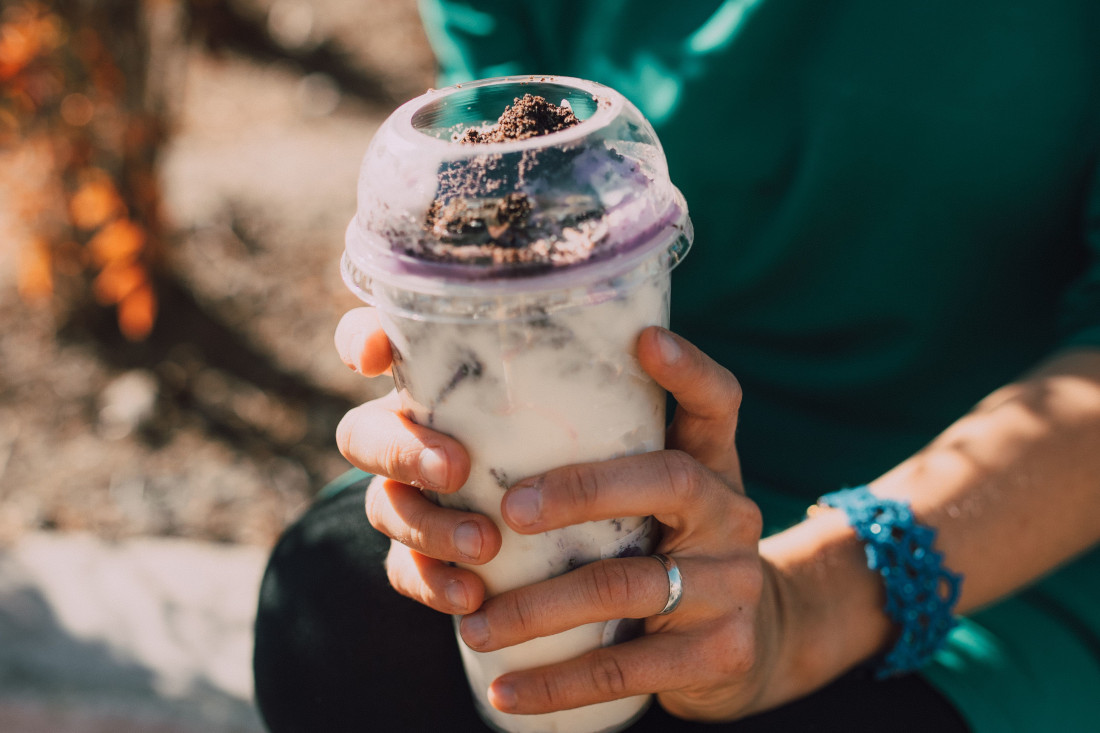
WHY do people still queue for premium coffee, buy a new lipstick or treat themselves to a nice meal when everyone seems to be talking about rising living costs?
At first glance, it appears contradictory. If money is tight, shouldn’t people cut back on non-essential spending altogether?
Behavioural economists have long observed a phenomenon known as the Lipstick Effect. During periods of economic uncertainty, consumers often postpone expensive purchases while continuing to spend on small, affordable luxuries.
Instead of buying a new car, they might buy a lipstick. Instead of booking an overseas holiday, they may enjoy a specialty coffee or a nice dinner.
The concept is less about lipstick than about human behaviour.
The term gained prominence after Leonard Lauder, former chairman of Estée Lauder, observed that lipstick sales remained resilient during economic downturns.
His explanation was straightforward: when people cannot afford major luxuries, they often seek smaller rewards that provide comfort, confidence or enjoyment.
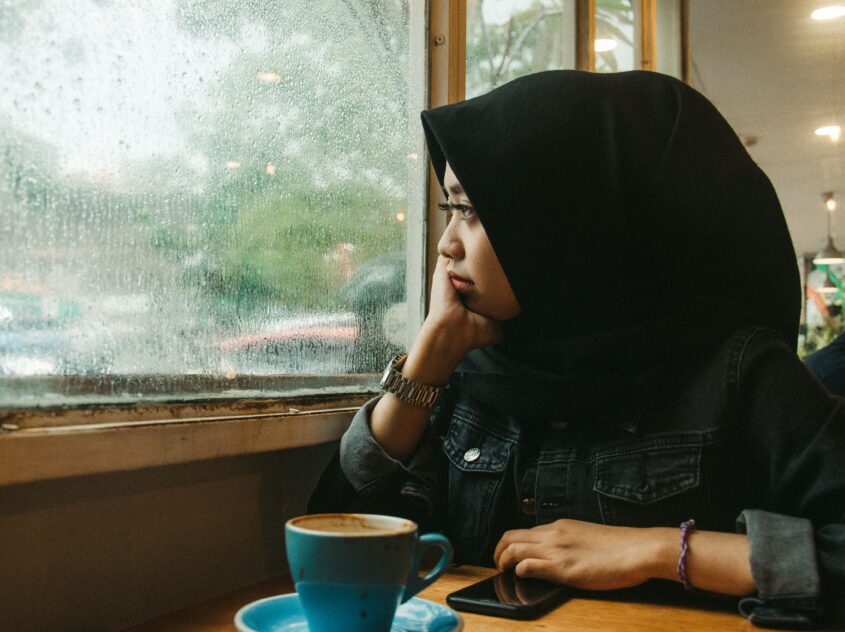
Consider a young professional navigating today’s economic realities. Rent has increased. Groceries cost more than they did a few years ago. Home ownership feels increasingly out of reach, while savings goals seem to drift further away.
Yet on Friday afternoon, they buy an RM15 coffee.
Some might question the decision. If money is tight, why spend on coffee?
The answer may be that the coffee is about far more than the drink itself. It represents a brief moment of relief after a stressful week, an opportunity to catch up with a friend, or a small reward that makes daily life feel more manageable.
This is where economics meets psychology.
Traditional economic theory often assumes people make decisions based purely on financial calculations. Real life is more complex. We seek not only efficiency, but also comfort, dignity and emotional wellbeing. Small luxuries can satisfy those needs.
This does not mean every discretionary purchase is financially wise. Rather, it reminds us that spending decisions are influenced by emotions as much as by numbers.
The Lipstick Effect also reflects a broader reality.
Many people appear financially stable because they have jobs and regular incomes. Yet beneath the surface, they may worry about housing affordability, job security, retirement savings or future opportunities.
In that environment, small indulgences can provide a sense of control when larger goals seem increasingly distant.
Today, the Lipstick Effect extends far beyond cosmetics. For some, it is skincare. For others, it may be food delivery, streaming subscriptions, café visits or a new book.
The specific purchase matters less than the role it plays: offering a manageable moment of happiness.

This is particularly relevant when discussing Millennials and Generation Z. Younger consumers are often criticised for spending on coffee, experiences and lifestyle products instead of saving for major milestones.
However, such criticism overlooks an important reality. For many young adults, home ownership, financial security and comfortable retirement have become significantly harder to attain.
When major aspirations feel increasingly distant, smaller pleasures naturally become more meaningful.
An RM15 coffee will not solve housing affordability.
A new lipstick will not eliminate economic uncertainty.
But neither purchase was ever intended to.
The Lipstick Effect reminds us that people are not simply trying to maximise wealth. They are also trying to maintain their wellbeing.
Perhaps that is why the idea remains so relevant today. Even during difficult times, people continue searching for moments of joy, not because they are irresponsible, but because small comforts help preserve a sense of normality in an uncertain world.
Sometimes, the smallest treats reveal the biggest truths about how people cope with economic uncertainty.
The author is a Research Fellow Post Doctorate at the Ungku Aziz Centre for Development Studies (UAC), Universiti Malaya.
The views expressed are solely of the author and do not necessarily reflect those of MMKtT.
- Focus Malaysia

No comments:
Post a Comment
Note: Only a member of this blog may post a comment.