


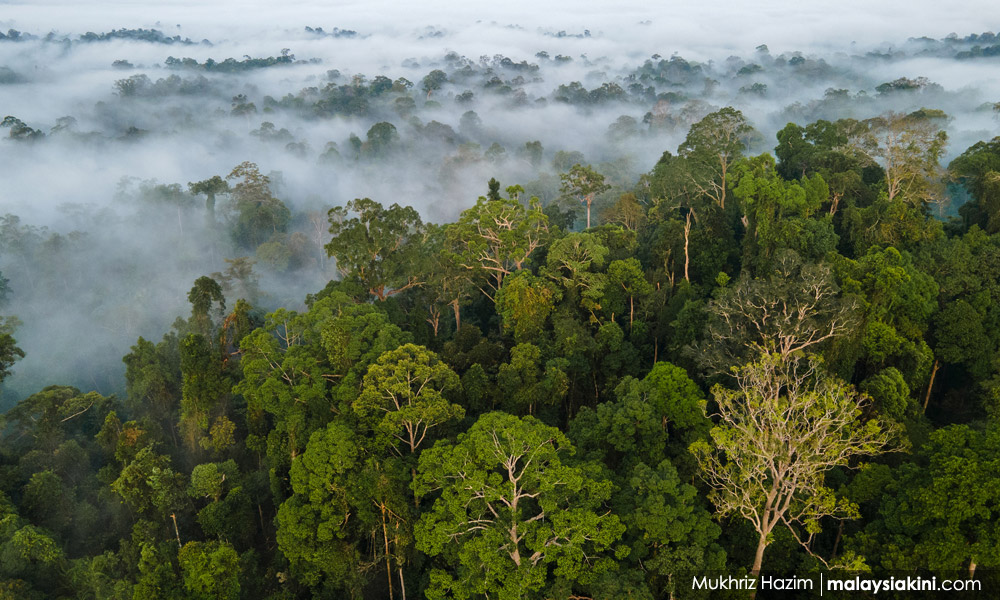
Pahang has become the fourth state to reject two requirements under the National Forestry (Amendment) Act 2022 aimed at protecting permanent forest reserves.
The requirements under Sections 11 and 12 would respectively compel state authorities to hold a public inquiry before excising any land from a permanent forest reserve and gazetting replacement land of equal or greater size.
At the Pahang state assembly sitting yesterday, lawmakers passed the bill enacting the federal law in the state’s forestry legislation without both provisions.
The other three states to have acted similarly are Kelantan, Negeri Sembilan, and Perak.
According to the Forestry Department’s 2024 statistics, these four states comprise 69.3 percent of gazetted forest reserves on the peninsula.
Meanwhile, Perlis, Malacca, and the Federal Territories have adopted both provisions, while Selangor requires a public inquiry but not the replacement of land.
Terengganu, Kedah, and Johor have yet to decide whether to adopt the provisions.
According to a livestream of the Pahang assembly sitting yesterday morning, the enactment was passed in about 10 minutes.
However, the process could have taken longer as the video, shared by the Pahang Media TV YouTube channel, appeared choppy and cut out at several points.
Bill readings
During his speech at the second reading, Pahang Menteri Besar Wan Rosdy Wan Ismail claimed that the federal guidelines sometimes feel like an attempt to “grip” or strongly restrict the few states that succeeded in conserving their forest resources.
While the federal government recommends states maintain a minimum forest reserve of at least 50 percent of their land area, he said Pahang vastly exceeds this benchmark with 57.7 percent.
However, the 57.7 percent figure likely refers to forested area rather than permanent forest reserves.
A 2024 written parliamentary response from the Natural Resources and Environmental Sustainability Ministry put Pahang’s forested area at 2.016 million hectares, or 55.79 percent of the state’s total land area.
The ministry’s definition includes permanent forest reserves, government forest land, national and state parks, wildlife sanctuaries, and other forested areas.

Wan Rosdy also pointedly remarked that other states have “exhausted” their forests, leaving them with single-digit percentages of forest land.
“The state government feels that we should continue what we are doing and accept the (enactment) except for Sections 7 and 8,” he said, referring to the provisions that correspond to Sections 11 and 12 in the federal law.
He explained that even before the federal Act was passed, Pahang had already implemented strict state-level rules, such as the need for designated areas for every logging licence issued.
He was responding to PAS’ Cheka assemblyperson Tuan Ibrahim Tuan Man, who questioned the bill’s implications for forest reserves.
The bill appeared to have been passed after its second and third readings via voice vote without debate.
Other states
In 2023, Perlis enacted Sections 11 and 12 in their entirety, with Malacca following suit this year.
Last year, the Federal Territories adopted both sections as well, but added detailed public inquiry rules along with strict processes for objections.
Selangor enacted its own public hearing requirement much earlier in 2011, preventing forest excision without an inquiry.
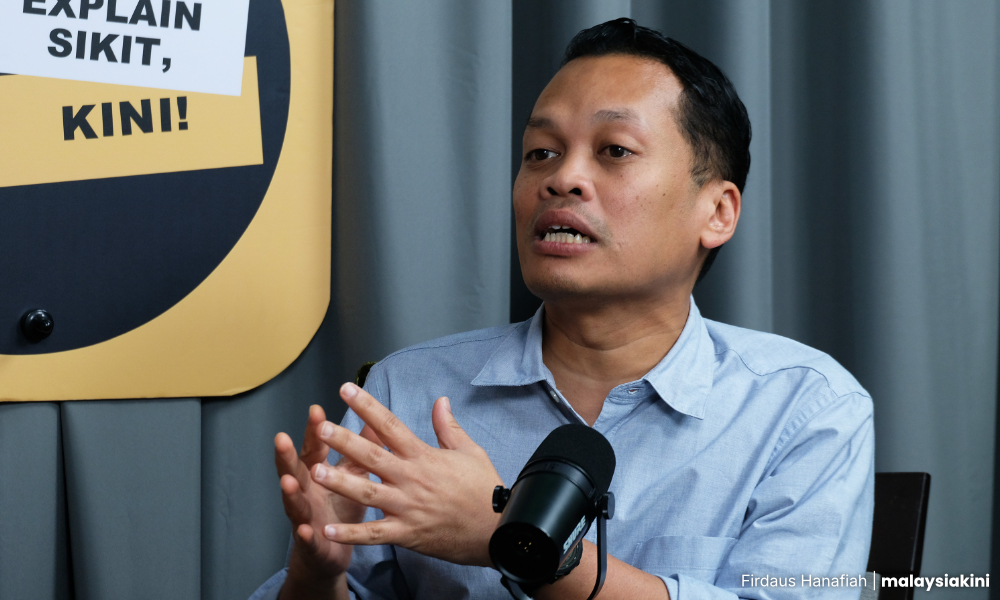
In 2024, then natural resources and environmental sustainability minister Nik Nazmi Nik Ahmad urged all state governments to enact the public inquiry procedures into their own forestry laws.
However, Kelantan and Negeri Sembilan rejected the provision last year. Perak made a similar move earlier this year.
The amendments to the National Forestry Act were passed in the Dewan Rakyat on July 18, 2022.
Besides the imposition of mandatory public inquiries and replacement land, the legislation increased fines and penalties for various violations, including illegal logging, taking protected plants, trespassing, littering, illegal grazing, and using fire.
It also inserted new criminal offences for obstructing enforcement officers, false declarations, and attempting to commit a forest offence or abetting one.
The amendments further strengthened enforcement powers, including allowing authorised officers to set up roadblocks to stop and search vehicles suspected of transporting illegal timber, and warrantless searches and seizures in specified circumstances.
To ease the prosecution of illegal logging syndicates, the Act further included two new legal presumptions:
Any person found within or adjacent to permanent forest reserve land where unlicensed logging occurred is presumed to have logged the produce, and
Any machinery, equipment, or conveyance listed in the Sixth Schedule and found inside or adjacent to such land is presumed to have been used for the illegal logging.
- Mkini

No comments:
Post a Comment
Note: Only a member of this blog may post a comment.