


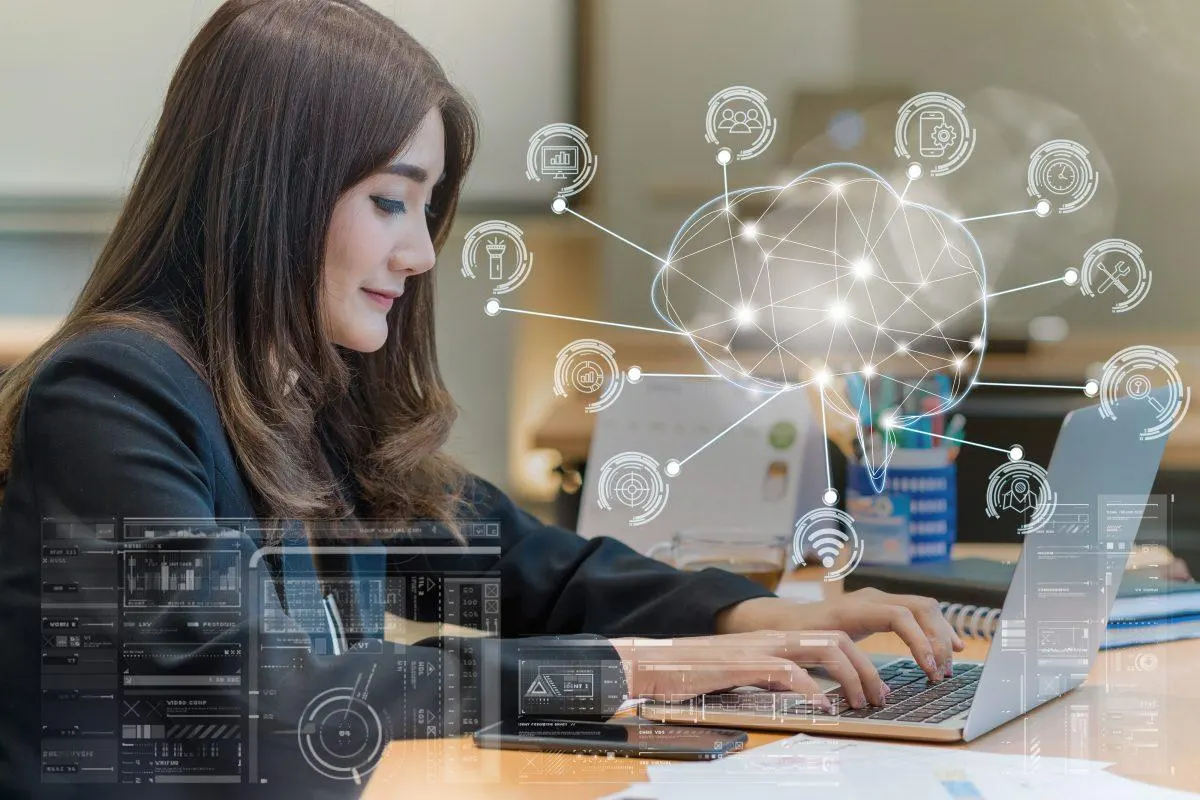
ARTIFICIAL intelligence is transforming the modern workplace at an unprecedented pace. AI can draft emails, generate presentations, analyse large volumes of data and increasingly support decisions that once required teams of professionals.
As organisations embrace these capabilities, the instinct is often to automate more processes, accelerate workflows and maximise efficiency wherever possible.
Yet an interesting countertrend is beginning to emerge. As technology becomes more capable, many professionals are rediscovering the value of habits that encourage deeper thinking, stronger collaboration and more meaningful human interaction.
The lesson is not that technology should be rejected. Rather, it is that the more we automate cognitive tasks, the more intentional we must be about preserving the human capabilities that technology cannot easily replicate.
One example is the simple act of writing by hand.
Research suggests that handwriting can encourage deeper cognitive engagement than typing in certain contexts. Because handwriting is slower, it forces us to prioritise information, interpret ideas and synthesise concepts in real time rather than merely transcribing them.
In many organisations, digital note-taking encourages volume over reflection. While technology enables us to capture information quickly, it does not necessarily help us process it more effectively. Handwriting slows the pace just enough to encourage understanding and retention.
In a workplace where AI can instantly summarise meetings and generate transcripts, the real advantage lies not in how much information we collect, but in how well we internalise and apply it.
Interestingly, this shift is not limited to older generations. Many younger professionals who have grown up in fully digital environments are experimenting with notebooks, paper planners and other analogue tools as a way of reducing screen fatigue and improving focus.
This is not a rejection of technology. It is an attempt to use technology more deliberately.
The same principle applies to collaboration.
Digital platforms, remote meetings and virtual whiteboards have increased flexibility and reduced logistical barriers. However, face-to-face interaction still offers advantages that are difficult to replicate online.
When people share a physical space, conversations tend to be more spontaneous and dynamic. Informal exchanges, unplanned observations and subtle social cues often contribute to the creative process in ways that structured online meetings cannot easily reproduce.
This is particularly important in fields that depend on interdisciplinary collaboration. Innovative ideas often emerge from half-formed thoughts, spontaneous discussions or casual observations rather than carefully scripted presentations.
As organisations integrate AI into daily workflows, there is a temptation to make collaboration increasingly efficient and structured.
Yet excessive structure can sometimes limit creativity. Effective brainstorming requires space for ideas to evolve before they are evaluated.
Another workplace habit that deserves renewed attention is informal face-to-face interaction.
Conversations over coffee or lunch are often dismissed as unproductive, but they play an important role in building trust, strengthening workplace relationships and facilitating the exchange of tacit knowledge.
In hybrid and remote work environments, loneliness and social isolation have become growing concerns, particularly among younger employees who are still developing their professional identity.
Much of what people learn at work is not acquired through formal training programmes. It is learned through observation, mentorship and everyday conversations. A brief discussion with an experienced colleague can often provide insights that no handbook or online module can fully capture.

For organisational leaders, the lesson is not to retreat from technology. AI will continue to shape the workplace, and rightly so. The challenge is to recognise that human capabilities cannot be taken for granted.
Handwriting can support deeper reflection. Face-to-face collaboration can stimulate creativity. Informal interactions can strengthen trust, learning and organisational culture.
These practices may seem modest compared with sophisticated AI systems, but they help sustain the cognitive and social foundations upon which effective organisations depend.
The next generation of professionals will undoubtedly be digitally fluent. Their competitive advantage, however, may not come from mastering the largest number of applications or platforms. It may come from balancing technological fluency with critical thinking, sound judgment and meaningful human connection.
The organisations that understand this balance will be best positioned to benefit from technological progress without losing the human qualities that give that progress purpose.
As we invest in increasingly powerful tools, we should invest just as deliberately in the habits that preserve attention, reflection, creativity and genuine connection.
That is not a step backwards. It is how we ensure that technological progress remains centred on people.
Ts. Elman Mustafa El Bakri is CEO and Founder of HESA Healthcare Recruitment Agency and serves on the Industrial Advisory Panel for the Department of Biomedical Engineering, Universiti Malaya.
The views expressed are solely of the author and do not necessarily reflect those of MMKtT.
- Focus Malaysia

No comments:
Post a Comment
Note: Only a member of this blog may post a comment.