


Ahmad Muizz Ab Ghani spent nearly three years in prison after the High Court found him guilty of trafficking 1.1kg of the drug.
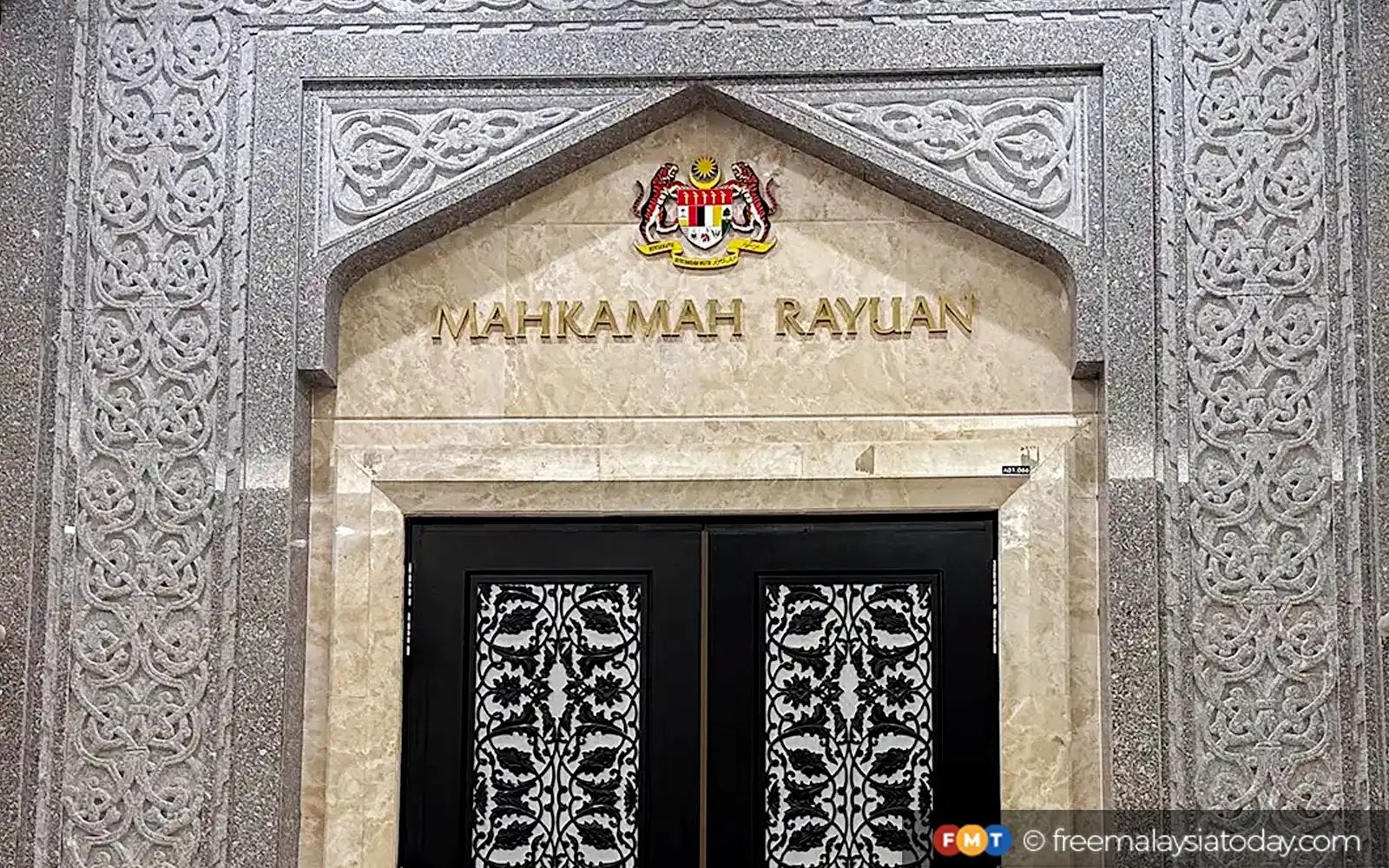
The relatives of Ahmad Muizz Ab Ghani, 39, who were seated in the public gallery, broke down in tears and offered prayers of gratitude after the three-member appellate bench unanimously allowed his appeal.
The bench chaired by Justice Azman Abdullah, together with Justices Radzi Abdul Hamid and Meor Hashimi Abdul Hamid, ruled that legal errors committed during the trial rendered Muizz’s conviction unsafe.
Azman said the High Court judge had erred in law when convicting the former teacher.
The court’s decision brought an end to Muizz’s nearly three-year ordeal after he was arrested on Jan 17, 2023. He had remained in custody throughout his trial and appeal.
At the time of his arrest, Muizz was a government schoolteacher in Klang. He was later convicted by the High Court of trafficking cannabis at Lot 617, Jalan Lapis 2, Batu 6, Kampung Sementa, Klang, Selangor.
The High Court had sentenced him to 30 years’ imprisonment and ordered him to receive 12 strokes of the rotan.
Under the Dangerous Drugs Act 1952, anyone found in possession of 200g or more of cannabis is presumed to be trafficking the drug, and those charged with such offences are not eligible for bail.
Muizz’s lawyer Hisyam Teh Poh Teik argued that the trial judge had failed to clearly establish the basis on which his client was called to enter his defence.
Hisyam submitted that the judge had not determined whether the prosecution’s case was based on actual trafficking or on the statutory presumption of trafficking arising from possession of the drugs.
He argued that the High Court had wrongly relied on both the presumptions of possession and knowledge under the law, while also relying on evidence said to prove actual possession and knowledge.
“The High Court erred when the judge invoked the presumption of possession and knowledge while simultaneously relying on actual evidence of possession and knowledge,” he submitted.
Deputy public prosecutor Noor Farhana Adham, however, urged the court to maintain the conviction, arguing that the issues raised by the defence were merely technical and did not affect the trial judge’s findings.
Police had raided Muizz’s house, where his wife and three children were present. The defence had pointed out that no incriminating items were found inside the house.
During the raid, police questioned Muizz, who then led them to a car parked within the compound of the house. The ignition key was found in his trouser pocket. Using the key, Muizz unlocked the front passenger door and retrieved a bag containing the drugs, which he then handed to the police. - FMT

No comments:
Post a Comment
Note: Only a member of this blog may post a comment.