


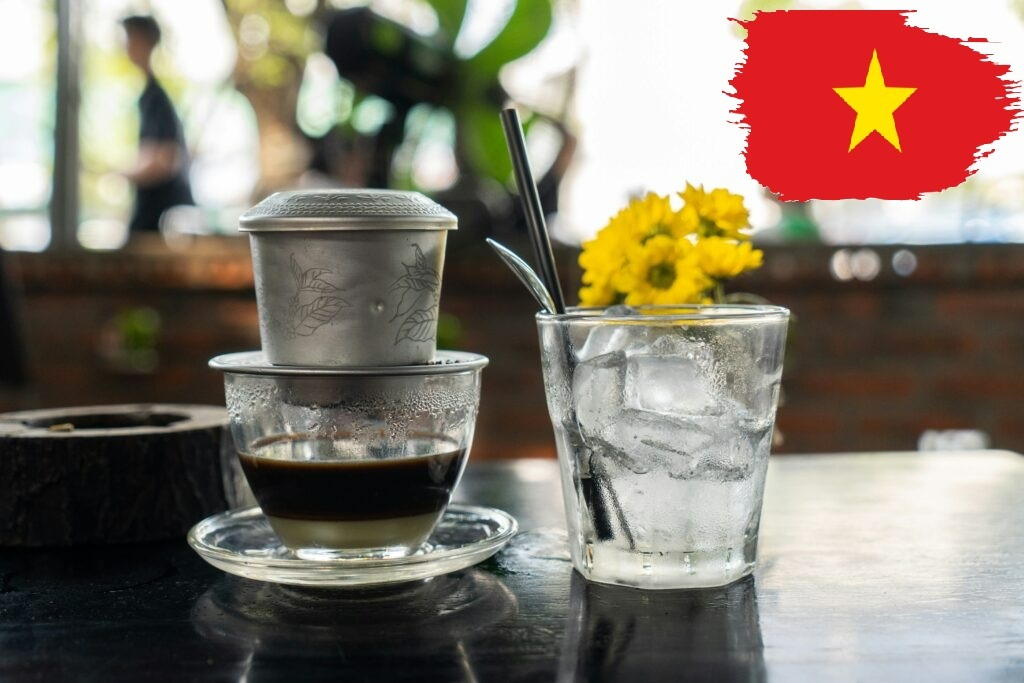
PORK lard and coffee beans.
Many would have thought of them as unlikely pairings but apparently traditional Vietnamese method of preparing the raw ingredients for its famous brew involves coating the beans with animal fat such as pork lard or butter during or immediately after the roasting process.
This method is rooted in the traditional handling of Robusta coffee beans. Robusta which accounts for the vast majority of Vietnam’s production is known for being highly caffeinated, earthy and intensely bitter.
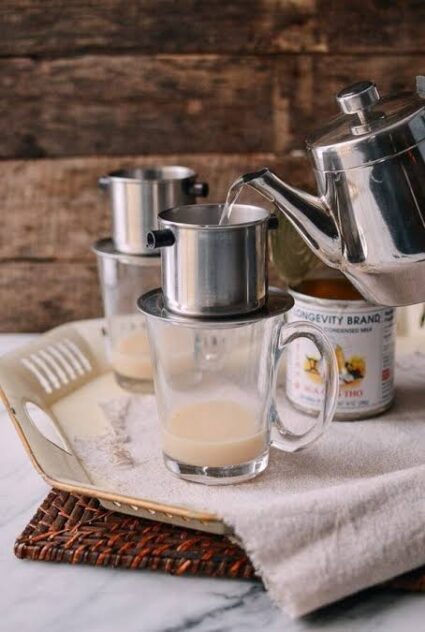
To make the harsh beans more palatable and to create a thicker, heavily caramelised brew, traditional family-run roasters historically coated them with fats along with sugar, salt and sometimes even a touch of fish sauce.
This little nugget of info was recently discovered by Threader amorizan who shared that Vietnamese coffee beans are roasted with lard prior to their grinding into coffee powder to make the brew creamier.
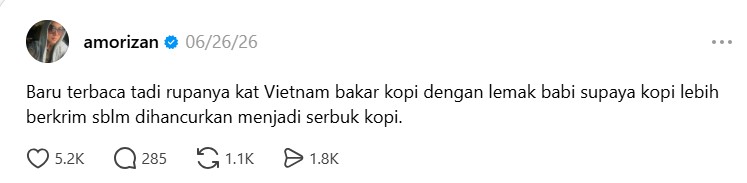
The startling discovery that a simple cuppa of brew could contain elements of porcine fat has generated 5.2K likes, 285 comments, 1.1K reposts and 1.8K shares at time of publication, denoting this has become hot kopitiam chatter.
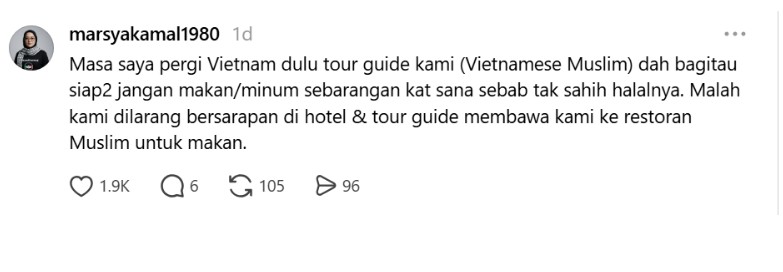
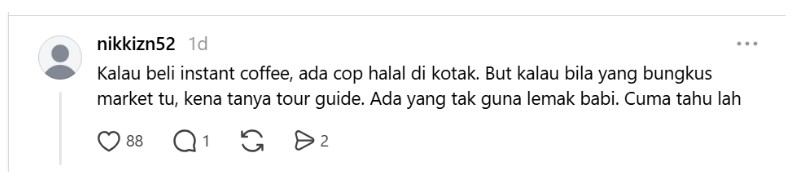
One well-travelled commenter shared that the tour guide in Vietnam had told Muslim visitors need to be extra vigilant, warning even against having breakfast at their hotels. Instead, the Vietnamese Muslim tour guide brought her (and the visiting party) to a trusted Muslim eatery.
Another coffee lover claimed she avoids Vietnam coffee as she had seen this practice of roasting the beans in pork lard in a documentary.
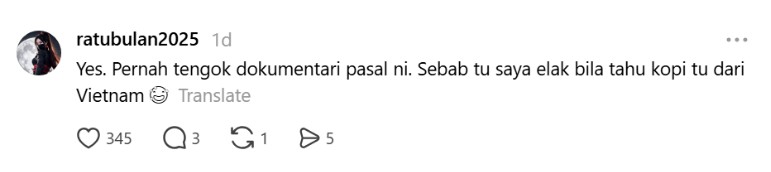
Those who have travelled to Vietnam also seconded that Muslim diners need to exercise caution when visiting. If there is a halal logo on instant coffee packs, it is usually good to go but always check with the tour guide if unsure.
Another commenter who has been to Vietnam also noted that the wording and language on the halal stickers were alien to her. She further cast doubt whether this halal certifications were genuine or were just stickers placed to mislead Muslim consumers.

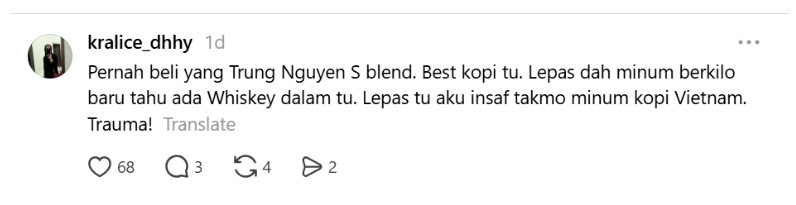
“Absolutely regret consuming Vietnam coffee,” declared one traumatized caffeine addict. Recounting how she fell in love with the rich aromatic blend that is Trung Nguyen S blend, only to later find out it was laced with booze!
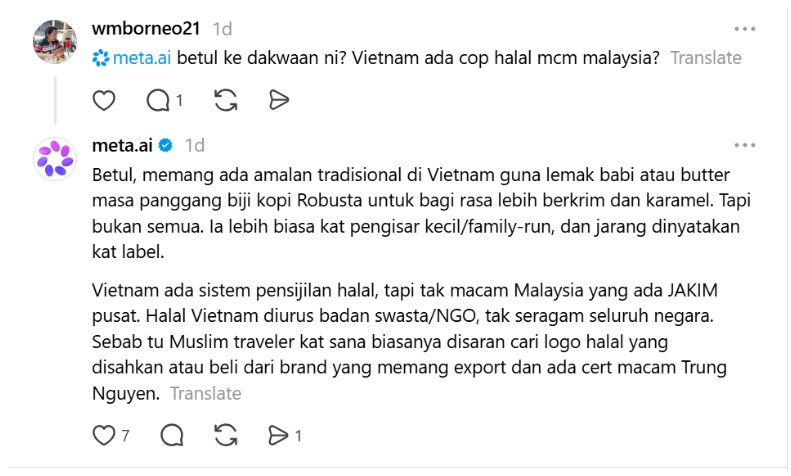
Resorting to artificial intelligence, this commenter sought further clarification on the matter. The response was that this practice of using pork lard was to give the coffee a more creamy and caramel flavour.
This method was usually utilised by smaller family-run enterprises in Vietnam and would not be stated on the labels.
It was also highlighted that while there is halal certification in Vietnam, it is not centrally monitored by a regulatory body like JAKIM (Department of Islamic Development Malaysia) in Malaysia. Instead, it is overseen by private organisations and NGOs in Vietnam.
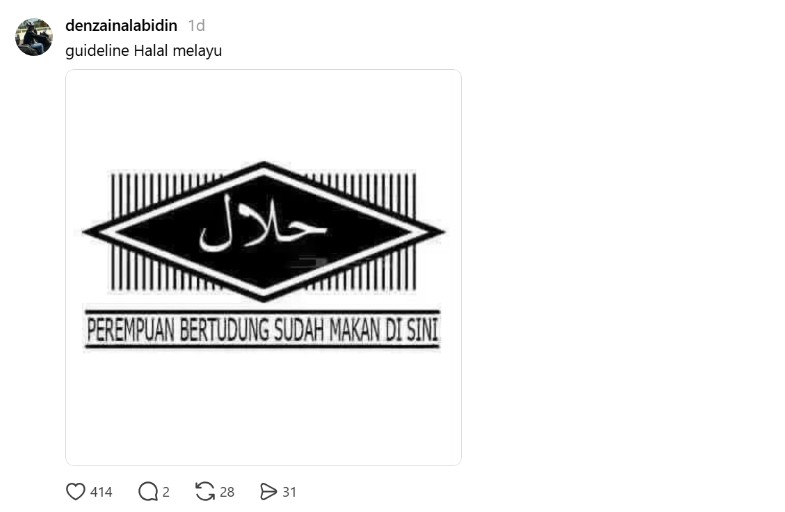
The Malaysian standard of halal verification was also chided in a humorous meme where the mere sight of a tudung-clad woman dining on the premises was enough to convince others of the halal status of the eatery.
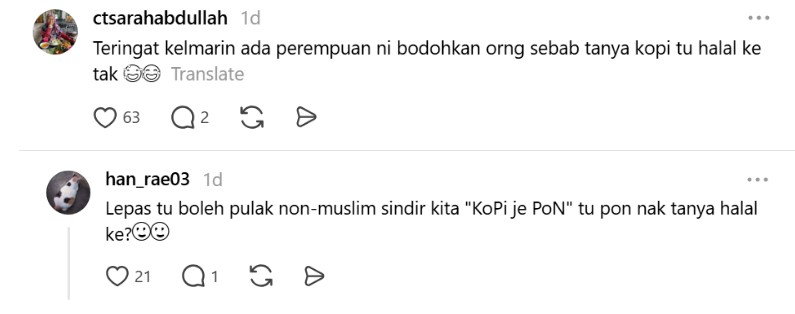
A couple of indignant coffee lovers recalled how they were belittled for questioning whether a coffee was halal or not.
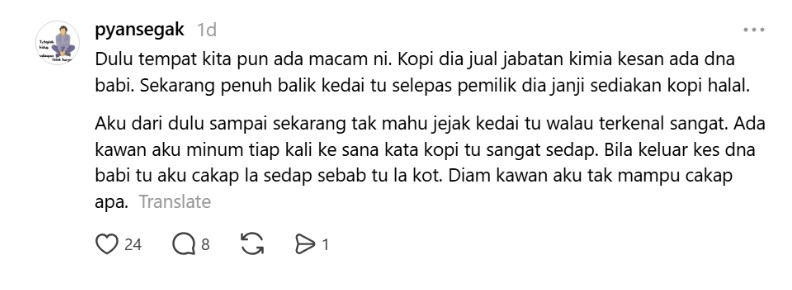
In a local context, one alarmed Muslim diner recounted how a popular café had fallen foul of the Chemistry Department’s lab tests which detected pork DNA in the coffee being sold.
Despite many fans proclaiming the quality of the outlet’s brews, this commenter refused to patronise the shop. The chem lab tests vindicated his wariness.
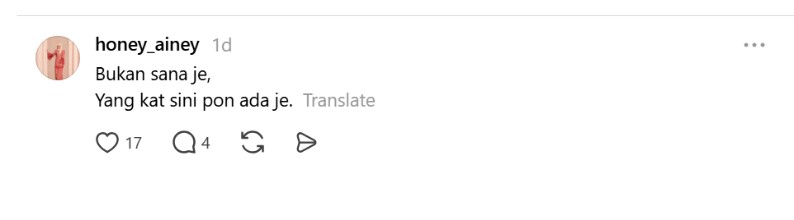
As can be seen, Muslim diners have to be extra vigilant not just when travelling abroad but also in a local context. Non-halal ingredients can crop up in the most innocuous of places like a cup of coffee. It is just better to be safe than sorry. – Focus Malaysia

No comments:
Post a Comment
Note: Only a member of this blog may post a comment.