


Prime Minister Anwar Ibrahim’s remarks on Taiwan are unlikely to cause an immediate rupture in Malaysia-Taiwan ties, but could lead Taipei to question Kuala Lumpur’s neutrality and strategic autonomy, according to analysts.
Universiti Pertahanan Nasional Malaysia (UPNM) senior lecturer Aini Fatihah Roslam said the most significant risk was not a breakdown in ties, but a change in Taiwan’s strategic perception of Malaysia.
“In short, the greatest risk is not that ‘Taiwan is angry with Malaysia’, but that ‘Taiwan begins to doubt Malaysia’s neutrality’,” she told Malaysiakini.
She said such doubts, if sustained, could have wider implications for political trust, security assessments and Taiwanese investment in Malaysia.
The controversy followed Anwar’s interview with Al Jazeera, released on Sunday, in which he said: “I see Taiwan as part of China, period,” while reiterating Malaysia’s adherence to the One China policy.
When pressed on Beijing’s refusal to renounce the use of force to achieve reunification, Anwar compared the situation to an attempt to break up Malaysia, saying he would use force to preserve the country’s unity.
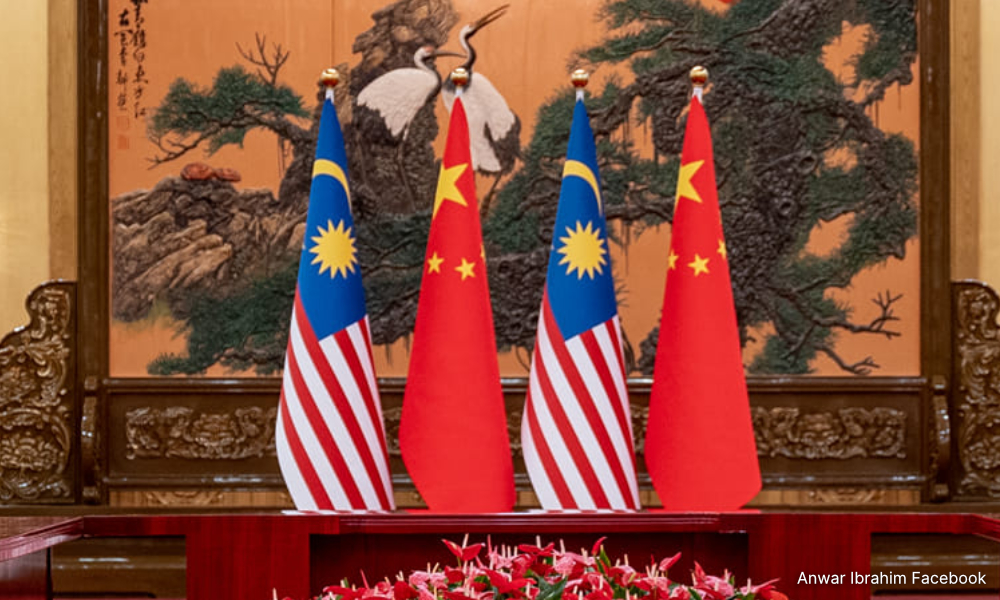
China’s Foreign Ministry subsequently cited the exchange in its response to the interview.
The initial remarks also drew criticism from Taipei and praise from Beijing.
Taiwan objected to Anwar’s position, arguing that it undermined its sovereignty and risked legitimising Beijing’s threat to use force against the self-governing island.
Taipei maintains that Taiwan is a sovereign state and that neither it nor China is subordinate to the other - a position it has repeatedly asserted in response to previous Malaysia-China statements on Taiwan.
Earlier today, Anwar reiterated that his remarks reflected Malaysia’s stand since the era of the second prime minister, Abdul Razak Hussein.
‘Closer to Beijing’s interpretation’
Aini said Anwar’s statement that Taiwan is part of China could be interpreted in Taipei as going beyond a routine reiteration of Malaysia’s One China policy.
She distinguished between the One China policy adopted by many countries, under which Beijing is recognised as the government of China, and Beijing’s One China Principle, which asserts that Taiwan is part of Chinese territory.
“When a Malaysian leader explicitly states that Taiwan is part of China, Taipei may perceive Kuala Lumpur as moving closer to Beijing’s interpretation of Taiwan’s status,” she said.
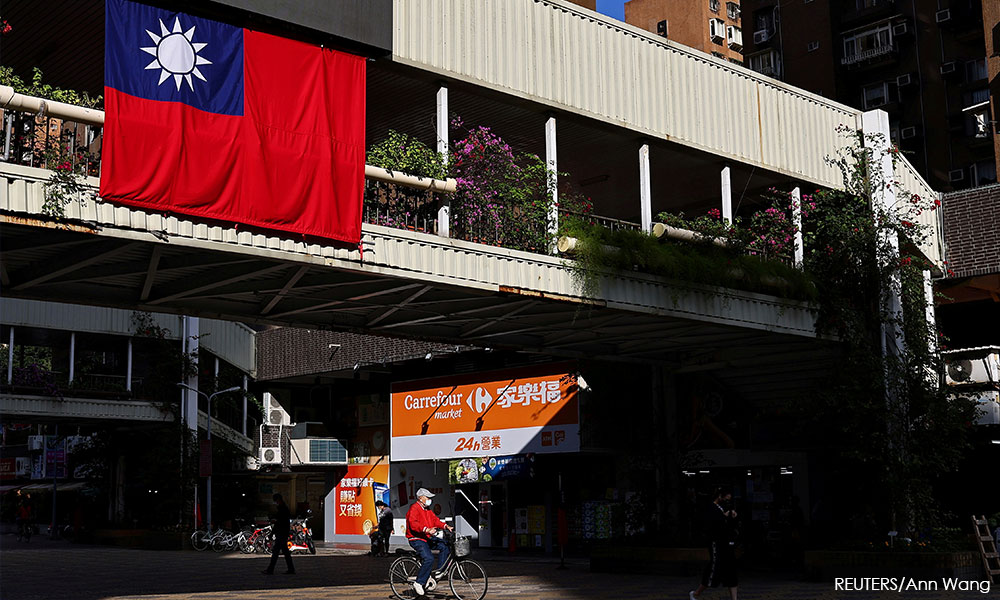
This, she added, could narrow Malaysia’s diplomatic space to be viewed as genuinely neutral on the Taiwan Strait issue.
The issue has previously caused friction between Kuala Lumpur and Taipei.
In June 2024, Taiwan protested a Malaysia-China joint statement issued during Chinese Premier Li Qiang’s official visit, which said Malaysia recognised Taiwan as an “inalienable territory” of China and opposed Taiwanese independence.
Taipei urged Malaysia not to follow Beijing in undermining Taiwan’s sovereignty, and instead expand mutually beneficial economic and trade ties.
Taiwan again expressed regret in April 2025 after a joint statement issued during Chinese President Xi Jinping’s visit to Malaysia described Taiwan as an inalienable part of Chinese territory.
However, Taipei has also welcomed Malaysian statements supporting peace across the Taiwan Strait.
Questions if conflict erupts
Aini further said Anwar’s remarks could also have a “signalling effect”, with Beijing, Taipei and Washington each interpreting them differently.
Beijing could see the statement as affirmation of its position on Taiwan, while Taipei could view it as evidence that Malaysia was moving closer to China.
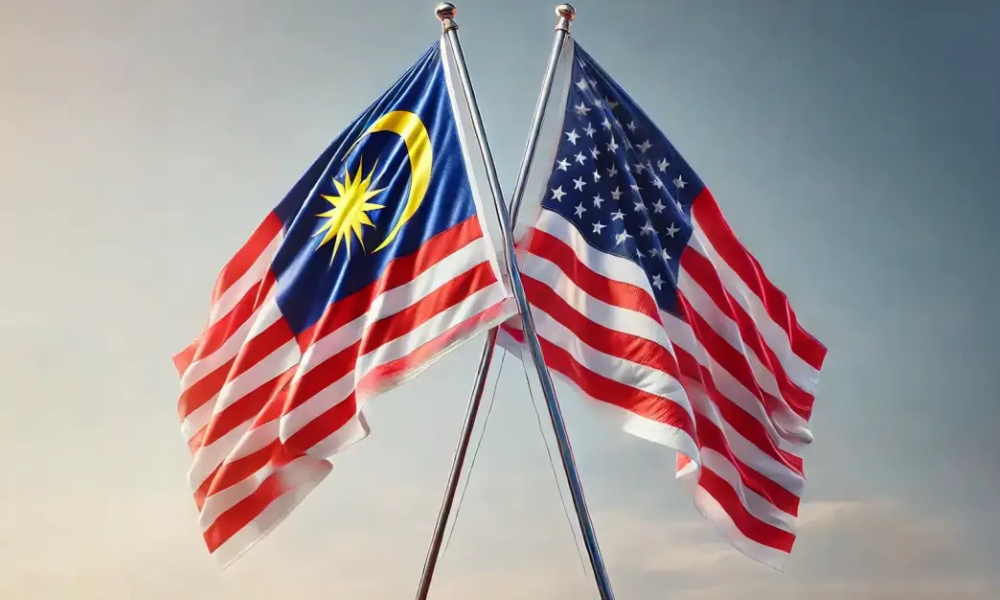
The United States and Malaysia’s other strategic partners, meanwhile, could assess whether Kuala Lumpur was shifting from its traditional hedging strategy towards a more China-leaning orientation.
She said the security implications could become more important if tensions in the Taiwan Strait escalate.
Taipei, she said, may begin asking how Malaysia would respond in the event of a conflict - whether Kuala Lumpur would criticise the use of force, support international diplomatic intervention, remain neutral, or avoid criticising Beijing.
“Foreign policy is assessed not only based on official policy, but also on expected behaviour during a crisis,” she said.
Aini also cautioned that political perceptions could eventually influence Taiwanese investment decisions in Malaysia, particularly in strategic sectors such as semiconductors, electronics, technology and manufacturing.
She stressed that this did not mean Taiwanese investors would withdraw from Malaysia, but geopolitical considerations could increasingly factor into risk assessments for future investments.
“In strategic industries such as semiconductors, investment decisions are no longer determined solely by labour costs, infrastructure and government incentives.
“Geopolitics, supply-chain security and the stability of international relations have also become increasingly important,” she said.
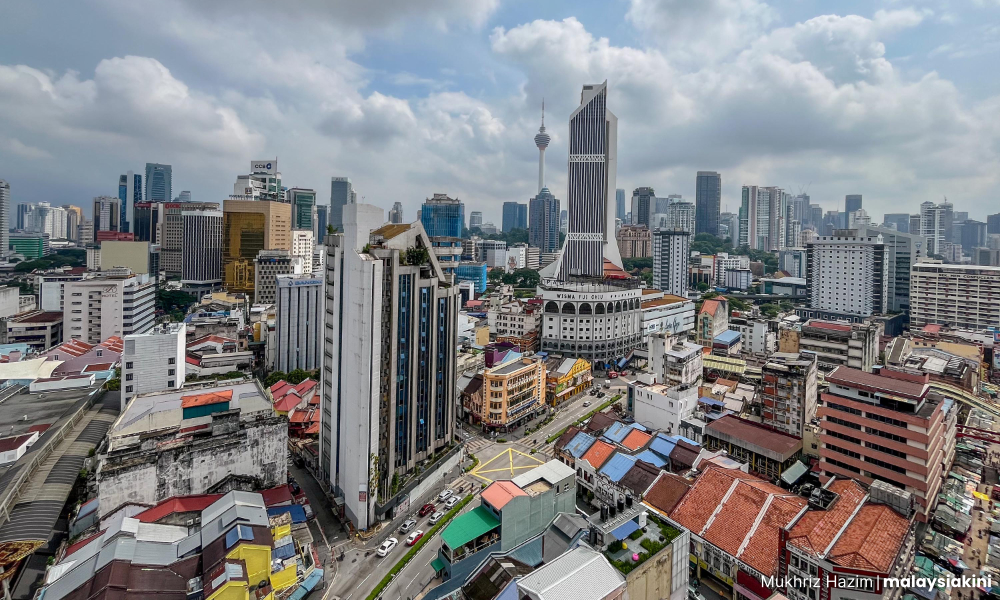
According to the Malaysian Investment Development Authority, Chinese investment in Malaysia accounted for RM43.7 billion in approved manufacturing investments in 2025, compared with RM3.95 billion from Taiwan.
In the first quarter of this year, Chinese manufacturing investments stood at RM10.05 billion, nearly 12 times Taiwan’s RM848.7 million.
Balancing Washington and Beijing
Universiti Malaya Asia-Europe Institute senior lecturer Zaharul Abdullah, meanwhile, said Anwar’s remarks could be viewed as an attempt to balance Malaysia’s relations with China and the US.
He said China regarded reunification with Taiwan as a domestic issue and a “red line” for countries seeking diplomatic relations with Beijing.
According to Zaharul, Anwar’s remarks were likely intended to maintain Malaysia’s relationship with China, which remains important politically, economically, diplomatically and strategically.
However, he said the prime minister should have been more cautious when addressing the possibility of military force being used in the reunification process.
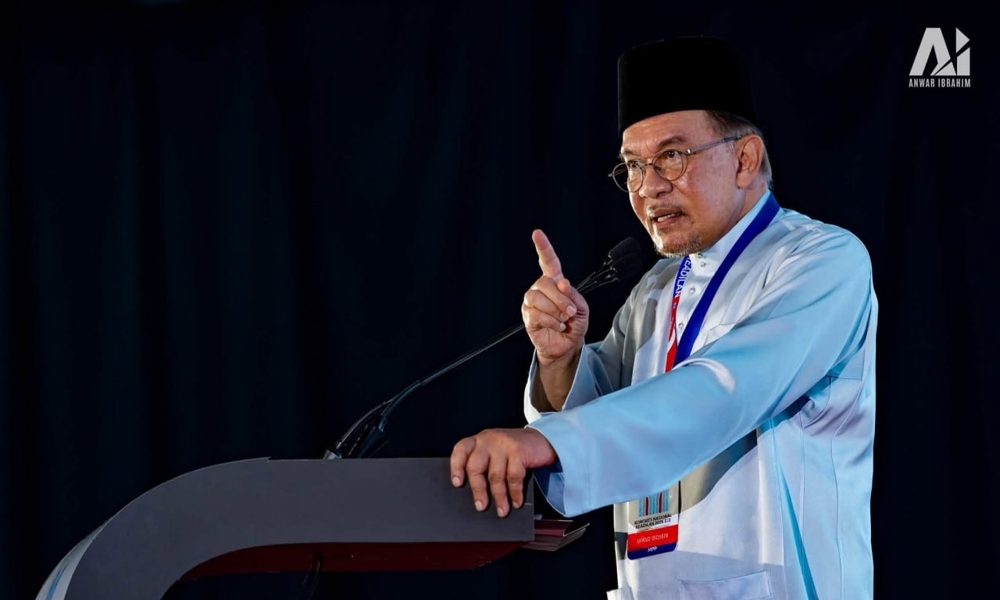
“Anwar should have emphasised Malaysia’s support for the One China policy as well as for a non-military approach to the process,” he said.
Zaharul added that Malaysia should continue using “quiet diplomacy” to convey its views to Beijing.
He also argued that the statement could be intended to counter perceptions that Malaysia had recently tilted towards Washington following a trade agreement with the US last October.
“The statement sends a message that Malaysia is not entirely aligned with the US and demonstrates Malaysia’s desire to preserve close relations with China,” he said.
While it could cause unease in Washington, Zaharul said he did not expect it to affect US economic ties or investment in Malaysia.
‘No issue’
Universiti Kebangsaan Malaysia senior lecturer Nurhidayu Rosli, however, played down the controversy, saying Anwar was merely reiterating Malaysia’s longstanding position.
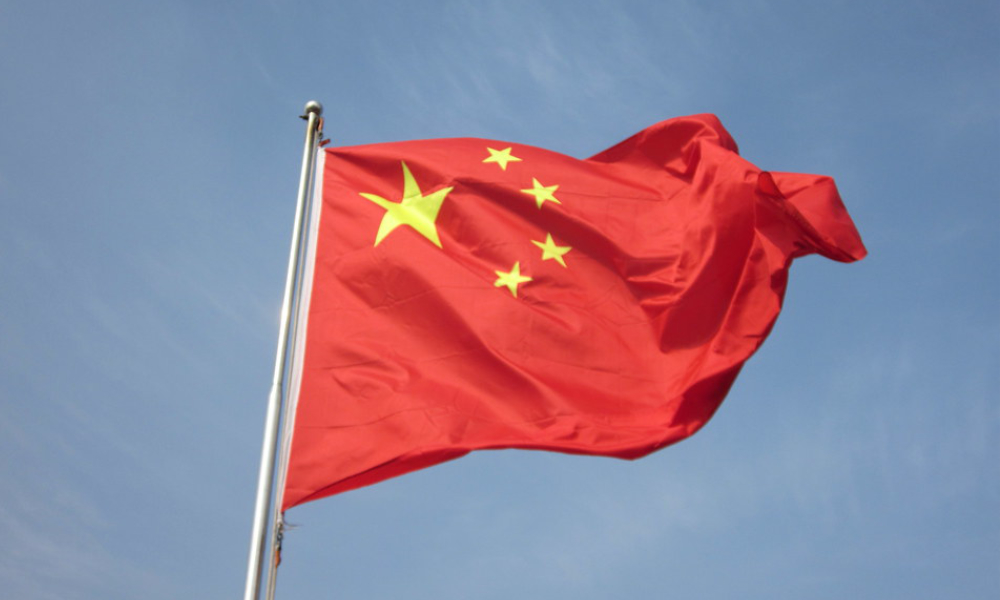
She said for decades, Malaysia has adhered to the One China policy and does not recognise Taiwan as a sovereign state.
“PM is merely continuing Malaysia’s existing position. There is no issue,” she said.
Nurhidayu added that Wisma Putra had consistently maintained this stance despite Taiwan’s previous efforts to seek greater international recognition. - Mkini

No comments:
Post a Comment
Note: Only a member of this blog may post a comment.