


Amendments to the Communications and Multimedia Act (CMA) 1998 make it harder to "misuse" against activists like Heidy Quah, Communications Minister Fahmi Fadzil said.
Reacting to the Federal Court's decision earlier today that reinstated a provision in the Act that criminalises content that “annoys” or is “offensive”, Fahmi said the 2024 amendments have raised thresholds for the offence.
"We believe that with this amendment, God willing, it will be harder or less easy to misuse Section 233(1) (of the CMA)," he told a press conference at his ministry in Putrajaya this evening.
The amendment had refined the section so that objectionable communications are “grossly offensive” and not just “offensive”.
The definition for "grossly offensive" is laid out under Explanation 6 for the amended section, which states that it may include expletives and profanities that offend many people - such as crude references, hate speech and violence.
However, it notably states that communications made in good faith are not grossly offensive as long as the communications are factual and consist of “statements and opinions”.
Regressive amendments
After the amendments were passed in the Dewan Rakyat, nine civil society organisations labelled the changes as "regressive", nothing an "alarming expansion" to the MACC's powers as well as a failure to repeal controversial provisions, including Section 233.
This morning, the Federal Court unanimously ruled that the words "annoy" and "offensive" did not violate freedom of speech under Article 10(1) of the Federal Constitution.
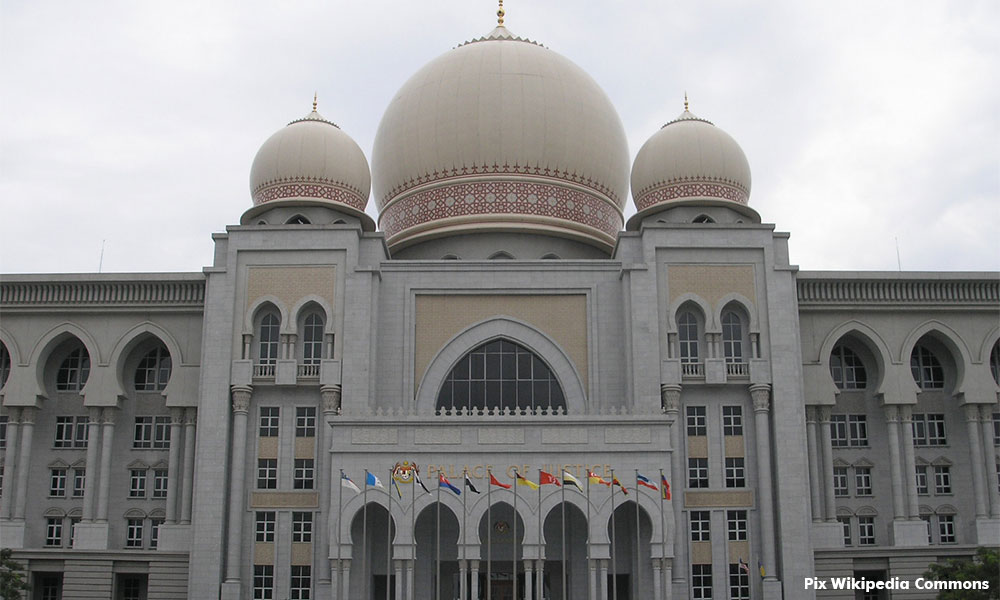
Nevertheless, the panel affirmed the Court of Appeal’s decision in finding the prosecution's charge against Quah under the provision in September 2021 over her Facebook post unjustified.
The panel also said the activist’s Facebook post falls within the definition of the right of freedom of speech and expression under Article 10(1)(a) of the Constitution.
The civil action was initiated after Quah was charged in July 2021 under the section over a Facebook post highlighting the mistreatment of refugees at immigration detention centres.
In April 2022, the Sessions Court granted Quah a discharge not amounting to an acquittal due to the charge under Section 233(1)(a) being defective.
In September 2023, the High Court dismissed the suit, prompting her appeal. - Mkini

No comments:
Post a Comment
Note: Only a member of this blog may post a comment.