


There was a time long ago, before most Malaysians now living were born, that we elected our own local government.
We were participating in democracy as far back as 1951, three-quarters of a century ago, when Georgetown in Penang elected a council, way before 1957’s national independence.
Where’s all that gone? What led to the suspension and effective abolition of local council elections to be replaced by a bunch of usually sycophantic appointed councillors picked by the ruling state government of the day, and the death of democracy at the local level?
Whatever the background to this, the continued, indefinite, and unjustifiable suspension of local elections is a reflection of bad politics, corruption, and patronage of successive powers, especially Umno/BN, which was loath to hand power over locally, which would have undercut their ability to continue with malpractices.
The previous Pakatan Harapan government, post the 2018 election, never even had a chance to revisit this properly, as former Umno bigwig Dr Mahathir Mohamad, in his second reincarnation, led it firmly away from reformation - and lost power.
Local elections first
Now, Anwar Ibrahim’s Madani government is facing calls for an election of a mayor in Kuala Lumpur, when what is required and much easier to implement is the resumption of local elections, which will bring democracy the closest to the grassroots.
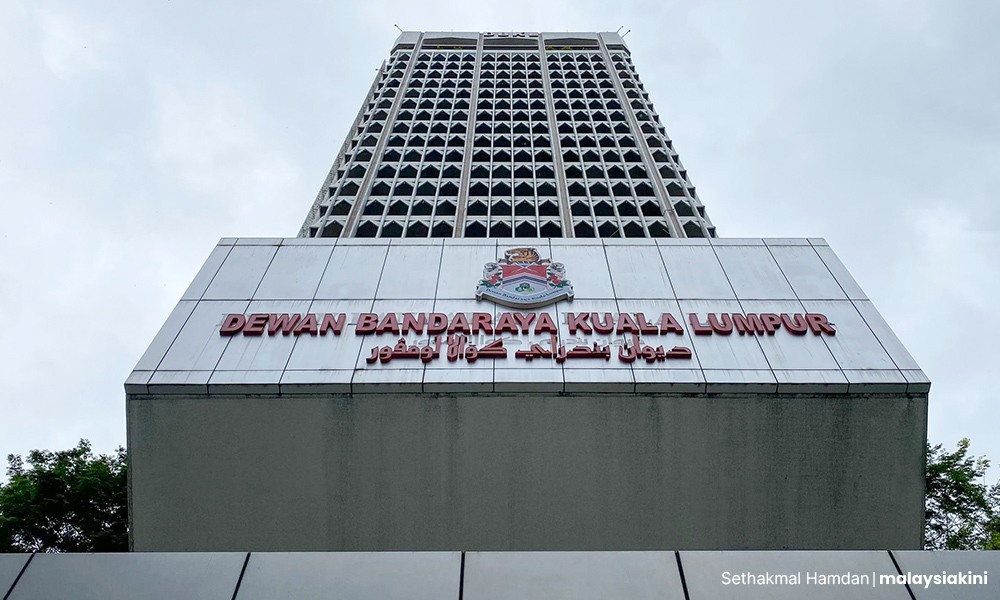
People will have the chance to elect people who also live in these areas, to run a big part of their lives - parks and recreational spaces, houses and commercial spaces, parking, local tax collection, etc. Why, they may even be in close contact with their councillors.
This does not preclude mayoral elections eventually, but do the easier thing first - start with local elections and give the people back their democracy like the British did six years before our independence. They had mayoral elections too at that time.
Why are we going backwards, worse than the British occupiers, who permitted local council and mayoral elections?
An Act of Betrayal
An article titled “Act of Betrayal, The Snuffing Out of Local Democracy in Malaysia” by renowned political scientist Johan Saravanamuttu, written a quarter of a century ago in Aliran, is the best I have read on the issue.
It explains the background to local council elections and how their abolition was a betrayal, nothing less.
The article says that most Malaysians are probably unaware that vibrant local-level democracy existed in the 1950s and 1960s.
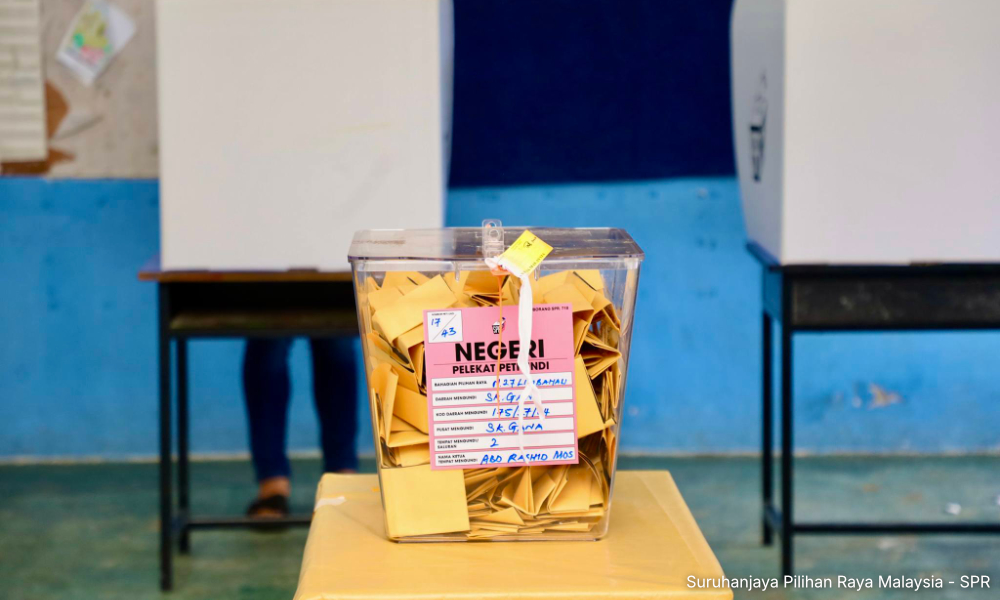
“We had 373 local authorities that had well over 3,000 elected representatives out of a total of some 4,223 local councillors.
“This number excluded those of the Kuala Lumpur municipality, which came under a separate jurisdiction because it was the federal capital, ” he says.
3,000 councillors
Imagine, 3,000 local councillors then. In 1959, the first elections after independence saw 104 members of Parliament. How much more representative local elections were - all that is gone now.
“The three most prominent municipalities were George Town, Ipoh, and Malacca. Elsewhere, there were 37 town councils, 37 town boards, 289 local councils, and seven district councils.
“Penang and Malacca were the two states which had local councils statewide, and only Penang had fully elective councils throughout its territory on both the island and the mainland,” Saravanamuttu says.
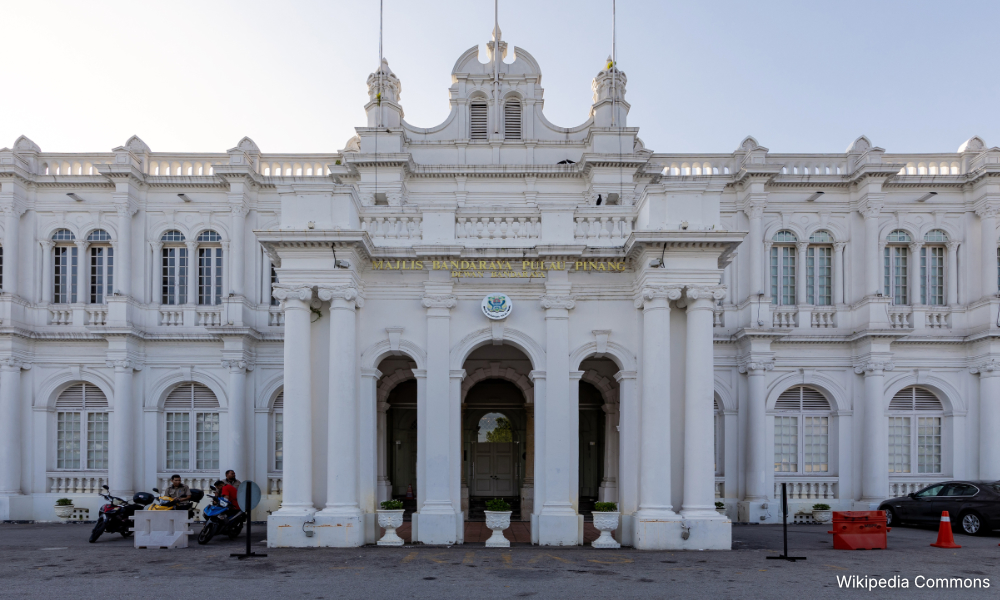
“George Town had a particularly eminent history in terms of democracy at the local level. The first elections in Malaya were held there in 1951 to elect nine councillors.
“George Town was a ‘city council’ (the only one) by virtue of the fact that it was granted city status by the British in January 1957.
“With the passage of the Local Government Act, 1960, a new Constitution was granted to the City Council of George Town from 1 April 1961.
“George Town was fully autonomous financially and was the richest local authority, with annual revenue almost double that of the State of Penang. Its Reserve Fund at the end of 1965 stood at some 6,037,535 Malaysian dollars.”
Suspension of council elections
It’s interesting to note how these elections were effectively abolished.
According to Saravanamuttu, in June 1965, the government set up a “Royal Commission of Inquiry on Local Authorities” headed by Senator Athi Nahappan (a founding member of MIC and a lawyer).
However, confrontation and a brief war with Indonesia in 1965 resulted in the suspension of local council elections.
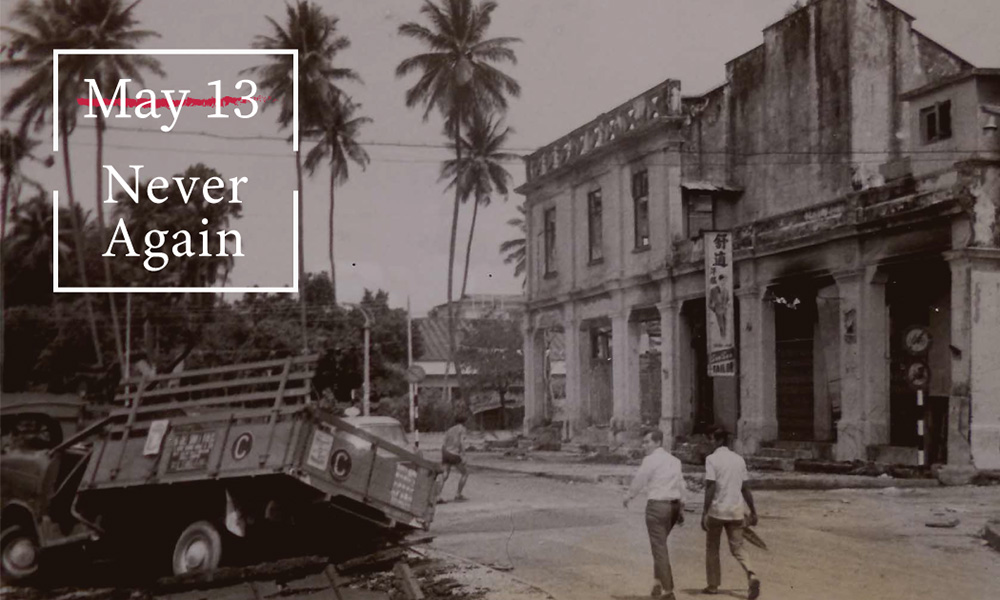
These were never revived, with the riots of May 13, 1969, providing further impetus to its continued suspension.
The RCI strongly recommended that local council elections be recommenced. A sampling:
Every state capital should be administered by a local authority and have elective representation. The same principle should also be extended to all local councils outside the state capitals.
There should be one single law applicable throughout the country relating to and governing local authorities, and every state should adopt and enforce the law within six months after it has been passed by Parliament.
A local authority should be decentralised and should be an autonomous body corporate consisting of fully elected members with financial and administrative autonomy, but subject to the control of the state government on matters of national importance and interest.
Party politics should be allowed to continue despite its good and bad aspects, and those who wish to remain non-conformist should have the right to stand as “independents”, as in the past.
A Local Government Tribunal should be constituted by the state authority of every local authority.
Saravanamuttu wrote: “Despite the submission of the Nahappan report and its very considered and reasoned recommendations for the revival of local democracy, the minions of state stepped in to snuff out elective local government in complete contradiction to the spirit of the recommendations.”
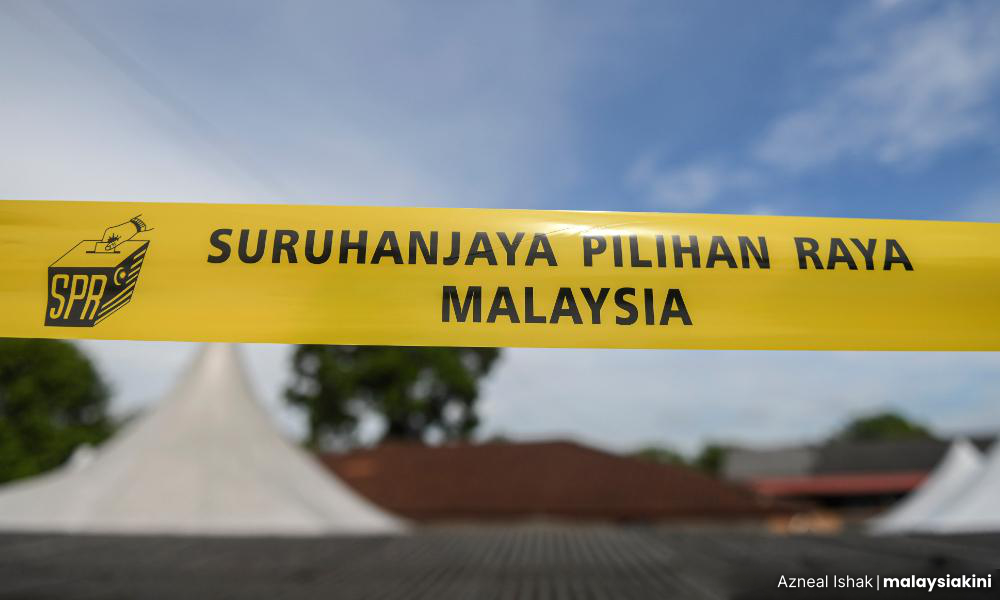
Eventually, legislation was passed to enable appointed local and town councils using the Local Government Act of 1976 under an increasingly corrupt and controlling Umno-led government, which wanted to keep everything under its wings, the same Umno that vociferously opposes local elections to this day.
Saravanamuttu puts it bluntly: “The government’s reactions to the commission’s recommendations were calculated and deliberate, although it must be said that a variety of personalities also played their role in the decline and eventual demise of local democracy in our country.
“Still, the betrayal must surely fall squarely on the shoulders of the governments of the day - federal and state - which did nothing to revive elective local government. Instead, they literally, through acts of commission and omission, snuffed it out.”
And it falls too on the Madani government, which seems to do everything in its power to appease Umno, which continues to betray the country and people. - Mkini
P GUNASEGARAM says that change begins with awareness.
The views expressed here are those of the author/contributor and do not necessarily represent the views of MMKtT.

No comments:
Post a Comment
Note: Only a member of this blog may post a comment.