


A migrant rights group has cautioned that the Human Resources Ministry’s move to establish a pathway for the direct hiring of migrant workers must be coupled with effective oversight mechanisms to prevent continued exploitation of foreign employees.
While welcoming the ministry’s proposal to introduce a system without recruitment agents, Tenaganita said the measure alone will not “automatically protect workers” if its implementation does not include real accountability and solid protections.
“For many years, we have advocated for exactly this reform to eliminate exploitative middlemen who have profited from migrant workers through excessive fees, debt bondage, fraud, and trafficking.
“(But), without strong oversight, workers can still face cheating, contract substitution, illegal deductions, and abuse, only this time directly from employers or informal brokers,” the group said in a statement yesterday.
As such, it stressed that to prevent exploitation shifting from one actor to another, direct hiring must be accompanied by transparent recruitment procedures, enforceable contracts, independent monitoring, and accessible grievance mechanisms.
On Feb 4, The Star quoted Human Resources Minister R Ramanan as saying that the proposed hiring solution, which is being fine-tuned, will be discussed with the Home Ministry and other relevant stakeholders before being presented to the cabinet for approval.
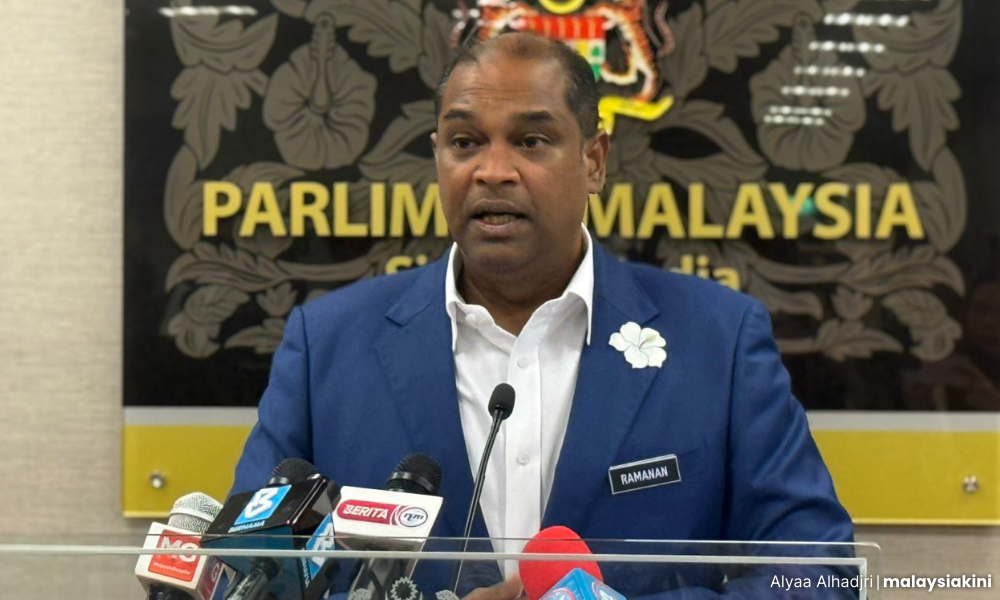
In the exclusive interview, Ramanan also said the proposed solution, which is expected to be ready later this year, aims to protect foreign workers from being charged exorbitant “agent fees” that can reportedly amount to tens of thousands of ringgit.
Commenting on the proposal, Tenaganita highlighted that Putrajaya must also recognise that many employers are not yet fully prepared to manage recruitment and compliance on their own.
Ethical recruitment, it noted, requires knowledge of labour laws, immigration procedures, accommodation standards, and dispute resolution.
As such, it argued that if direct hiring is to succeed, the government must provide clear guidelines, standardised systems, and proper capacity building for employers, warning that without such support, workers will ultimately bear the consequences.
“Direct hiring is not a new idea in Malaysia. Similar initiatives were tried before, especially for domestic workers, but they failed because the necessary structures were weak or absent.
“For this plan to succeed now, it must be backed by strong government-to-government bilateral agreements, binding clauses on wages and fees, transparent systems monitored independently, and strict enforcement against abuse - without these elements, Malaysia risks repeating past failures,” it added.
Victim-centred protection
Tenaganita also emphasised that any new system must allow workers to report abuse without fear of detention, deportation, or retaliation, as a system that punishes workers for speaking out “will never be effective”.

Protection, it said, must be victim-centred, with independent complaint channels, legal aid, and safeguards against blacklisting.
It further said that while technology such as artificial intelligence (AI) can help communication, it is unable to replace legal safeguards and human accountability, as migrant workers’ rights involve complex contractual issues, with misinterpretation leading to potentially serious consequences.
“AI should complement protection mechanisms, not substitute them.
“Workers must still have access to independent counselling and verified information in languages they understand,” it added. - Mkini

No comments:
Post a Comment
Note: Only a member of this blog may post a comment.