


The Sri Maha Mariamman Temple in Dengkil, Selangor, has rebutted claims that it is “illegal”, insisting it has been ready to relocate for years, but the Selangor government never completed the paperwork to formalise replacement land allocated in 1997.
Temple Preservation Action Team (Tepat) chairperson Arun Dorasamy (above) claimed the temple has been in a bureaucratic deadlock since 1997, as its relocation site was never gazetted under the temple’s name.
“This is the first time in 60 years that the temple has spoken out. Why now? Because it has been labelled as an ‘illegal temple’ and accused of unlawfully occupying the land.
“If you're a wise man, and you know the whole chronology, nobody will say that. In this case, the temple has been wronged,” he said during a press conference at the Agamaman Ani office yesterday.
According to Arun, the temple is located on land formerly used for tin mining by Selangor Dredging Berhad, where it was founded in 1967 to serve the local mining community.
When the mining company ceased operations in the late 1980s, the Selangor state government prepared resettlement plans for the residents in the area, including the local surau and the temple.
In 1991, replacement land was allocated to both religious sites. The surau was successfully relocated, but the temple’s relocation stalled.
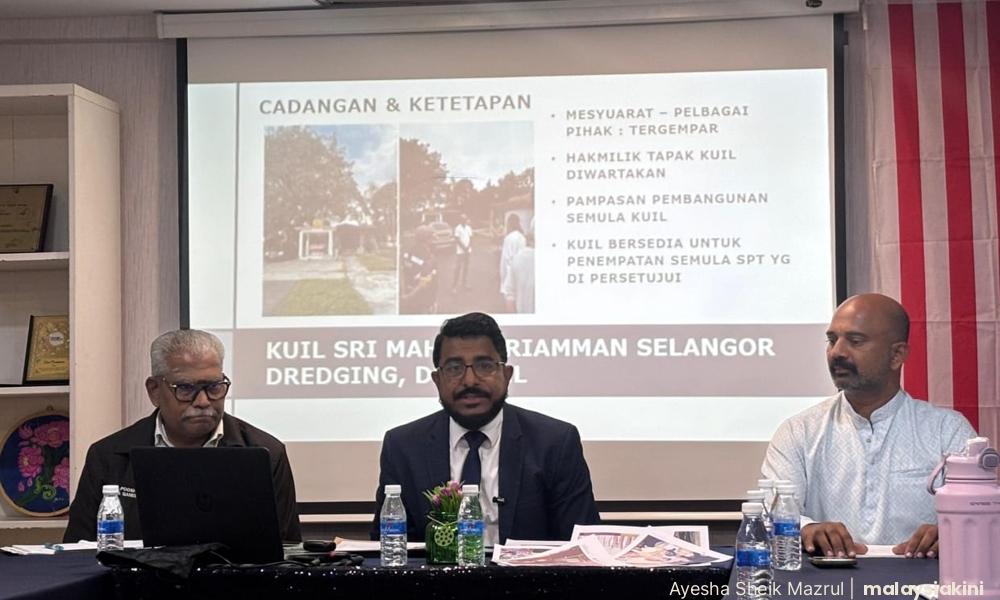
In 1997, former Dengkil assemblyperson Shariff Jajang wrote to the Sepang District Land Office requesting that the temple’s original replacement site be used for shop units instead - a request that was approved. Copies of the purported letter were provided to the media.
Another plot of land, roughly 200 metres from the original site, was proposed as a replacement.
However, the process to officially register this land in the temple's name was never completed - a bureaucratic failure that persists 29 years later, Arun said.
"This is the responsibility of the Selangor state government, and to be very specific, it is the responsibility of the (Sepang) district land office.
“They are the ones who failed to complete the processes for the land. The land office should have done its duty to make sure the land is given properly to the temple,” Arun said.
Since 2011, the temple has appealed to authorities, including then-Selangor menteri besar Abdul Khalid Ibrahim, but received no response, Arun added.
Sitting on private land
The temple now sits on private land that land registry records show was registered to Suhaili Ahmad in 1997.
Suhaili denied that the temple structure existed when he acquired the land. He erected billboards facing the nearby Elite Highway in 2001 for his outdoor advertising business.
He told Malaysiakini that there was only a “temple on wheels” parked there with no permanent structures on the site.
“If I had known that there was a temple occupying the land, I wouldn't have bought it. Not even if it costs 10 sen,” he added.
Suhaili said he was not aware of the permanent structure until he visited the site in June last year and was shocked to find the temple.
“People questioned how I didn’t know about the temple’s existence.
“I didn't notice since there was no need for me to do so. I only built a billboard there, not planting trees,” he added.
Sinar Harian earlier quoted Suhaili saying that he seldom visited because access required a long, circuitous journey, and he monitored the billboard from the highway instead.
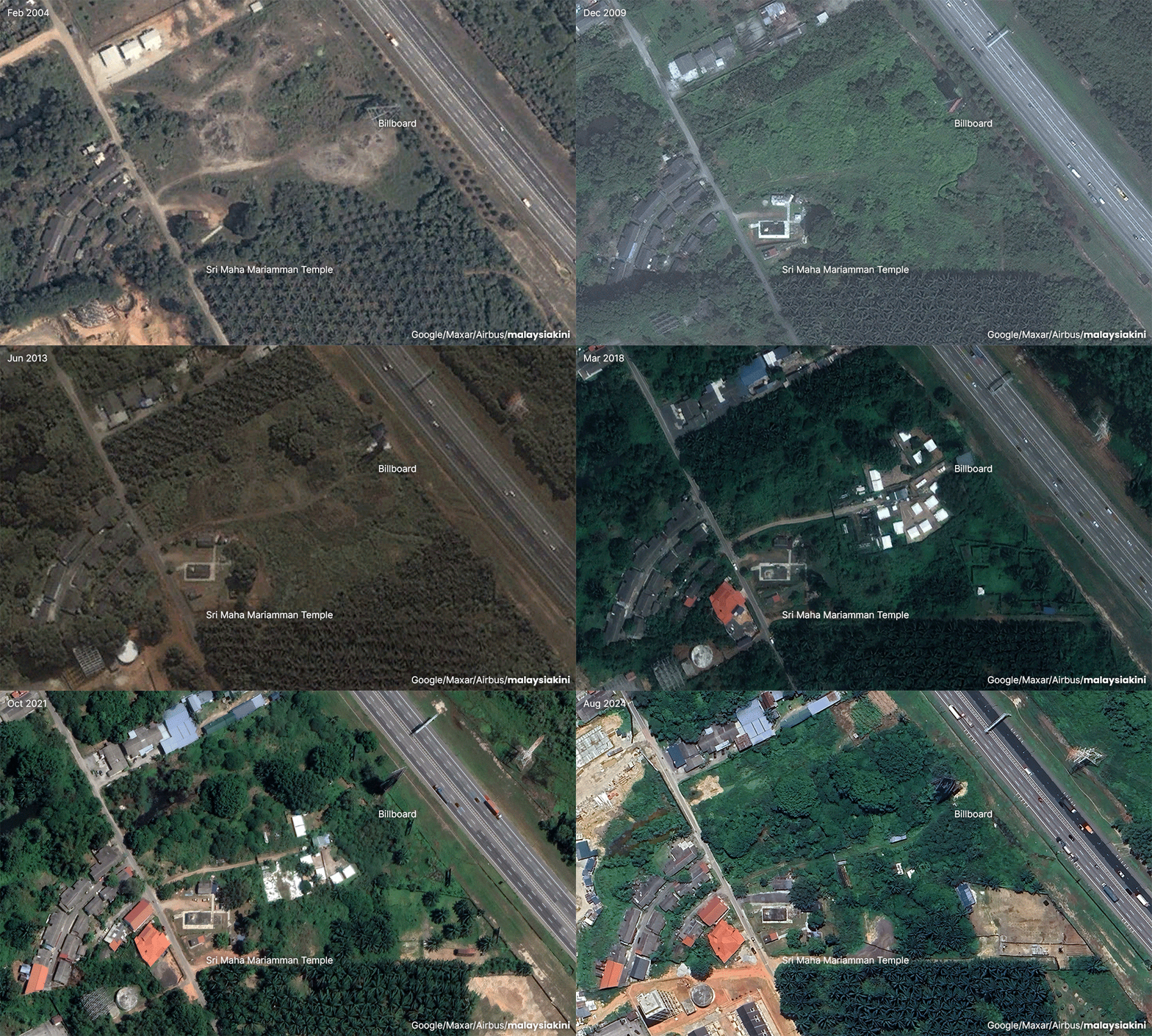
Malaysiakini found via publicly available satellite imagery that the temple structure has been occupying the land since at least February 2004. Earlier images are inconclusive due to poor resolution.
Suhaili said his lawyers have served eviction notices ordering the temple to vacate by today, with another notice to be served stating that the eviction period has ended and entry is no longer permitted.
His lawyers will also meet temple officials to discuss removing religious idols ahead of possible demolition.
‘Third parties' inflamed dispute
Allegations that the temple was built on private land without permission went viral on social media last month.
Tensions escalated after social media posts claimed the temple would be given one week to vacate ahead of a demolition scheduled for Jan 9, Sinar Harian reported.
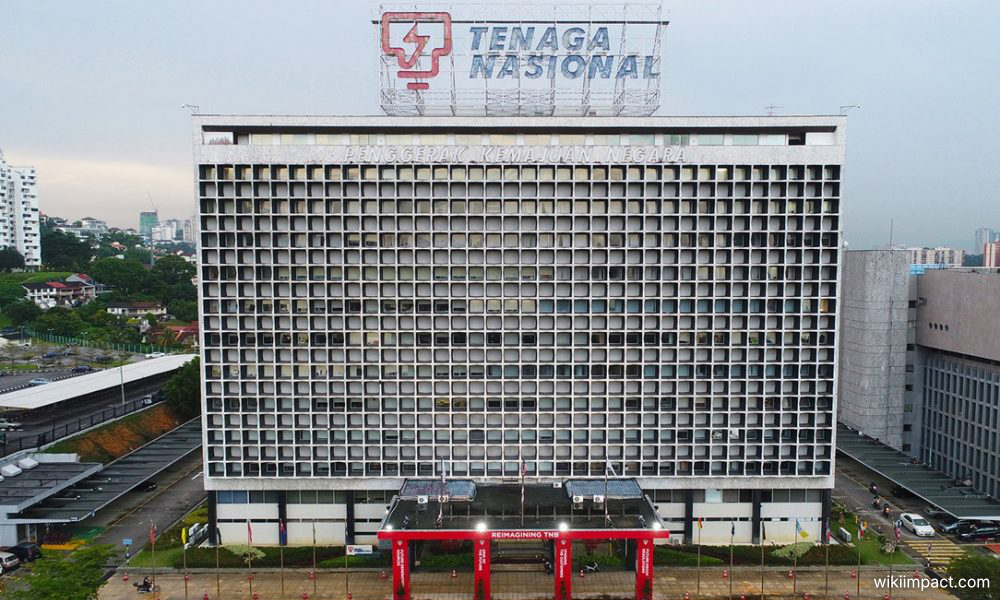
Tenaga Nasional Berhad also claimed the temple had been drawing electricity through the nearby billboard, the daily reported.
However, Arun disputed claims that the landowner was unaware of the temple's existence, saying the land was sold to Suhaili in 1997, and that both parties have been in contact since June 21 last year.
He added that communications between both parties have remained respectful and cordial.
“Suhaili is a very respectful and kind man, we do not have any issues with him.
“Issues only arose after third parties intervened, who used this issue for their own interests,” he said.
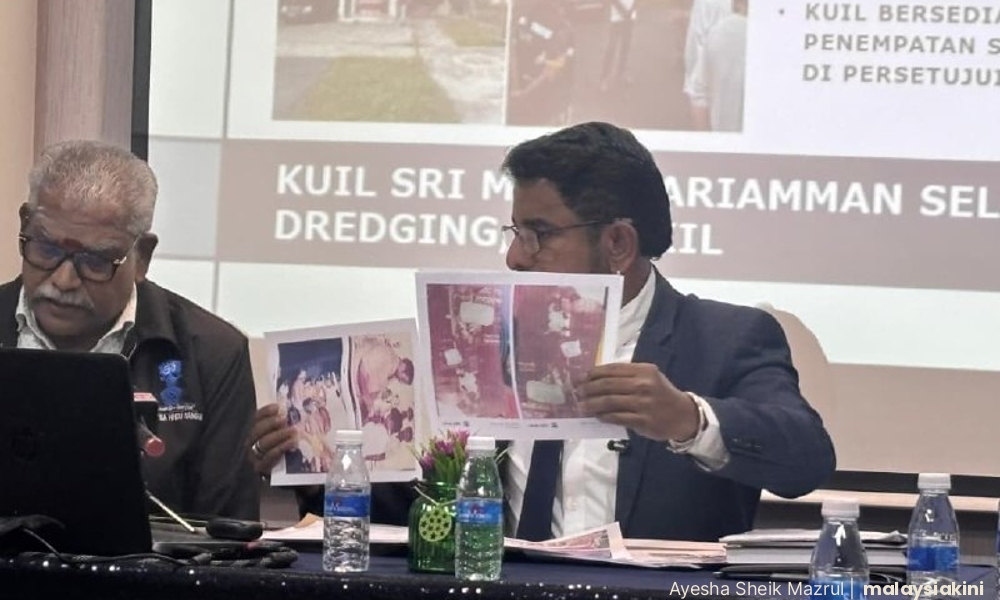
Arun said the temple had not received any formal eviction notices and only learned of the eviction through social media.
“We have reached out to the landowner’s lawyers to have the notice properly served to us. The Feb 5 eviction is a no-go. If the owner wishes so, he can file a case for eviction,” he added.
He also dismissed electricity theft allegations, saying Suhaili had granted permission for the connection. The temple has had electricity since the 1970s, he added.
Finalise replacement land
The Tepat chairperson stressed that their demand is straightforward: for the state authorities to gazette and formalise the replacement land that had already been allocated to the temple 29 years ago.
“We are here today with the hope that the Selangor state government and the district land office will work together with the temple on the issue of replacement land, as quickly as possible.
“We urge that the best possible effort be made. Why? Because the temple genuinely intends to hand over the land owned by Suhaili to him in a vacant condition. That is our stand,” he said.
Meanwhile, Sri Maha Mariamman Devotees Association chairperson Pramaguru Murugaya said the temple has received local support for the relocation.
“We held discussions with local NGOs and Umno village representatives.
“They agreed with the plans and had no objections to establishing a temple at the new location,” he said, adding he hopes the Selangor government will give a peaceful and swift resolution.
State govts must resolve temple issues
Meanwhile, Malaysia Hindu Sangam president T Genesan urged state governments facing similar disputes to ensure proper approval for long-standing temples.
Most disputed temples were not recently built but date to the British colonial era, he noted.
“The Sri Maha Mariamman Temple in Selangor, for example, it has been here for 60 years.
“We are calling on the state government to take appropriate action to safeguard places of worship and ensure that outsiders do not intervene in Hindu temple affairs,” he said.
Genesan also appealed to the federal government to intervene, if necessary, to prevent obstacles in temple relocation or recognition.
Malaysiakini has contacted the Selangor state government for comments.
Temple land disputes
Selangor Islamic affairs and cultural innovation committee chairperson Fahmi Ngah said earlier this week that land disputes involving non-Muslim houses of worship must be resolved through a harmonious and prudent approach.
Such matters should not involve confrontation, which would aggravate tensions, he said.
One case involves a temple replacement site in PJS 4, Petaling Jaya, allegedly encroaching on an Islamic burial ground originally zoned for a surau.
The “illegal” temple issue gained prominence last year when the proposed relocation of the Dewi Sri Pathrakaliamman Temple near Jalan Masjid India sparked debate over the legal status of Hindu temples.
The project would require the relocation of the temple, which remains at its original location along Jalan Bunus Enam, opposite Jakel Mall. Preservation advocates cite its colonial-era origins and generational significance. - Mkini

No comments:
Post a Comment
Note: Only a member of this blog may post a comment.