


As the Philippines takes up the 2026 Asean chairmanship, ongoing tensions along the Cambodia-Thailand border have renewed scrutiny of the bloc’s ability to manage conflicts among its members and uphold its role in promoting regional peace and stability.
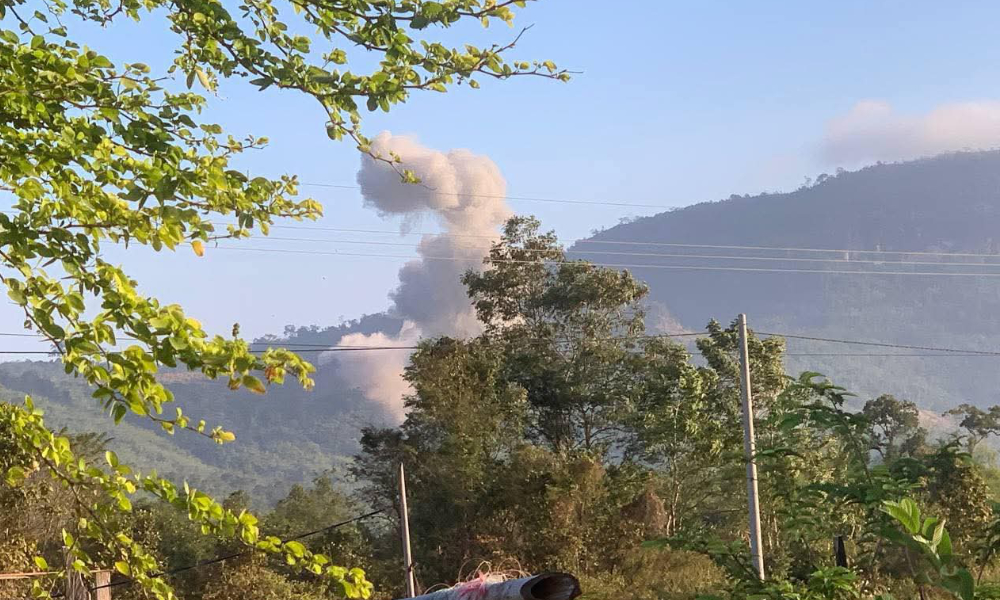
Long-standing disputes over an 800km stretch of border territory have led to intermittent lethal conflict between Cambodia and Thailand.
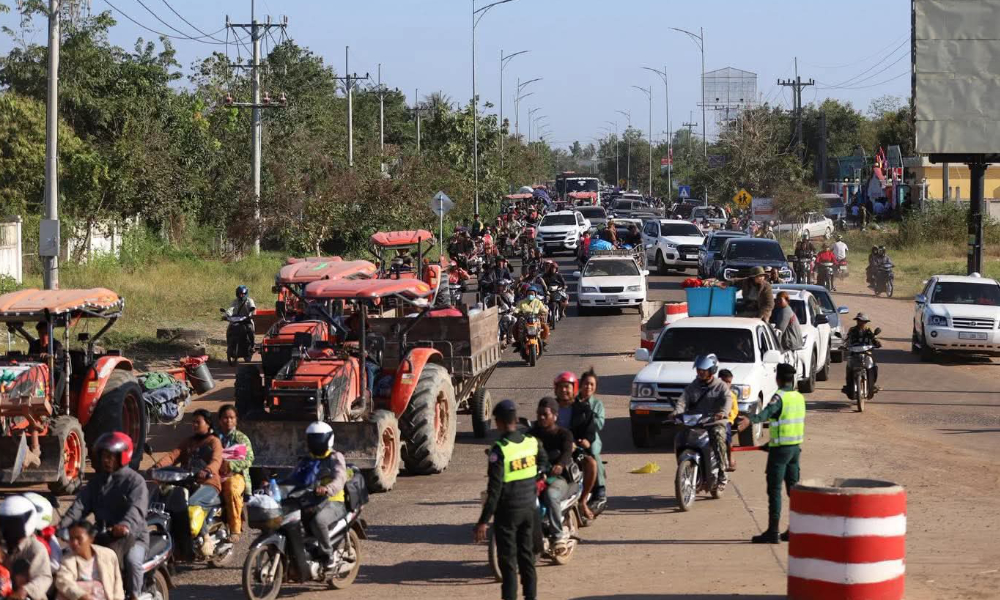
The latest hostilities have escalated deep into Cambodia’s interior, resulting in significant casualties and a humanitarian crisis involving nearly one million displaced persons.
Cambodian analyst Panhavuth Long said the border tensions have affected Asean’s image as a bloc committed to peace.
“When member states experience open confrontation, it raises doubts about Asean’s internal cohesion and its ability to uphold its norms.
“Even if such disputes remain bilateral, they have reputational consequences for Asean as a whole,” he said.
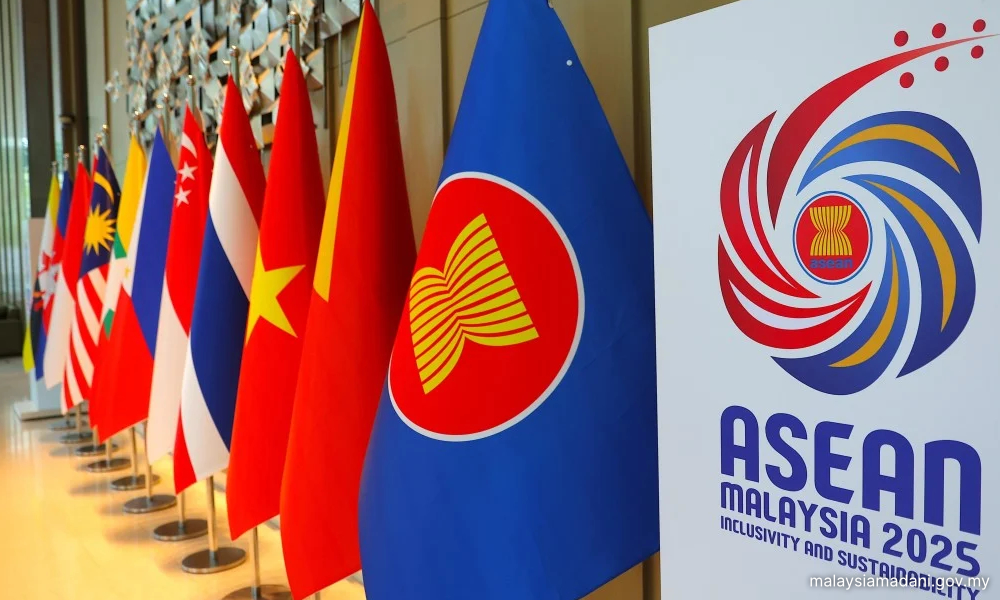
The dispute can be viewed both as an embarrassment and as a test for Asean, he added.
“They are embarrassing because they highlight the gap between Asean’s rhetoric and its limited enforcement capacity.
“At the same time, they test whether Asean’s conflict-management mechanisms, such as chair-led diplomacy, quiet mediation and consultation frameworks, can function effectively.
“If Asean helps contain the dispute and support de-escalation, it may reinforce its credibility. If it remains passive, Asean risks being perceived as ineffective,” Long said.
External actors
On the role of external actors, Long said outside involvement could help reduce tensions but must not sideline Asean.
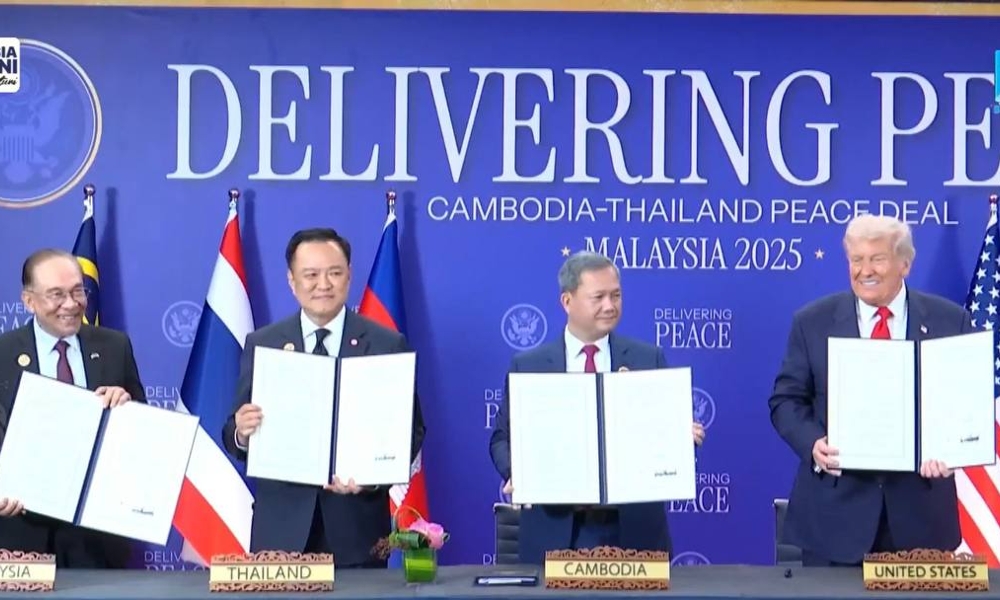
“External actors such as the United States may contribute to de-escalation by providing diplomatic leverage or humanitarian support.
“However, heavy external involvement also risks weakening Asean centrality if Asean appears unable to manage regional disputes independently.”
Chhai Bunsonareach, a research associate at the Asian Vision Institute, said Asean centrality in practice is limited by the bloc’s lack of enforcement powers.
“It acts as a convener and norm-setter for wider regional processes, following the ‘Asean way’ of informality, consensus, non-interference and mutual respect.”
Bunsonareach said that binding settlements are usually pursued outside Asean mechanisms.
“When disputes escalate, Asean offers venues, statements, and sometimes observers, while binding settlements are pursued bilaterally or through bodies, like the International Court of Justice,” he said.
Bunsonareach added that the current tensions have harmed Asean’s reputation, particularly for smaller member states like Cambodia.
He pointed to Asean’s overcautious response, including its decision not to activate the Treaty of Amity and Cooperation High Council, has raised concerns that quiet diplomacy alone may be insufficient to reassure smaller members when a larger neighbour resorts to force.
Resolving disputes
The treaty, signed in 1976, sets rules for peaceful relations among Asean states and includes a high council to resolve disputes, though it is rarely used as members prefer bilateral talks.
He added, however, the joint statement of Dec 27, 2025, shows that a small state can still leverage Asean’s regulations and procedures to support demining, deploy an Asean Observer Team (AOT), ensure a lasting ceasefire, and bind both sides to the UN Charter, the Asean Charter, and the Treaty of Amity and Cooperation.
On external involvement, he said US engagement can support de-escalation if framed within Asean-led efforts.
“US efforts are most beneficial when they are explicitly framed as reinforcing Asean-led processes, such as backing Asean chair statements, observer teams, and de-mining missions, rather than replacing Asean as the main broker,” he said.
US President Donald Trump stepped in to try to bring peace in phone calls made in 2025.
Cambodian govt response
Pen Bona, spokesperson for the Cambodian government, said Malaysia had worked throughout 2025 to facilitate a ceasefire and joint peace efforts.
“Malaysia has tried very hard to have a ceasefire and a joint peace agreement in Kuala Lumpur,” he said, adding that Malaysia also supported the establishment of the AOT.
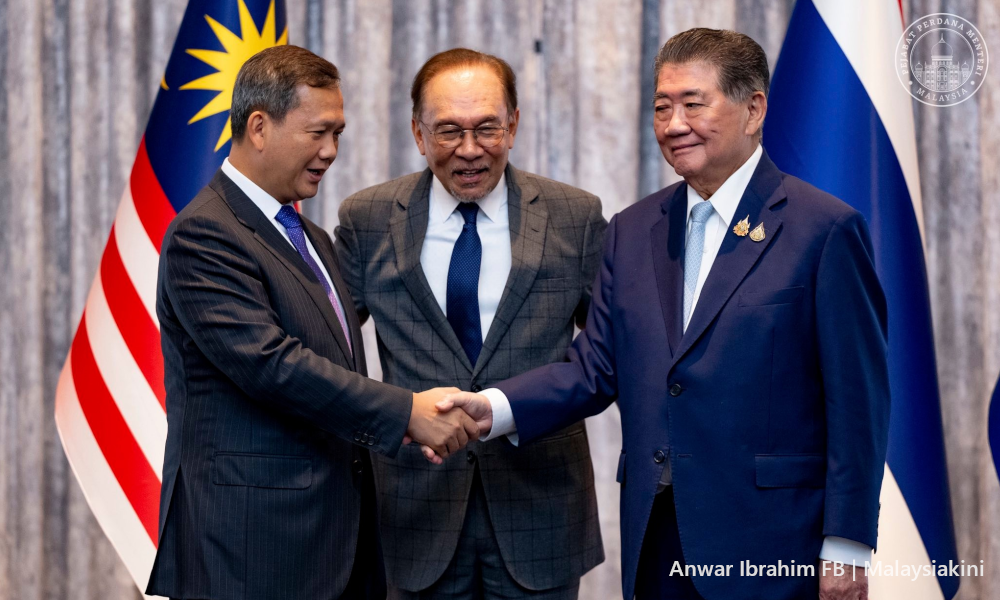
He said Asean foreign ministers met on Jan 29 to discuss the implementation of agreements between Cambodia and Thailand.
“Asean under the Philippines had discussed development and implementation of all agreements between Cambodia and Thailand,” Bona said.
He added that Cambodian Deputy Prime Minister Prak Sokhonn had briefed Asean members on developments.
“Sokhonn has informed all Asean members about the situation between Cambodia and Thailand, how the problems evolved and some issues about refugees,” he said.
Bona said Philippine Foreign Secretary Theresa Lazaro confirmed Manila’s role in implementing the joint declaration.
“She confirmed that she is prepared to facilitate and monitor the Dec 27, 2025, joint declaration to be effective,” he said, adding that “the Philippines has also taken the chairmanship of the AOT from Malaysia”. - Mkini
This article is the second in a four-part series by Southeast Asian newsrooms exploring key issues faced by Asean as the Philippines takesover the Asean chair for 2026.

No comments:
Post a Comment
Note: Only a member of this blog may post a comment.