


The recent decision by the Home Ministry to ban several books linked to communism, including a translated work on former Chinese leader Mao Zedong, once again reveals an old national reflex; when confronted with controversial ideology, the state turns to prohibition rather than understanding.
The latest bans reportedly include a Malay-language book on Mao, along with memoirs and historical works related to leftist movements in Malaya.
Malaysia has long treated communism as an exceptionally sensitive subject, shaped by historical memories of insurgency, political violence, and the Emergency era.
But history alone cannot justify permanent intellectual fear.
As someone who teaches politics and international relations, I find such bans deeply troubling, not because one must agree with communism, but because ideology itself is central to political education.
To understand politics, students must understand ideas. Liberalism, conservatism, socialism, nationalism, fascism, anarchism, feminism, Islamism, environmentalism, and yes, communism, are all part of the history of political thought.
A society that bans engagement with one ideology often weakens its ability to understand all ideologies.
We cannot teach global politics seriously while erasing one of the most influential political traditions of the modern world.
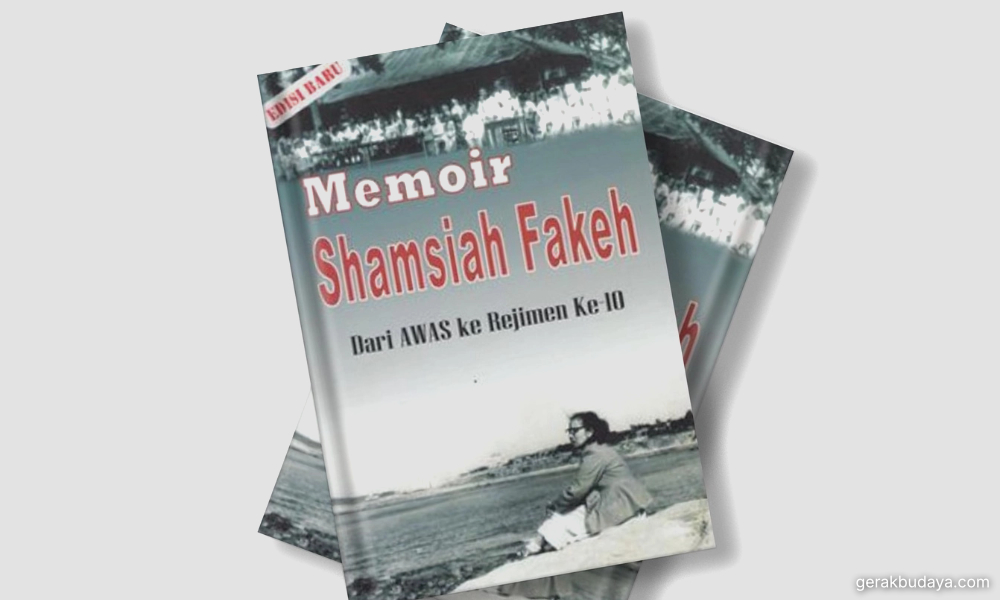
Whether one supports or opposes it, communism shaped the 20th century. It influenced revolutions in Russia, China, Vietnam, and Cuba.
It shaped anti-colonial struggles, labour movements, Cold War geopolitics, welfare debates, class politics, and state development models. The rise of the Cold War cannot be understood without communism. Nor can the history of Southeast Asia.
Even Malaysia’s own political history cannot be properly understood without studying the Malayan left, trade unions, people’s mobilisation, and the Malayan Communist Party. To censor texts on these subjects is to encourage historical amnesia.
Glaring irony
There is also an irony worth noting. Malaysia maintains close diplomatic and economic ties with China, and official visits frequently celebrate friendship, trade, and strategic cooperation.
Yet when one visits China, the legacy and symbolism of Mao remain deeply embedded in public history, political imagery, and national narrative.
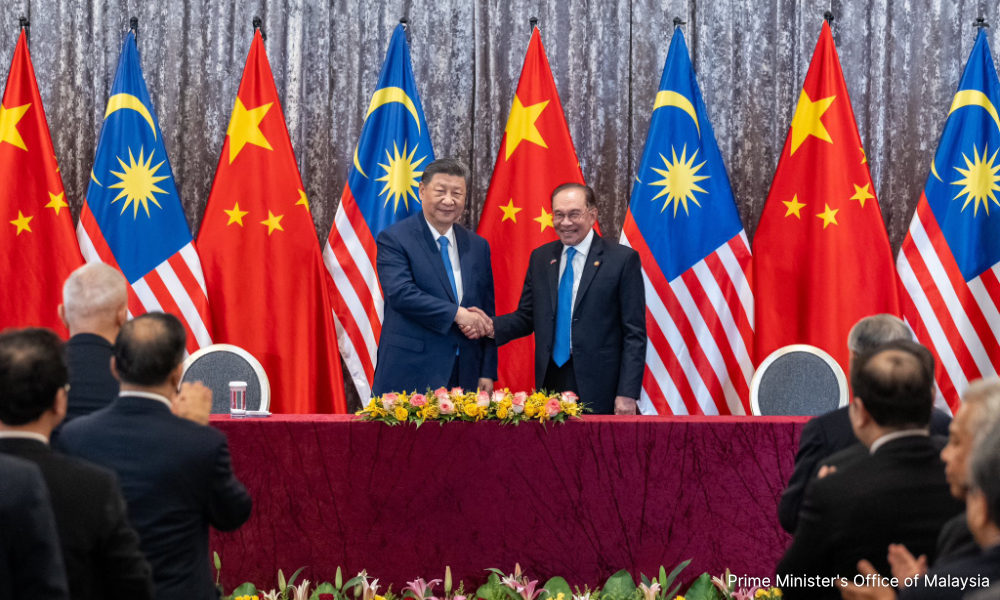
At home, however, even reading about Mao in translation can invite prohibition. We are willing to engage the state shaped by that history, but reluctant to study the ideas and figures that helped shape it.
This raises a more uncomfortable question. What exactly is communism in the Malaysian imagination?
Is communism merely armed insurgency? Is it the legacy of jungle warfare and national trauma? Is there any discussion of class inequality? Is it admiration for Karl Marx?
Or is it owning a book? Is it reading about Mao? Is it asking why workers remain economically vulnerable? Too often, “communism” becomes a vague label used not as a concept, but as a warning. That vagueness is dangerous.
The irony is that banning books often gives them more mystique than reading them ever would.
Students encountering Mao or Marx in a classroom do not automatically emerge radicalised. More often, they leave with a deeper understanding of history, ideology, and the political forces that have shaped the modern world.
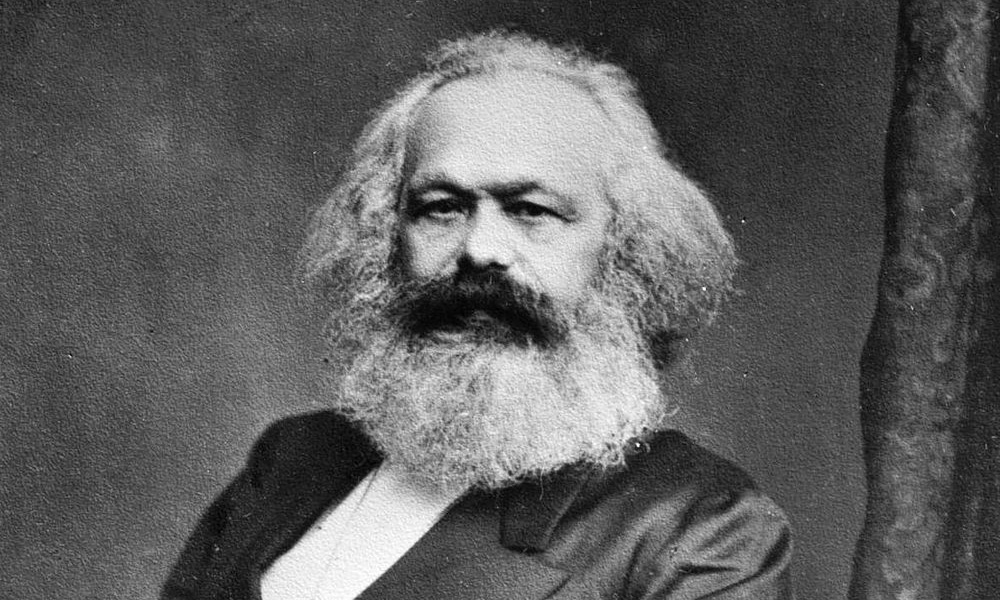
They learn to compare systems, critique assumptions, examine failures, and understand why certain ideas gained mass appeal in particular historical moments.
They also learn why many communist regimes became repressive, bureaucratic, or economically unsustainable. That is what education does: it contextualises.
When states suppress texts, they imply that citizens cannot think critically for themselves.
Educational gaps
There is also a wider educational problem here. Malaysia already suffers from insufficient exposure to political philosophy in public discourse.
Many citizens discuss politics through personalities, patronage, ethnicity, religion, or scandal, but less often through structured ideological debate.
What is justice? What is equality? What is freedom? What is the role of the state? What should markets be allowed to do? How should wealth be distributed? These are classic philosophical questions. Communism, whatever one thinks of it, was one attempt to answer them.
To remove such debates from public intellectual life is to impoverish political culture.
A mature democracy should trust its citizens enough to let them read difficult books. Reading a text does not equal endorsing it.
If that were true, every student of fascism would become fascist, and every reader of war history would become militarist. We study ideas precisely so we can assess them, challenge them, and learn from their consequences.
Malaysia today aspires to stronger universities, globally respected scholarship, and a more confident society. Those aspirations ring hollow when books remain suspect objects.
Universities cannot be world-class if intellectual boundaries are drawn by political anxiety.
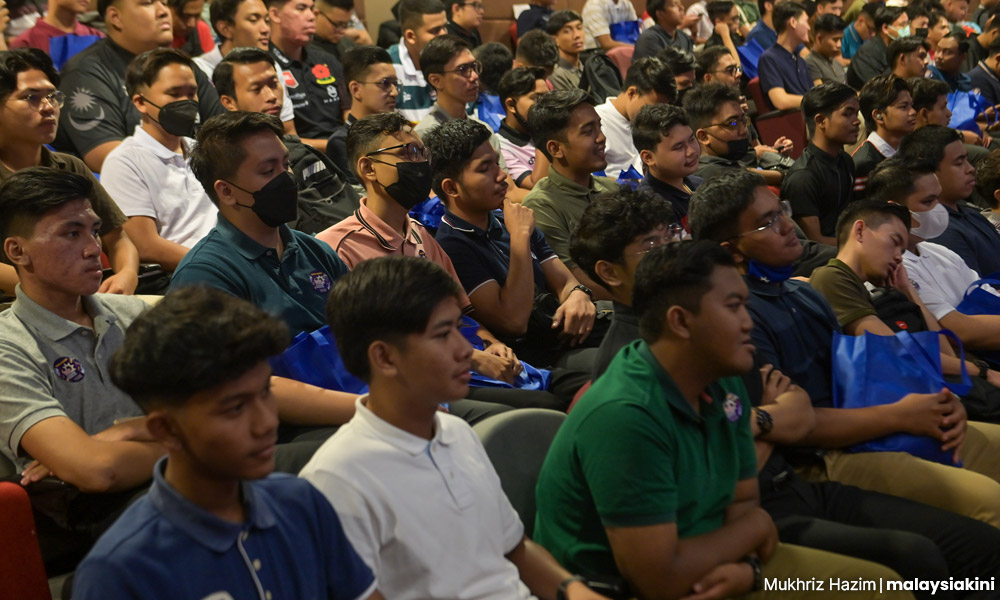
To be clear, defending the freedom to read communism is not defending communism. It is defending the freedom to understand history, interrogate power, and educate citizens.
The real issue is not Mao, Marx, or old insurgencies. It is about whether Malaysia still believes ideas are so dangerous that they must be hidden.
If we fear books more than ignorance, then we have misunderstood both communism and education. - Mkini
KHOO YING HOOI is an associate professor at Universiti Malaya.
The views expressed here are those of the author/contributor and do not necessarily represent the views of MMKtT.

No comments:
Post a Comment
Note: Only a member of this blog may post a comment.