

Chief children's commissioner calls for dedicated body to oversee alternative learning centres so students can sit for public exams.
Farah said the estimate is based on UNHCR registration figures showing that there were 200,260 refugees as of May 2025, Berita Harian reported.
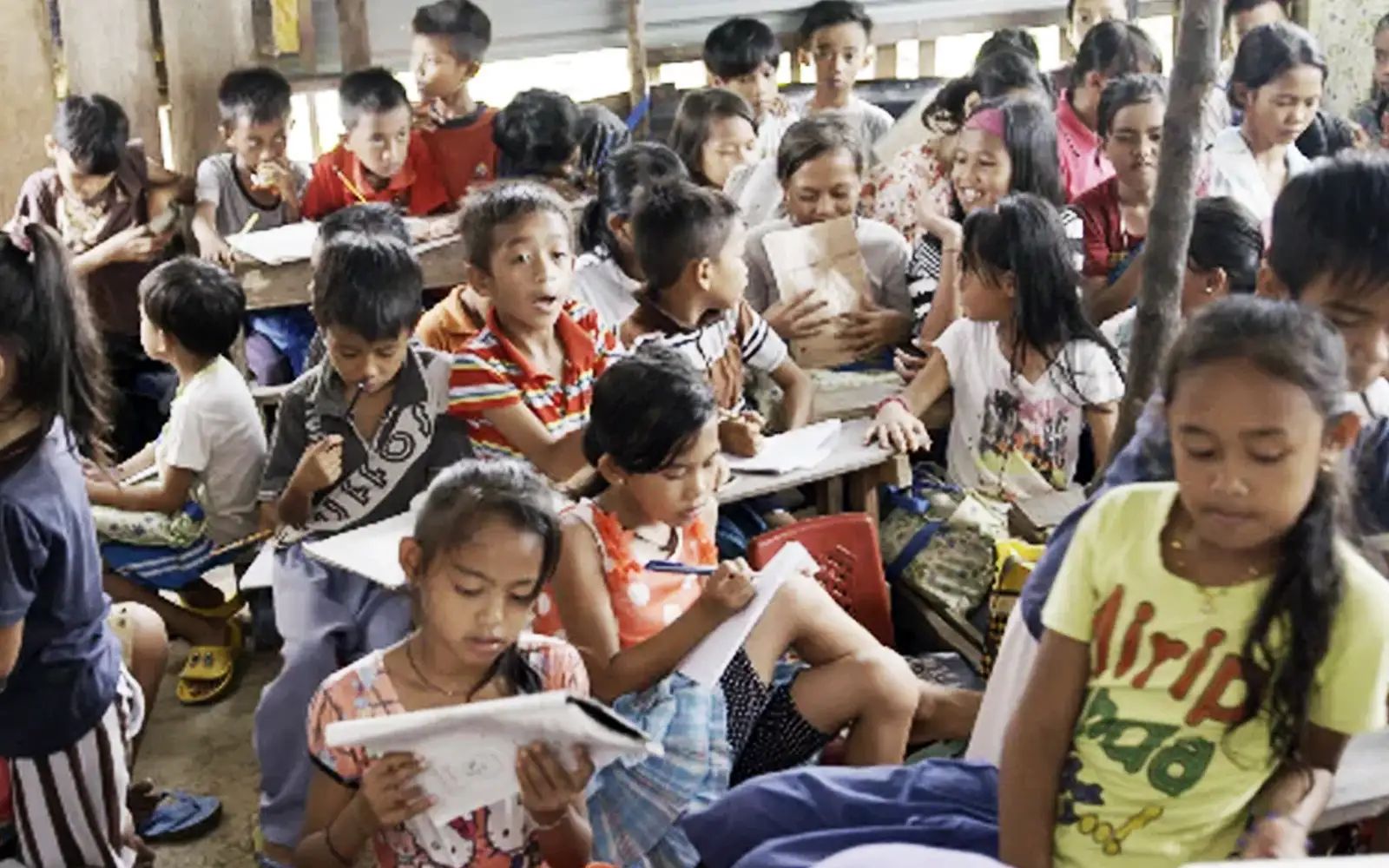
She said the situation is concerning, as access to education is crucial for children’s survival and long-term human capital development.
“Data also shows that out of 34% of registered refugee children at the alternative learning centre, two-thirds of them still have no access to any form of formal education,” she was quoted as saying while presenting a paper at the 2026 Islam and Humanity Symposium in Kuala Lumpur today.

To address this issue, Farah proposed that the government establish a dedicated body to monitor and recognise alternative schools to allow refugee students to sit for public examinations such as the Sijil Pelajaran Malaysia.
“This recognition will enable the quality of education at alternative learning centres to be standardised, thereby adding value to their learning for the future,” she said.
Farah also highlighted gaps between Malaysia’s international commitments and domestic implementation.
She said that although Malaysia acceded to the Convention on the Rights of the Child in 1995, its reservation to Article 28(1)(a) limits access to compulsory free primary education to citizen children.
“This contradicts the spirit of Article 3 of the Education for All Declaration (1990) that we support,” she said, adding that existing education policies are not fully applicable to refugees.
She suggested that Malaysia consider Thailand’s model, which amended its Civil Registration Act in 2008 to ensure that every child born there receives an official birth certificate for access to health and education, regardless of their parents’ status. - FMT

No comments:
Post a Comment
Note: Only a member of this blog may post a comment.