

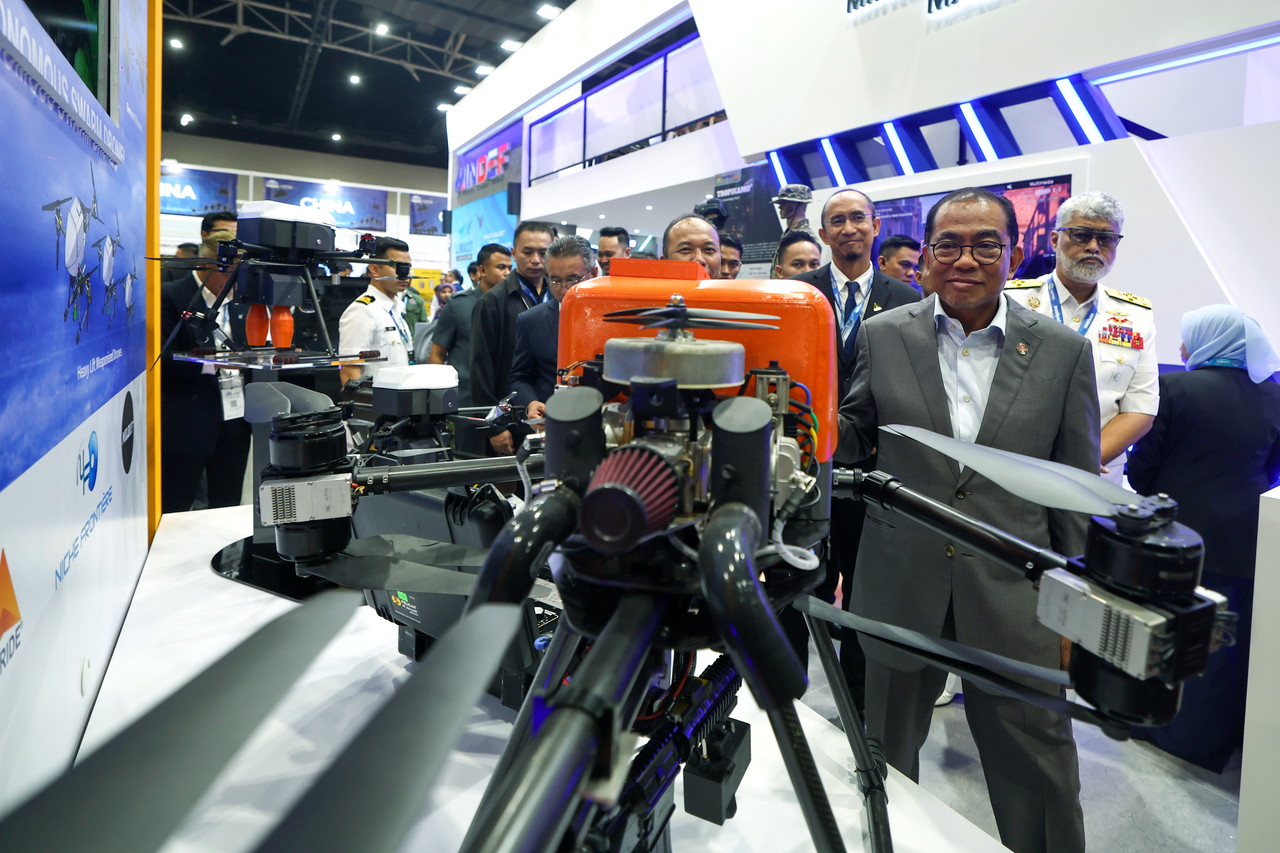
WHEN Defence Minister Datuk Seri Mohamed Khaled Nordin warned that emerging technologies are reshaping military power, it should not be read as a cause for alarm, but as a clear signal to adapt quickly.
The traditional rules of global security are shifting. Military strength is no longer defined solely by the size of warships or fighter jet fleets. Today, agility, systems integration, and technological sophistication are equally critical.
For Malaysia, where defence budgets are constrained, this shift represents not a disadvantage but a strategic opportunity.
The conventional path to military capability is capital-intensive, relying on advanced aircraft, submarines, and heavy armoured platforms. However, this model is increasingly being supplemented, and in some cases disrupted, by new technologies.
Artificial intelligence, autonomous systems, cyber capabilities, and low-cost scalable platforms are reshaping how modern militaries operate.
The concept of “attritable mass” is particularly relevant. It refers to the use of lower-cost, expendable systems that can be deployed at scale without the financial burden of traditional platforms.
This approach allows smaller nations to expand operational reach without unsustainable spending.
For Malaysia, the strategic question is not how to match major powers such as the United States or China asset for asset, but how to build a more focused and efficient defence posture.
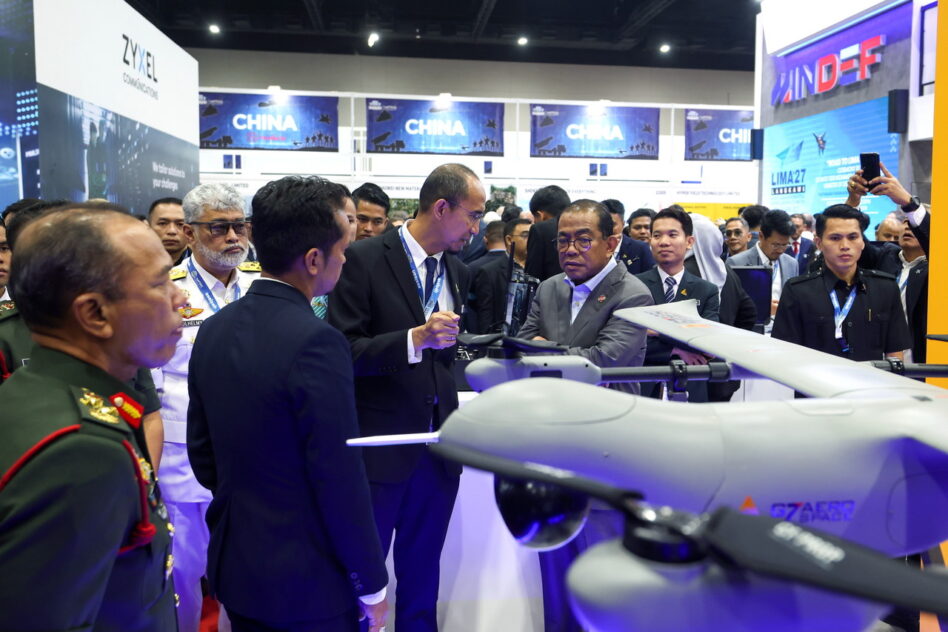
Investment in low-cost, high-impact technologies such as surveillance drones, AI-enabled command systems, and cyber defence infrastructure should be prioritised. These are no longer future capabilities; they are current necessities.
A key principle should be dual-use development. Technologies deployed for defence purposes can often deliver civilian benefits as well.
For example, drone systems used for border surveillance can also support agricultural monitoring, while AI tools developed for defence logistics can enhance healthcare diagnostics or disaster response.
In a resource-constrained environment, this kind of convergence improves efficiency and national return on investment.
Modernisation does not necessarily require wholesale replacement of existing systems. Incremental upgrades, such as integrating advanced sensors, communication systems, and data analytics into legacy platforms, can significantly enhance capability at a fraction of the cost of new acquisitions.
However, technology acquisition alone is insufficient. Malaysia must also strengthen its domestic innovation ecosystem.
Overreliance on foreign suppliers creates strategic vulnerability, particularly in times of geopolitical tension. Investment in local research capacity, defence-related startups, and partnerships with established innovators is essential.
Countries such as South Korea and Türkiye offer useful examples of how defence-industrial capability can be developed progressively over time.
Geographically, Malaysia occupies a strategically significant position along the Strait of Malacca, one of the world’s most important maritime trade routes.
Instead of relying solely on conventional naval expansion, Malaysia can leverage advanced surveillance systems, unmanned platforms, and real-time data integration to enhance maritime security.
In contemporary security environments, information dominance can be as critical as physical control.
Malaysia also has the potential to play a constructive role in shaping emerging norms around defence technology governance. Issues such as autonomous weapons systems, artificial intelligence in warfare, and cyber conflict regulation remain underdeveloped at the global level.
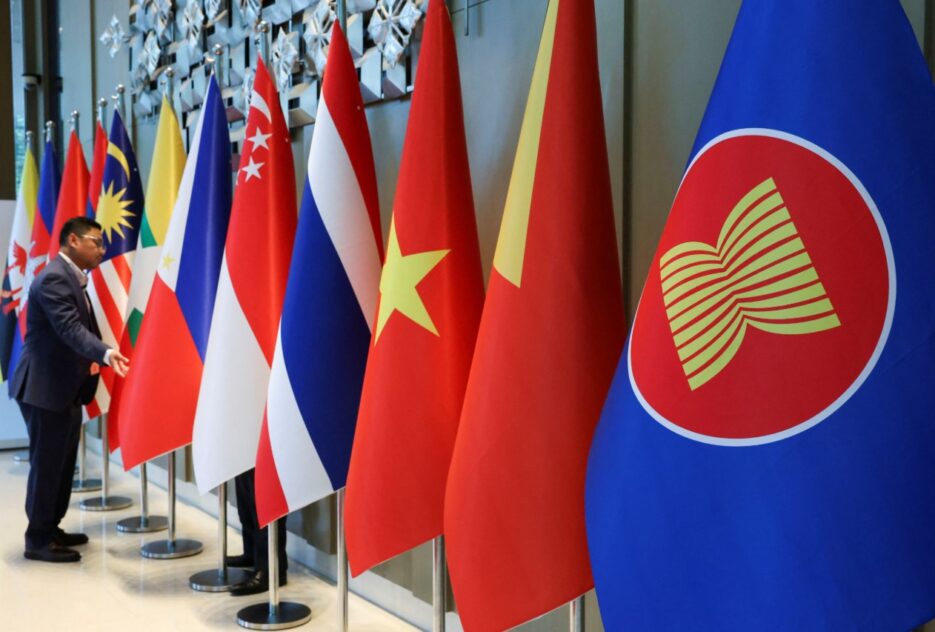
By advocating for ethical frameworks, transparency, and regional cooperation, Malaysia can strengthen its diplomatic influence within ASEAN and beyond.
At the same time, asymmetric capabilities such as cyber defence, electronic warfare, and intelligence fusion offer cost-effective means of strengthening deterrence. These tools reward innovation and strategic thinking rather than scale alone.
None of these developments will succeed without investment in human capital. Technology is only as effective as the people who design, operate, and adapt it.
Strengthening education and training in artificial intelligence, cybersecurity, systems engineering, and strategic studies is therefore essential to sustaining long-term capability.
Ultimately, the challenge is not financial but conceptual. Defence planning must move beyond platform accumulation and toward systems integration and capability optimisation. The focus must shift from what is owned to how effectively it is used.
Emerging technologies are not only changing the nature of power; they are redistributing it. Countries that adapt quickly and strategically will find new avenues of influence, regardless of size or budget.
Malaysia is currently at such a crossroads. With clear priorities and disciplined execution, technological constraints can be transformed into strategic advantage and long-term resilience.
KT Maran is a Focus Malaysia viewer.
The views expressed are solely of the author and do not necessarily reflect those of MMKtT.
- Focus Malaysia.

No comments:
Post a Comment
Note: Only a member of this blog may post a comment.