

MALAYSIA’S fuel subsidy bill is approaching a breaking point. If the ongoing tensions in the Middle East persist, the government may struggle to sustain subsidies for petrol and diesel beyond the next few months.
Even if conditions stabilise, a return to normalcy in West Asia is unlikely before the end of the year. Continuing to spend billions on fuel subsidies will inevitably force cuts in other critical sectors that support economic growth.
Malaysia is also a heavily car-dependent nation. In many households, owning three to five vehicles is not unusual, and private transport accounts for a significant share of fuel consumption.
With only a small proportion of vehicles running on electricity, the government must consider targeted measures to curb unnecessary fuel use without undermining essential mobility.
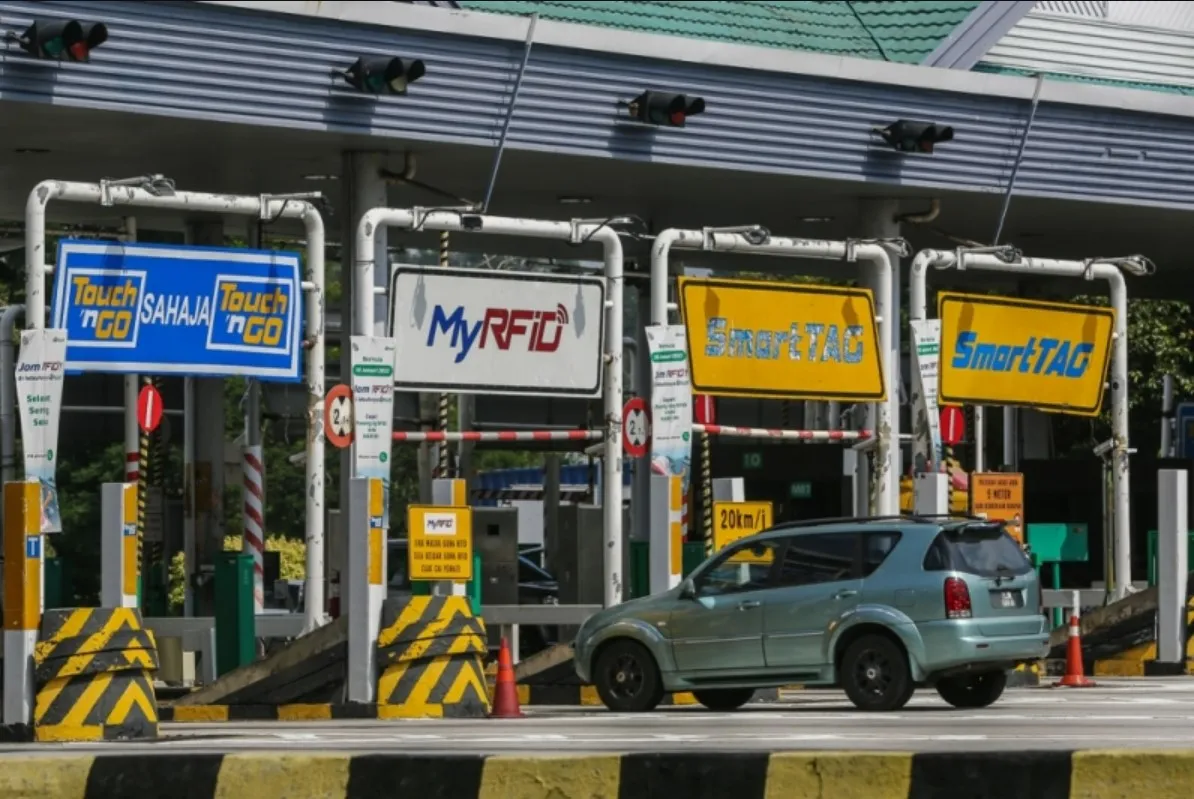
One practical option is to increase toll rates for private vehicles during late-night hours, for example between 8pm and 5am. A temporary increase of around 50% could serve as a demand-management tool, discouraging non-essential travel while preserving road access for those who truly need it.
The government already has the mechanism to adjust toll rates in consultation with highway concessionaires. During festive seasons, tolls are often reduced or waived, with the government compensating operators for lost revenue.
In contrast, increasing tolls would not require such compensation and could even generate additional revenue, while achieving the policy objective of reducing fuel consumption.
Crucially, exemptions should be granted to public and commercial transport. Express and tourist buses, as well as lorries transporting goods, must be shielded from higher tolls to avoid disrupting supply chains and increasing the cost of living.
It is worth asking why major highways remain busy even late at night. Much of this travel is discretionary. With widespread smartphone use and the growing acceptance of remote work, many trips can be avoided or rescheduled.
Carpooling, once common, could be encouraged again, while greater use of public transport such as buses, MRT, LRT, and commuter trains should be incentivised.
The savings from reduced fuel consumption could then be redirected toward more targeted support. Assistance for lower- and middle-income groups, small and medium enterprises, and other vulnerable sectors would deliver far greater economic value than broad, untargeted fuel subsidies.
This is not a call for hardship, but for calibration. A modest sacrifice in convenience, particularly for late-night discretionary travel, can help the country navigate current economic pressures without significantly affecting livelihoods or growth.
In times of strain, smart policy is not about doing less, but doing things more precisely. Increasing nighttime tolls is one such measure: targeted, practical, and aligned with Malaysia’s long-term fiscal health.
V. Thomas is a Focus Malaysia viewer.
The views expressed are solely of the author and do not necessarily reflect those of MMKtT.
- Focus Malaysia.

No comments:
Post a Comment
Note: Only a member of this blog may post a comment.