


In the Negeri Sembilan state election, Chennah has emerged as one of the most closely watched constituencies, not because of its size, but because of what it represents in Malaysia’s broader political landscape.
More significantly, it will test whether an incumbent with a strong service record and national stature can continue expanding support in an increasingly competitive political environment.
Chennah has attracted attention for several reasons. First, it is being contested by Transport Minister and DAP secretary-general Anthony Loke Siew Fook, who is seeking re-election as the incumbent state assemblyperson.
His candidacy gives the contest significance well beyond the constituency.
Second, the race is a straight fight with MCA’s Siow Kong Choon, avoiding the uncertainty of a multi-cornered contest.
Third, Chennah’s nearly even split between Malay and Chinese voters means victory depends on broad, cross-ethnic support - a formula Loke has demonstrated over the past three elections.
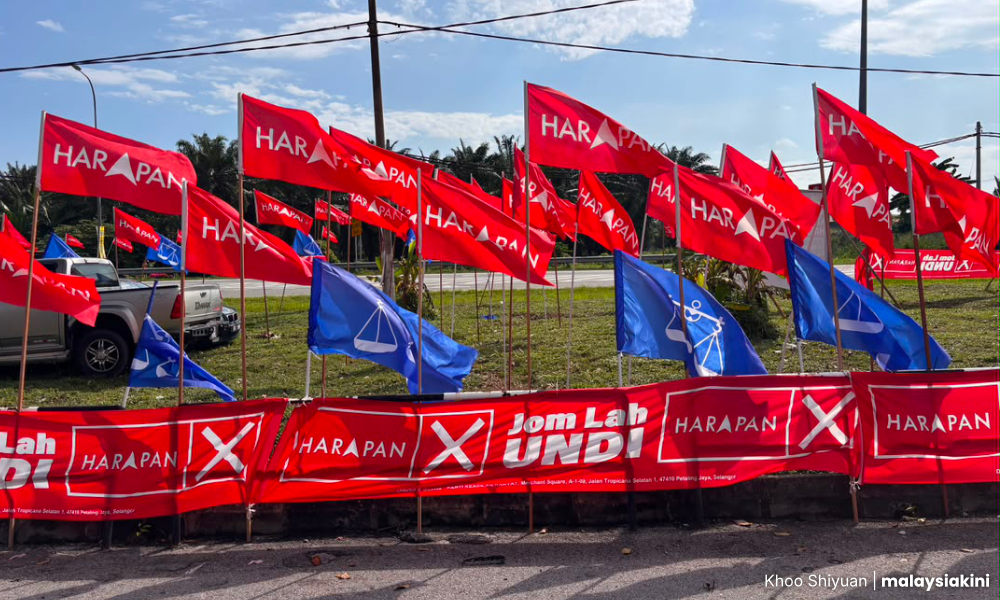
With about 14,422 registered voters, Chennah has about 48.49 percent Malay voters, 42.57 percent Chinese voters, two percent Indian voters, and 6.93 percent voters from other communities.
The constituency’s demographic balance means no candidate can realistically rely on support from a single ethnic community.
Loke’s ability to transcend ethnic boundaries and build support across communities has become one of his defining political strengths.
Loke’s three-term advantage
Loke enters this state election with a record that is difficult to match at the state constituency level.
He won Chennah in 2013 with a majority of 1,098 votes, increased his majority to 1,155 votes in 2018, and further expanded it to 2,200 votes in the 2023 state election when he secured 5,888 votes against the Perikatan Nasional candidate.
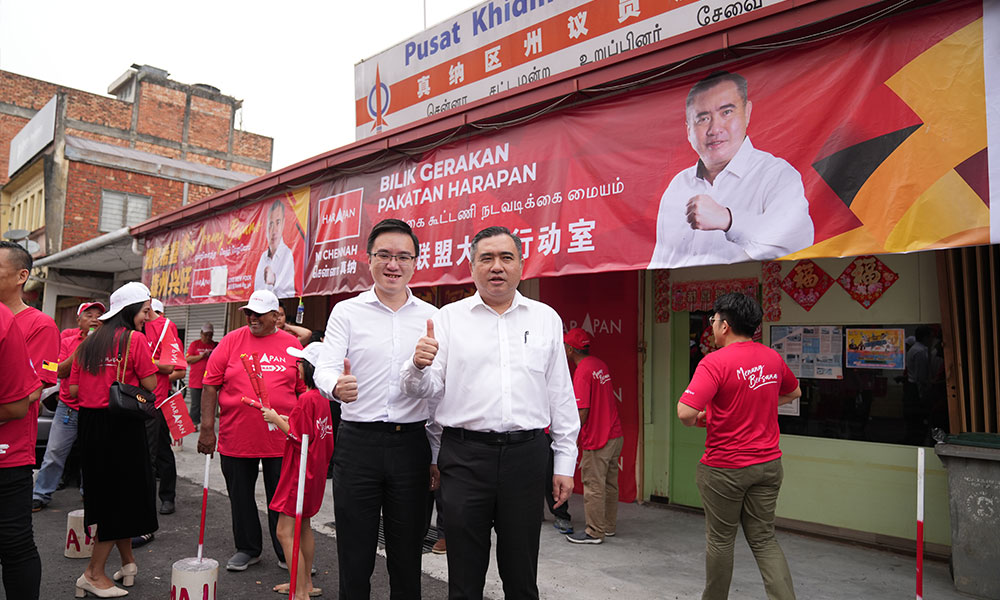
The consistent increase in his majority suggests growing voter support over successive elections.
Loke’s strength comes from three mutually reinforcing factors. First, his high national visibility as a party leader and cabinet minister allows him to attract greater attention and resources to the constituency.
Second, he has built a decade-long track record of grassroots service, supported by his accessibility and ability to resolve local issues effectively.
Third, there is a widespread perception that he remains approachable and sincere in his engagement with ordinary voters.
Importantly, Loke has also demonstrated that Malay support in his constituency has increased over successive elections, contributing to the expansion of his electoral majority.
The combination of national influence and local commitment provides Chennah voters with a unique advantage.
As transport minister and DAP chief, Loke has direct access to national decision-making channels and the ability to elevate local concerns to the highest levels of government.
This means Chennah voters are represented not only by an assemblyperson focused on local issues, but also by a national leader who can mobilise federal attention and resources for state development.
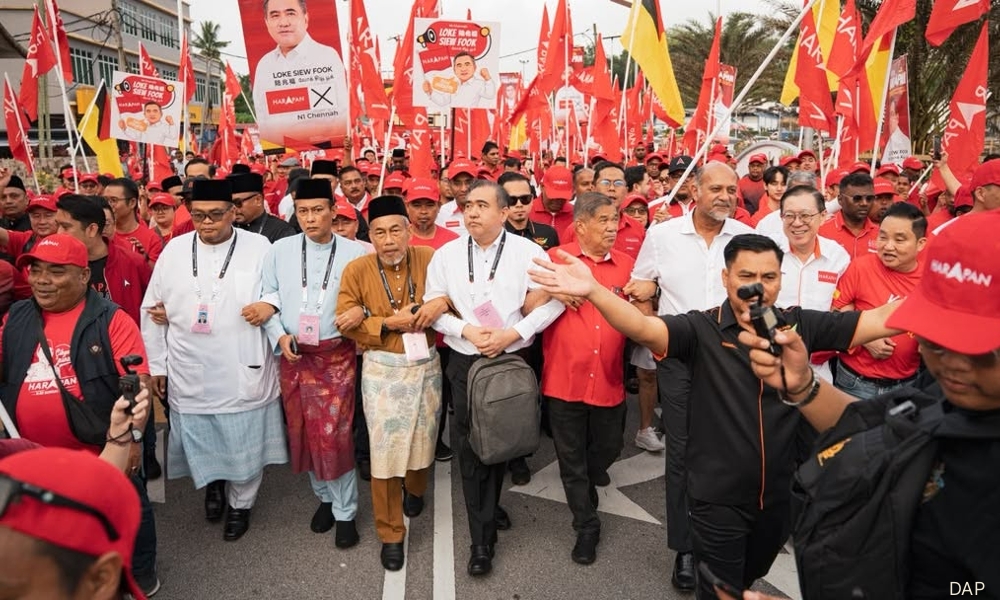
Such a combination is relatively uncommon among state seats in Negeri Sembilan and contributes to Chennah’s unique political character.
Cross-ethnic challenge
MCA candidate Siow Kong Choon enters the contest with a different narrative - that of a local candidate who can dedicate full-time attention to constituency matters.
While that argument has some appeal, voters are likely to judge it against their experience with an incumbent who has balanced national responsibilities with active constituency service.
The contest is therefore less about physical presence than about who can deliver better outcomes.
Three terms of consistent service create considerable political goodwill. To overcome that advantage, a challenger must offer more than promises of greater accessibility.
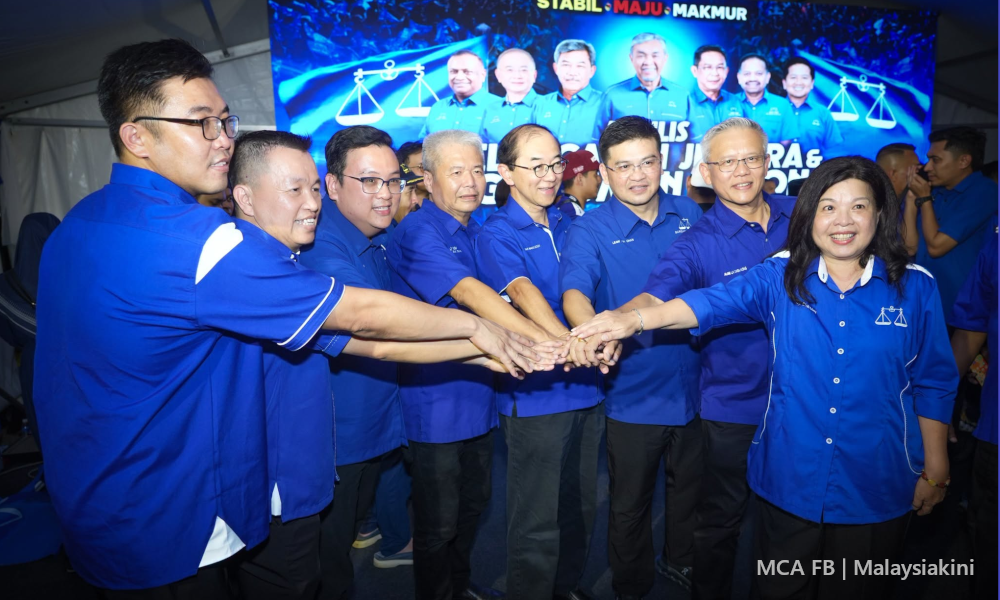
At the same time, MCA faces a broader challenge of political identity in the current landscape.
Within the context of BN-PN cooperation surrounding the Chennah contest, MCA must convince voters that it remains relevant in a mixed constituency and that it can still attract sufficient non-Malay support.
One of Loke’s most significant achievements in Chennah has been building cross-ethnic support through sustained grassroots engagement and an approach that prioritises the needs of all constituents.
Malay voters in Chennah can be divided into several groups, but the most important segment comprises pragmatic voters who judge candidates by performance rather than party identity. This group often decides the outcome in mixed constituencies.
Loke’s ability to expand their support over three terms suggests his approach has gained acceptance. Malay sentiment in Chennah is therefore better understood as support based on delivery and performance.
Limits of BN-PN cooperation
BN-PN cooperation could influence Malay voting patterns in Chennah, particularly as MCA faces challenges in securing Chinese support.
A coordinated BN-PN strategy may help consolidate some Malay votes behind the MCA candidate and improve its competitiveness. However, such cooperation does not automatically translate into votes.
In a mixed constituency like Chennah, Malay voters are also influenced by factors beyond party alignment. The key question is whether BN-PN cooperation can persuade pragmatic Malay voters who have backed Loke because of his track record.
This shows that cross-ethnic politics in Chennah is more than a slogan - it is an electoral reality tested repeatedly at the ballot box.
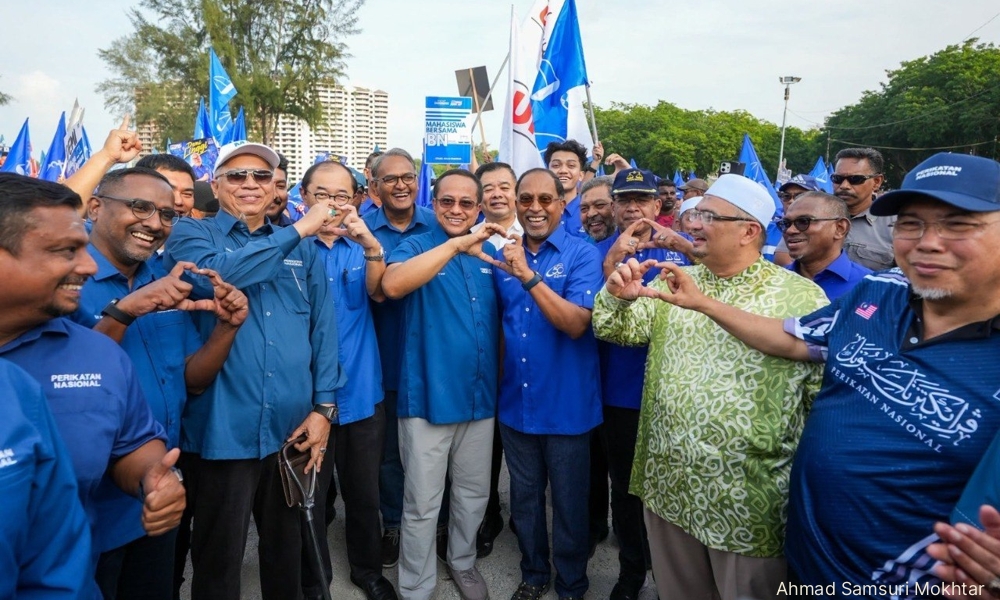
The steady increase in Loke’s majority from 2013 to 2023 suggests this model of inclusive politics has gained acceptance across communities.
BN-PN cooperation has created a new political dynamic, but its impact in Chennah is likely to be more limited than in many Johor state constituencies. Chennah has a distinct political character from Malay-majority seats, with voters generally valuing balance and inclusiveness.
If BN-PN cooperation places too much emphasis on ethnic-based narratives, it risks alienating not only non-Malay voters but also pragmatic Malay voters who prefer representatives capable of serving the entire community.
As a result, a political formula that works elsewhere may not necessarily succeed in Chennah. It could even become a disadvantage if perceived as exclusive and inconsistent with the constituency’s diverse identity.
Against this backdrop, Loke’s advantage becomes clearer. He has consistently demonstrated an ability to build support across ethnic communities, an approach that aligns closely with Chennah’s diverse electorate. His inclusive politics reflects the constituency’s political character.
Argument for continuity
Several factors will shape the outcome in Chennah. The first is voter turnout.
In constituencies like this, higher turnout often favours incumbents with strong grassroots networks and established campaign machinery. The second is name recognition and accumulated trust, giving incumbents an advantage that challengers may struggle to overcome during a short campaign.
The third is Chennah’s political identity. The constituency has long favoured representatives who combine grassroots engagement with national influence, rewarding a leadership model seen as capable of delivering results. Any challenger must therefore persuade voters that a different approach would serve them better.
Chennah must also be viewed within the broader context of Negeri Sembilan, where many undecided voters increasingly weigh three factors: the state government’s performance, economic conditions, and cooperation within the ruling administration.
On all three fronts, the government led by caretaker Menteri Besar Aminuddin Harun has a strong case to make.
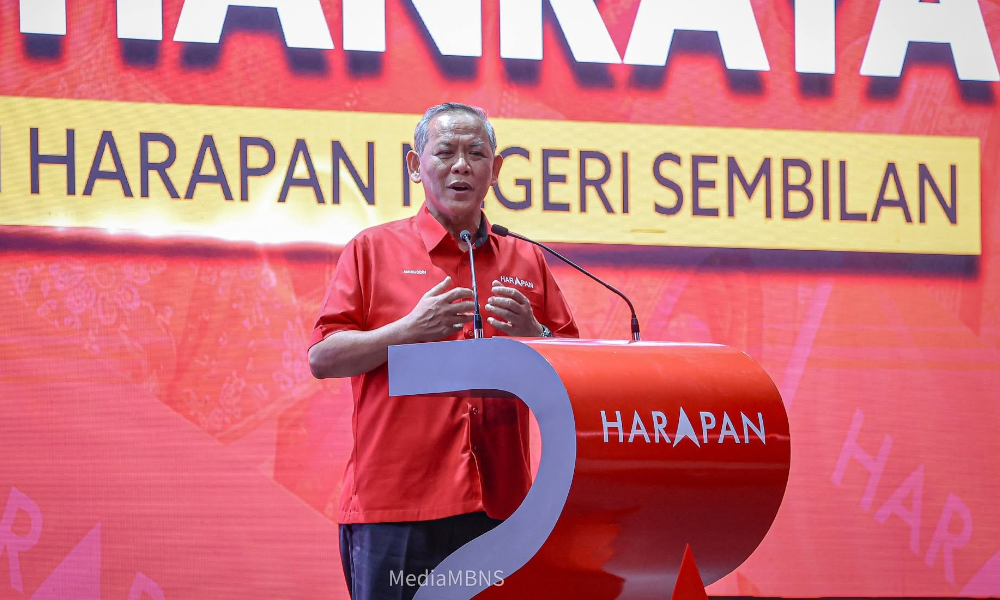
Economically, Negeri Sembilan recorded RM785 million in state revenue in 2025, an 86 percent increase over seven years, while posting budget surpluses for four consecutive years. This strengthens the argument for continuity by giving the government greater capacity to fund welfare programmes and improve public infrastructure.
For voters who value stability and continued development, retaining a leadership team with a proven record of delivery may appear the logical choice. As a key figure in Pakatan Harapan’s leadership, Loke benefits from that narrative of stability.
Negeri Sembilan remains one of Malaysia’s most competitive states, with many seats decided by narrow margins. A successful defence of Chennah would reinforce the appeal of performance-based politics, inclusive governance, and cross-ethnic engagement.
More broadly, victory in Chennah would strengthen a healthier model of Malaysian politics in which cross-ethnic support is built through consistent engagement, and voters reward continuity when it delivers effective governance and tangible results.
National implications
Beyond Chennah itself, the Negeri Sembilan state election carries broader national implications. If BN-PN cooperation delivers a significant breakthrough, some BN leaders may view it as evidence that the model has electoral potential and should be expanded federally.
This could strengthen calls for an earlier dissolution of Parliament, particularly if BN believes momentum from closer cooperation with PN can translate into greater national gains.
In conclusion, the Chennah contest is more than a two-candidate race; it is a test of whether continuity backed by proven performance can withstand a changing political landscape.
Chennah serves as an indicator of Malaysia's evolving politics, testing whether voters in diverse constituencies continue to prioritise inclusive representation, effective governance and proven delivery over broader political realignment - and whether long-term credibility built through service remains stronger than short-term alliances and shifting strategies. - Mkini
OOI HENG is a special function officer in the Transport Ministry. The views expressed in this article are the author’s own personal opinions and do not reflect the official position of any associated entities.
The views expressed here are those of the author/contributor and do not necessarily represent the views of MMKtT.

No comments:
Post a Comment
Note: Only a member of this blog may post a comment.