


The home minister has stressed that United Nations High Commissioner for Refugees (UNHCR) cardholders are not immune from the law, saying their exemption is limited to two offences under the Immigration Act.
Those offences involve overstaying and entering the country without valid documents.
Saifuddin Nasution Ismail said refugees holding valid UNHCR cards could still face prosecution for offences under other laws.
“If they steal, they have still committed an offence. If they drive without a licence, action can also be taken against them.
“The exemption applies only to the two provisions under the Immigration Act,” he told reporters in Perak today.
Saifuddin was responding to a question on safeguards to prevent holders of the Refugee Registration Document (DPP) from remaining in Malaysia indefinitely through repeated renewals, as well as the maximum period they could stay under the system before being repatriated or resettled in a third country.
However, he did not state a maximum period for a person to remain under DPP protection or whether repeated renewals would be capped.
The minister reiterated that the government had introduced the DPP system to register refugees, obtain more accurate data and determine whether applicants genuinely qualified for refugee status.
He said the first group being prioritised comprised some 21,000 immigration detainees, of whom about 4,000 claimed to be refugees.
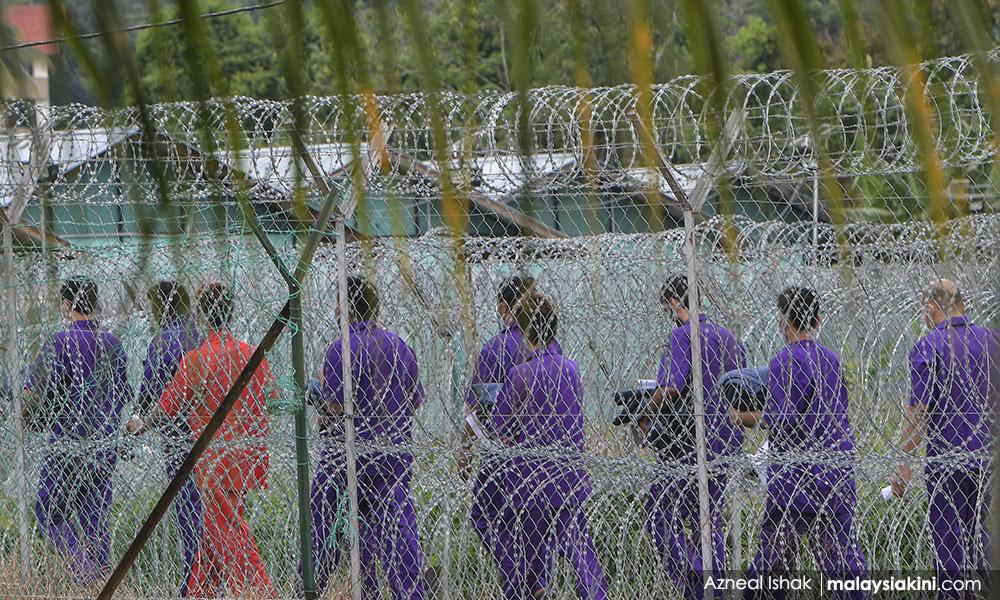
“However, whether they genuinely qualify as refugees will be determined through a verification process.
“They will undergo security screening by the Immigration Department, the police and other relevant agencies.
“Everything will be recorded. This is the process we are implementing,” he said.
He added that the government at present relied on UNHCR estimates that between 190,000 and 200,000 refugees were in Malaysia.
Three possible outcomes
Saifuddin said refugees in Malaysia faced only three possible outcomes.
The first was resettlement in a third country through UNHCR.
The second was repatriation if conditions in their country of origin became safe.
The third involved refugees convicted of criminal offences in Malaysia, who would only be repatriated after completing their sentences.
He said the same options would also apply to DPP holders.
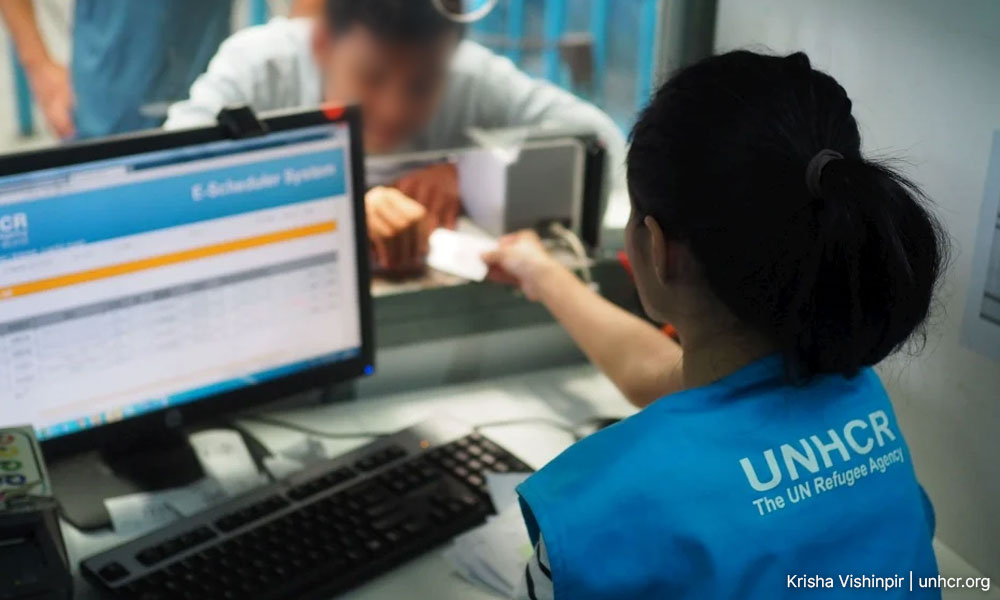
Saifuddin added that the government was not fully satisfied with the existing refugee management by the UNHCR office in Kuala Lumpur, prompting it to establish its own registration mechanism.
Govt taking control of registration
Earlier this week, the government directed UNHCR to temporarily halt new refugee registrations while the government rolled out the DPP system.
Deputy Foreign Minister Lukanisman Awang Sauni said the move was intended to allow Putrajaya to manage refugee data, identity verification and monitoring instead of relying entirely on records maintained by an international organisation.
He said UNHCR could instead focus on facilitating voluntary returns when conditions allowed or securing resettlement in third countries.
The DPP, launched in January, is a government-led refugee registration and identification system.
Its first phase is limited to individuals held in immigration detention centres.
As of February, more than 215,000 refugees and asylum seekers were registered with UNHCR in Malaysia, with Rohingya refugees from Myanmar making up more than half the total.
In recent months, there has also been a surge in online hate speech and misinformation targeting Rohingya refugees in Malaysia, including claims that they were taking jobs and land from Malaysians.
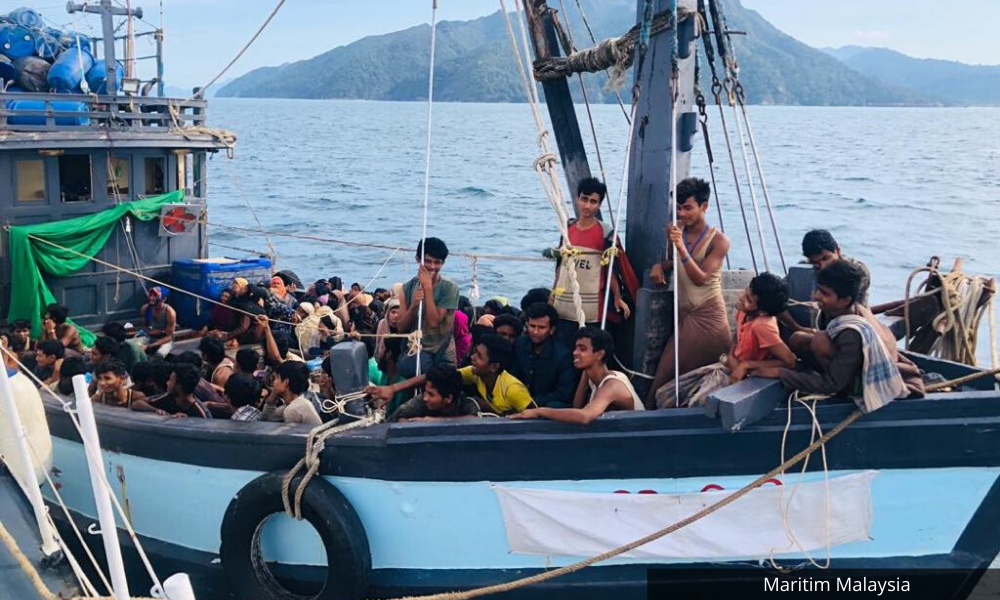
Malaysia is not a signatory to the 1951 Refugee Convention and has no specific law recognising refugees or defining their legal status.
Rights groups have questioned the lack of clarity surrounding the DPP framework, including the criteria for determining refugee status, whether rejected applicants can appeal, how biometric data will be protected and whether applicants could face prolonged detention during verification.
The government has also yet to clarify publicly how long a DPP will remain valid, how often it can be renewed or whether holders will have formal access to work, education and healthcare. - Mkini

No comments:
Post a Comment
Note: Only a member of this blog may post a comment.