


Industry stakeholders have urged Putrajaya to accelerate efforts to diversify Malaysia’s export markets following the United States’ decision to impose a 10 percent tariff linked to forced labour concerns.
Yayasan Nishana chairperson Nivas Ragavan said the move reflected a shifting international export market hampered by uncertainty and protectionist policies.
“The latest US tariff measures on Malaysian exports are a timely reminder that global trade is becoming increasingly uncertain and protectionist.
“This challenge presents an opportunity for Malaysia to strengthen its economic resilience,” he said when contacted by Malaysiakini.
The former Federation of Malaysian Business Association vice-chairperson said Malaysia should seize the opportunity by capitalising on existing trade agreements such as the Regional Comprehensive Economic Partnership and the Comprehensive and Progressive Agreement for Trans-Pacific Partnership.
Tapping into alternatives
Similar sentiments were also echoed by Small and Medium Enterprises Association of Malaysia (Samenta) president William Ng, who noted that small and medium enterprises (SMEs) must reduce their dependence on any single Western market and tap into high-growth alternatives across the region.
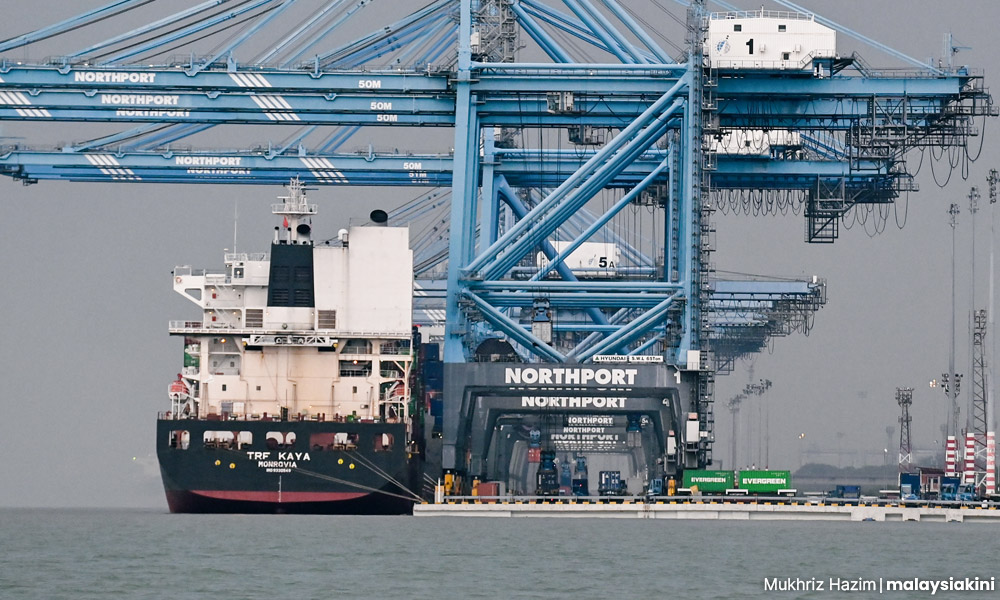
“To mitigate the impact of this trade headwind, SMEs must take immediate steps to reduce our over-reliance on any single Western export market.
“SME exporters should also aggressively leverage Malaysia’s existing network of regional trade agreements to expand into high-growth markets across East Asia, Australasia, and West Asia,” he said in a statement today.
Both Nivas and Ng warned that over-reliance on the US market, Malaysia’s second-largest export destination, could expose exporters, particularly SMEs embedded in global supply chains, to higher costs, weaker competitiveness, and greater compliance pressures.
“The concern extends beyond large exporters. Many small and medium enterprises are integrated into the supply chains of multinational manufacturers.
“If export demand softens, the ripple effects could be felt throughout the domestic ecosystem from component suppliers and logistics providers to supporting service industries,” Nivas said.
10pct tariff
The US trade representative’s office (USTR) announced yesterday that new levies will be imposed on 60 trading partners “for what it described as failures to impose and effectively enforce a prohibition on the importation of goods produced with forced labour”.
Malaysia were among 17 countries subjected to an additional 10 percent tariff, while several other trading partners faced additional levies up to 12.5 percent.
According to the USTR, the 10 percent rate applies to economies with commitments to prohibit forced labour in place or restrict the importation of goods linked to forced labour.
Following the announcement, Prime Minister Anwar Ibrahim said the government will continue negotiating with the US if Malaysia is not satisfied with the outcome to safeguard the nation’s interests.
Continued engagement appropriate
Nivas backed the government’s move to continue engaging with Washington through diplomatic and trade channels while ensuring Malaysian exporters are not disproportionately affected by the new measures.
He said targeted assistance should also be provided to businesses facing the impact of the tariffs, including support for market access, export financing and productivity improvements.
Socio-Economic Research Centre executive director Lee Heng Guie similarly called for continued engagement with the US to seek possible tariff reductions or exemptions for products that can demonstrate compliance with forced labour-related requirements.
He said Malaysian exporters would likely face greater scrutiny over their supply chains, particularly on the sourcing of raw materials from countries linked to forced labour risks.
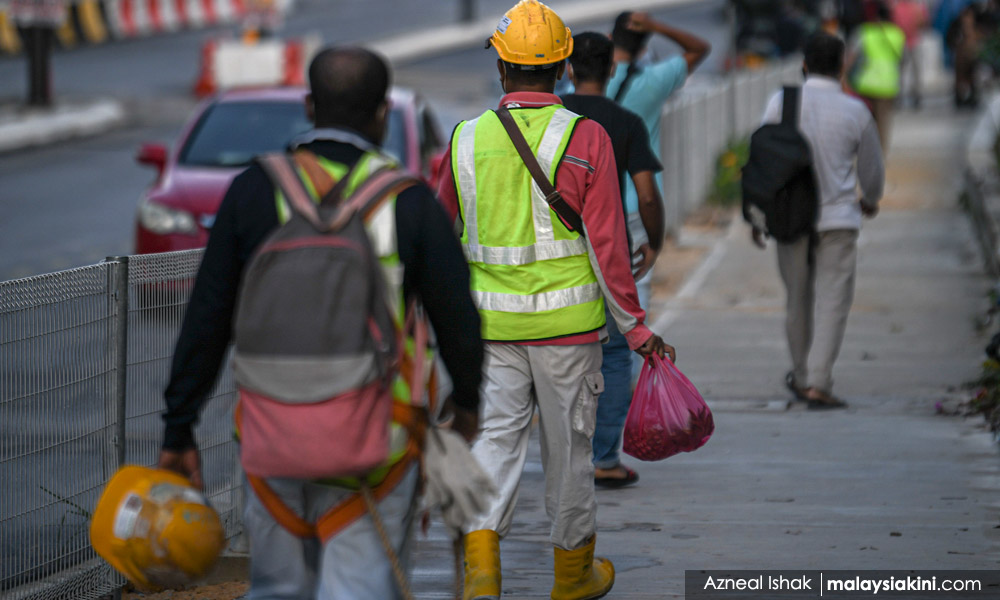
“Exporters may face growing pressure from US buyers to demonstrate supply chain transparency and traceability as well as compliance with forced labour-related requirements,” he said.
Lee added that while the tariff could weigh on Malaysia’s export competitiveness, the impact may be cushioned as the 10 percent rate remains lower than the 12.5 percent imposed on several regional competitors, including Vietnam, Thailand, Singapore, and the Philippines.
Time for upgrades
Both Ng and Nivas said SMEs would also need to strengthen their internal capabilities by investing in automation, digitalisation, and innovation to compete based on quality and technology rather than cost alone.
“Investing in automation, digitalisation, innovation, and higher-value products will enable Malaysian businesses to compete on quality and technology rather than solely on price,” Nivas said.
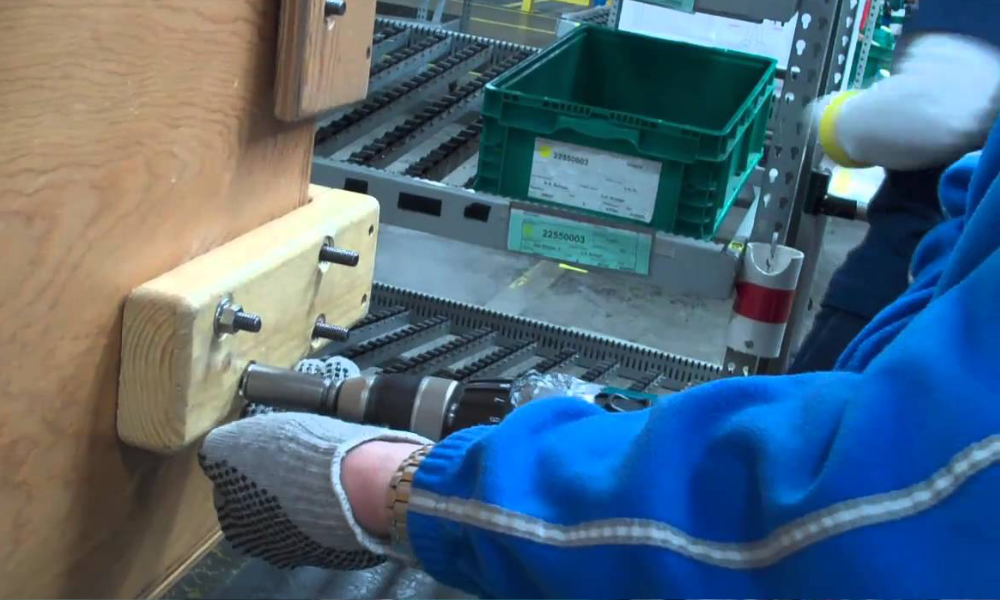
Beyond diversifying markets and upgrading businesses, they also urged Putrajaya to address regulatory gaps related to forced labour-linked imports, noting that strengthening Malaysia’s framework would be crucial in addressing concerns raised by the USTR.
“Samenta urges the government to expedite the national legislative framework governing third-country import prohibitions related to forced labour.
“Addressing this regulatory import gap remains the most crucial step required for Malaysia to achieve a permanent removal from the USTR Section 301 list,” Ng said. - Mkini

No comments:
Post a Comment
Note: Only a member of this blog may post a comment.