


At the opening of the National Security Month in Putrajaya on July 9, Malaysian Prime Minister Anwar Ibrahim warned that “In a borderless world, if we do not have close cooperation with all countries, we will face problems.”
The prime minister’s government is already putting that principle into practice.
Earlier that day, Anwar met with Thai Prime Minister Anutin Charnvirakul to discuss trade and security, while other engagements this year have taken him to talks with India’s Narendra Modi, Bangladesh’s Tarique Rahman, Türkiye’s Recep Tayyip Erdoğan, and Japan’s Sanae Takaichi (above).
This diplomatic outreach comes at a pivotal moment for Malaysia. As security challenges across the Indo-Pacific intensify, Malaysia’s ability to work closely with trusted partners will be increasingly important.
Its historic partner, China, continues to show increasing disregard for borders and rules in the Indo-Pacific.
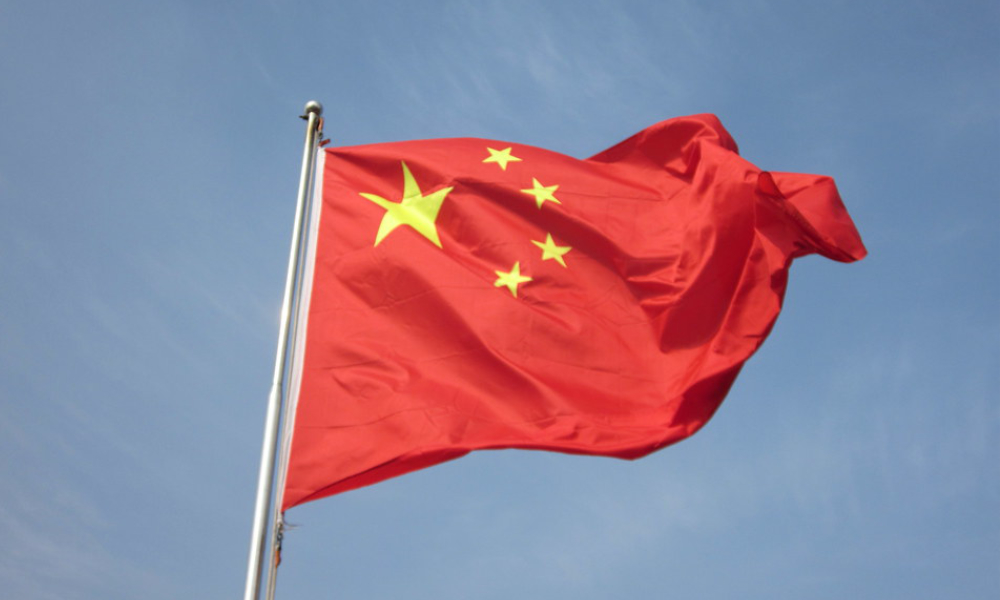
In 2025, the Chinese Coast Guard spent 261 calendar days in the northeastern area of Malaysia’s Exclusive Economic Zone.
On June 21, this year, the Philippines warned of heightened Chinese activity around Scarborough Shoal, a disputed South China Sea atoll, prompting fears that Beijing will seize it permanently.
Pivot to Japan
To guarantee its security, Malaysia is right to seek closer cooperation with partners that share its commitment to the rule of law, freedom of navigation, and free trade.
Among the relationships Anwar has strengthened through bilateral engagement this year, Japan stands out as the most natural and consequential partner.
During Anwar’s visit to Tokyo in June, the two countries cemented existing commercial ties, agreeing to work together under the “Powerr Asia” initiative to strengthen energy and resource security.
During the same visit, Malaysian state energy firm Petronas also announced that it will supply Jera, Japan’s biggest power generator, with 2 million metric tonnes of liquefied natural gas (LNG) per year for 20 years.
The Japanese prime minister described the deal aptly, explaining that “cooperation with Malaysia, a stable supplier of LNG to Japan, is becoming increasingly important.”
Japan and Malaysia are also collaborating on rare earths and critical minerals. China’s restriction of Japan’s access to its rare earths has presented difficulties for Tokyo’s rare earth magnet manufacturers, which are overwhelmingly reliant on Chinese exports. Japan understandably wants to diversify its supply.
In June this year, Takaichi announced the two countries would work together to deepen cooperation on critical minerals supply.
Malaysia is home to one of the biggest rare earths processing plants outside of China, providing a valuable commercial opportunity for both Tokyo and Putrajaya.
Upping security
While deepened energy and resource cooperation are integral to improving resilience and security, neither country can ignore that the international order requires more. Improved defence capabilities are now crucial.
The US has called for Asian partners to increase their defence spending, and China’s assertive behaviour in the region is forcing Indo-Pacific nations’ hands.
Tokyo has committed over ¥9 trillion (RM226.1 billion) for 2026’s defence budget and confirmed that it will revise its “Three Strategic Documents”, which guide the country’s national security policy.
The updated documents are expected to address new forms of warfare, including the use of unmanned systems and artificial intelligence, modernising the Japanese Self-Defence Forces so they can operate effectively in an evolving threat landscape.
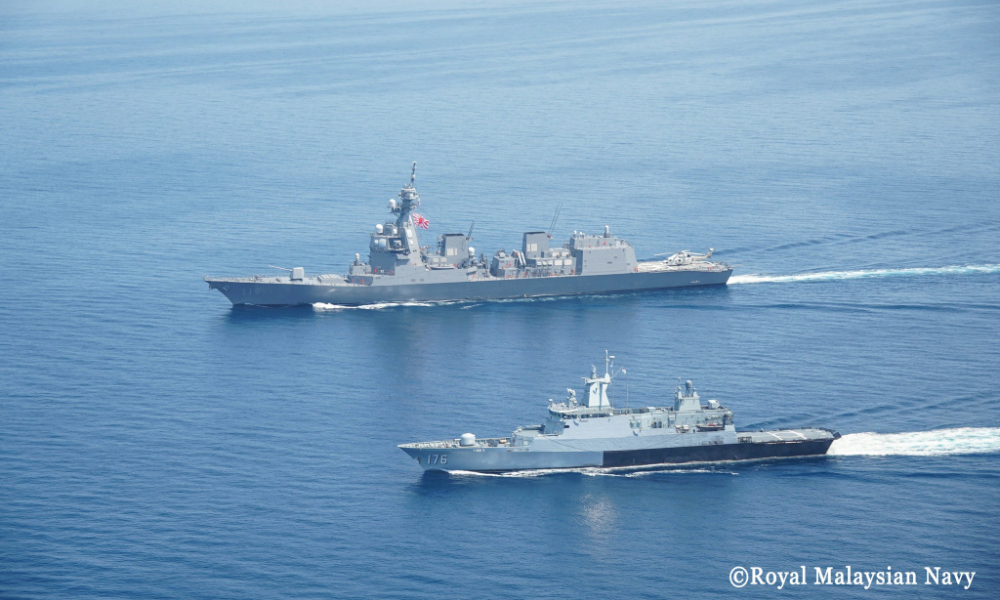
The revisions are also expected to highlight the importance of protecting Sea Lines of Communication to ensure the continued flow of international trade, which is crucial for the prosperity of both Japan and Malaysia.
Significantly, Tokyo also removed restrictions on foreign defence transfers, enabling the export of lethal weapons to countries that hold Equipment and Technology Transfer Agreements (ETTAs).
Malaysia holds an ETTA and stands to benefit, providing further opportunities for collaboration with Japan.
Malaysia has also responded to the worsening security environment. Anwar has deepened the government’s focus on cybersecurity, and Putrajaya announced that it will install a new air defence radar in Pulau Layang-Layang by 2029, enhancing its surveillance capabilities in the South China Sea.
Malaysia is also pursuing asymmetrical warfare capabilities, focusing on low-cost, mass-produced weapons like drones and rockets, while not caving to US demands to increase defence spending to 3.5 percent of GDP.

In September 2025, Japan supplied Malaysia with 14 unmanned aerial vehicles and seven rescue boats under its Official Security Assistance programme.
Recent energy agreements and Anwar’s visit to Tokyo clearly show that Japan-Malaysia cooperation is growing.
But the threat to the status quo is unprecedented. In response, Tokyo and Putrajaya must deepen collaboration, placing a greater emphasis on security, while further bolstering commercial ties. - Mkini
R PANEIR SELVAM is the principal consultant of Arunachala Research & Consultancy Sdn Bhd, a think tank specialising in strategic national and geopolitical matters.
The views expressed here are those of the author/contributor and do not necessarily represent the views of MMKtT.

No comments:
Post a Comment
Note: Only a member of this blog may post a comment.