


Government spokesperson Fahmi Fadzil has rejected PAS secretary-general Takiyuddin Hassan’s claim that Prime Minister Anwar Ibrahim’s remarks on China and Taiwan had put Malaysia in a difficult diplomatic position.
The communications minister also reaffirmed that Malaysia’s position on the issue, which dates back to the administration of former prime minister Abdul Razak Hussein, had not changed.
“(Takiyuddin’s allegation is) not true. I see two things... first, Malaysia’s position on the issue dates back to the time of the late Abdul Razak and our position has never changed.
“The prime minister merely stated what is consistent with Wisma Putra’s position. So, there has been no change or difference on this matter,” he was quoted as saying by Bernama in Kuala Lumpur today.
Fahmi was responding to Takiyuddin, who said PAS had no objection to Anwar reaffirming Malaysia’s One China policy but took issue with remarks the prime minister made in a recent Al Jazeera interview.
Anwar’s comments initially drew criticism from Taipei before receiving support from Beijing. On Thursday, Anwar said his position, as well as Malaysia’s policy on the matter, remained consistent with that of the United Nations.
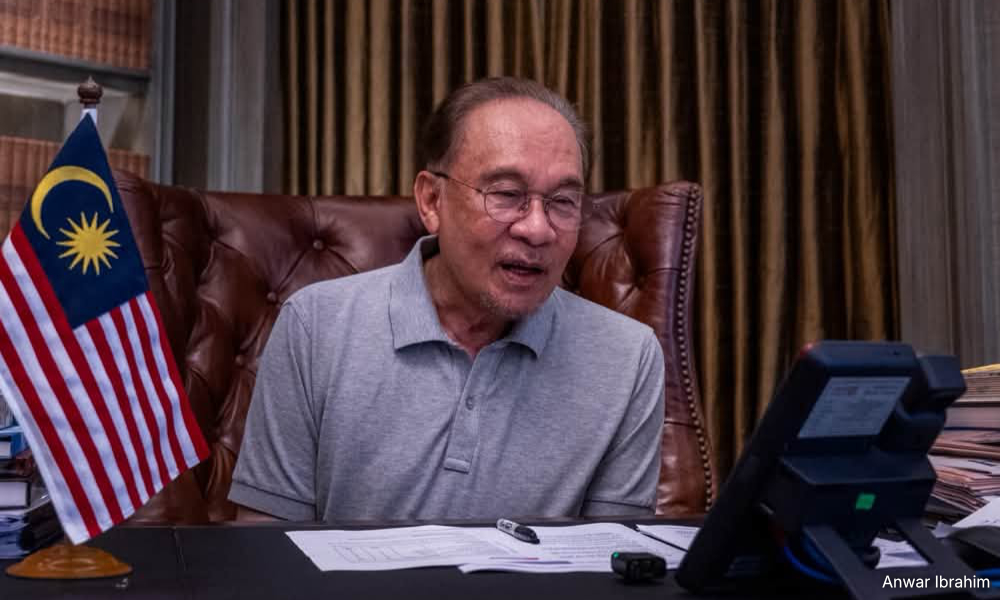
Takiyuddin said Anwar’s description of Taiwan as part of China “full stop”, coupled with his comparison to Malaysia using force to prevent a state from leaving the federation, had put the country in a difficult diplomatic position.
He also argued that Malaysia should distinguish between its established diplomatic policy and taking a position on how the China-Taiwan dispute should be resolved.
Ong warns of diplomatic, economic risks
Former deputy international trade and industry minister Ong Kian Ming separately raised similar concerns today, saying Anwar’s remarks on the possible use of force were unnecessary and risked being interpreted as a departure from Malaysia’s traditional position.
Ong said Malaysia had generally avoided taking a position on how reunification should occur or referred to “peaceful reunification”.
“As far as I know, there has not been any Malaysian prime minister who has come out to advocate for and support a forceful reunification of Taiwan with China,” he said in a statement.
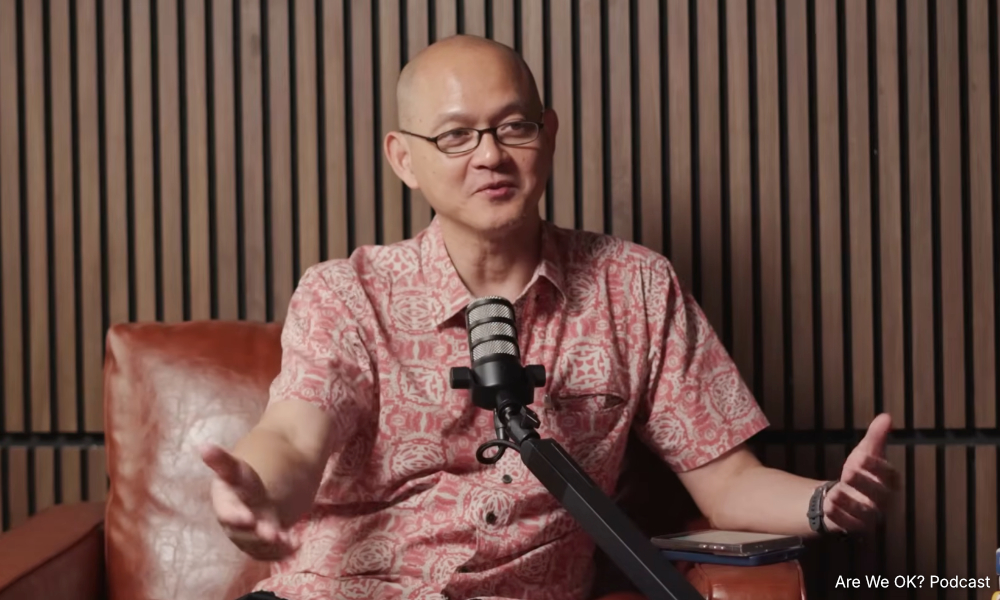
He said Anwar’s remarks could be interpreted in Washington and Beijing as Malaysia tilting towards one side in the geopolitical rivalry, despite Kuala Lumpur’s stated aim of maintaining balanced relations.
Ong also warned of possible economic consequences, particularly given Taiwan’s growing trade and investment ties with Malaysia.
He said Malaysia had benefited from Taiwanese companies diversifying production through a “Taiwan + One” strategy, particularly in the semiconductor industry.
“Rather than exposing Malaysia to negative publicity that may affect some of these investments from Taiwan, Malaysia should be quietly trying to strengthen our trade and investment ties with Taiwan without jeopardising our One China policy, which is also very important to maintain given Malaysia’s close trade and investment ties with China,” he said.
Fahmi questions PAS’ priorities
Takiyuddin, meanwhile, questioned reports that the cabinet had not discussed Anwar’s Taiwan remarks, saying this raised concerns over coordination and collective responsibility in the government’s handling of foreign policy.
Fahmi, however, turned the criticism on PAS, questioning why the party was vocal on foreign policy but remained silent on domestic issues affecting Muslims, particularly the findings of the royal commission of inquiry into Tabung Haji.
“I hope they can spend more time studying and debating the matter because they walked out of the Dewan Rakyat when the people expected the opposition to debate it,” he said.
The RCI examined shortcomings in Tabung Haji’s management, accounts, and investments during the period under review, including investment losses. - Mkini

No comments:
Post a Comment
Note: Only a member of this blog may post a comment.