


Over two years from 2020, The Edge published a series of articles exposing the abnormal surge in penny stocks, highlighting how syndicates were manipulating share prices behind the scenes.
As its editor-publisher, Ho Kay Tat, later wrote, such manipulation threatens the orderly function of the stock market, damages Bursa Malaysia’s reputation, and causes substantial losses for retail investors.
While the volatile trading eventually subsided following regulatory warnings, many had already suffered heavy losses - losses that could have been far worse had the manipulation continued unabated.
Rather than being commended for its vigilance, The Edge found itself in the crosshairs of state power. Its editors were called in for police questioning, with authorities demanding the names of the reporters involved.
To ensure the journalists' safety, the articles were published without bylines, and the police were told the names would not be disclosed, not least given the chilling precedent of a senior Bursa surveillance officer who had been the victim of an acid attack.
In September 2022, two editors were charged with criminal defamation. Former editor-in-chief Ahmad Azam Aris faced two charges at the Petaling Jaya Magistrate’s Court, while contributing editor Shanmugam Murugasu was named as an accused in one of the cases.

Azam was accused of tarnishing the reputation of Metronic Global Bhd director Kua Khai Shyuan, as well as several public-listed companies, including DGB Asia Bhd, Trive Property Group Bhd, and MNC Wireless Bhd. He pleaded not guilty to all charges.
The move sparked consternation among the journalistic fraternity. If the complainant - a businessperson - felt defamed, the norm would be to pursue a civil suit, as is customary in such matters.
Instead, state resources - police, prosecutors, and the Attorney-General’s Chambers - were marshalled to pursue criminal charges.
Kepong MP Lim Lip Eng was among those demanding an explanation from the attorney-general, arguing that while the AG has discretion to institute proceedings, he is duty-bound to explain the decision to use taxpayer money for criminal defamation when a private civil remedy exists.
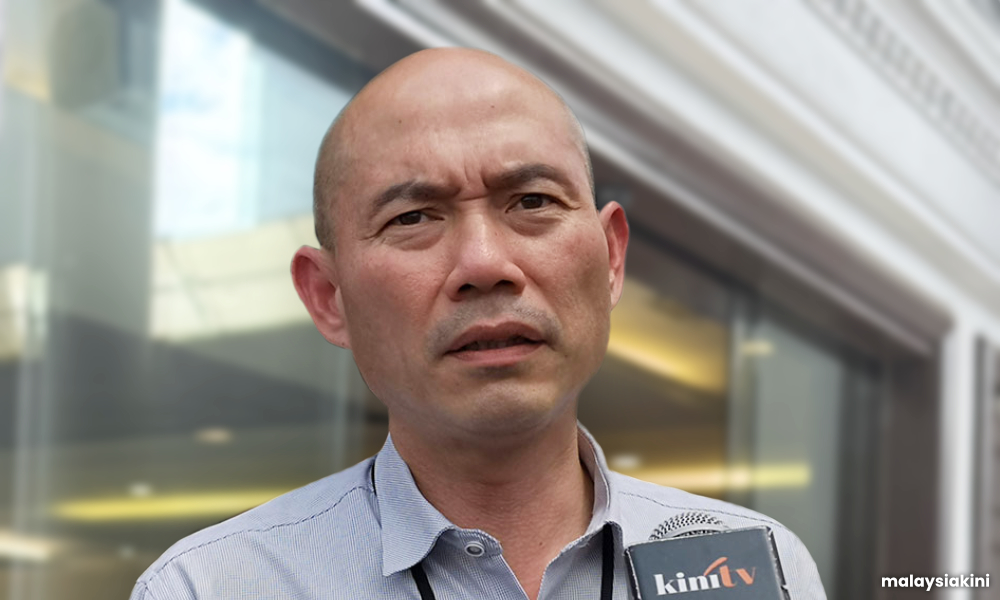
Even former prime minister Dr Mahathir Mohamad expressed concern, stating that if the reports were untrue, the aggrieved parties should have sued the editor and publication for defamation, not invoked criminal law.
But the AG’s office remained silent.
State-backed prosecution
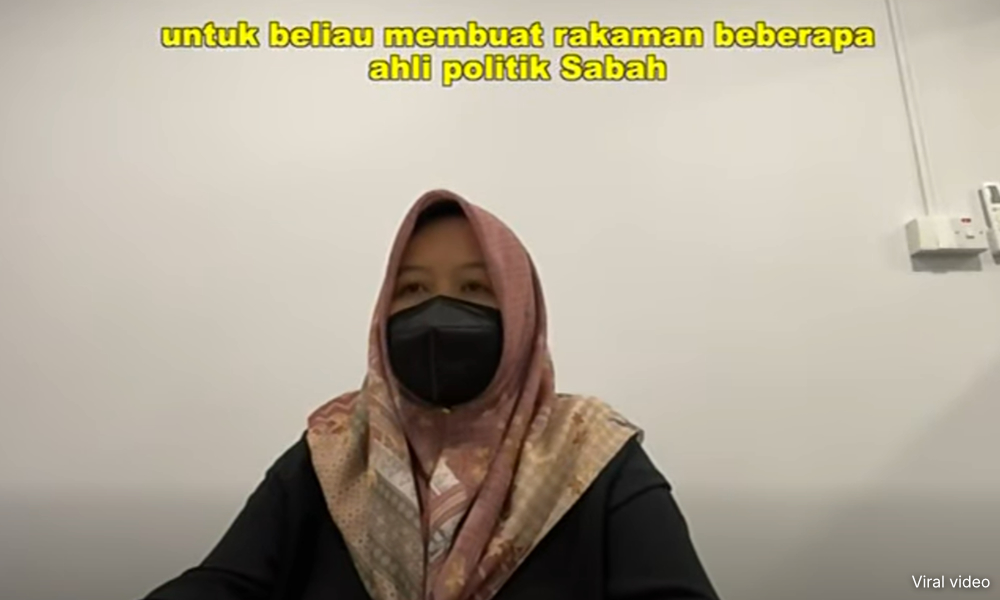
The case has since resurfaced in public memory following the recent prosecution of Sofia Rini Buyong, 50, under the Defamation Act for comments made against businessperson Farhash Wafa Salvador Rizal Mubarak.
She is accused of alleging that Farhash, said to be a close friend of Prime Minister Anwar Ibrahim, had misappropriated funds and transferred them overseas, including to Turkiye and several African countries.
What began as a private dispute has become a state-backed prosecution - no longer Farhash versus Sofia, but a woman taking on not just a battery of lawyers, but the full machinery of the state.
This pattern reveals a troubling distortion of justice. Defamation is fundamentally a civil matter, meant to be resolved between private parties through damages or injunctions.
When the state deploys police, prosecutors, and courts to pursue such charges, it raises serious questions: who exactly is the state protecting, and at what cost?
Is the government machinery being mobilised to shield businesspersons and elites from scrutiny, while ordinary citizens and journalists are left exposed?
Lingering questions
Although the charges against The Edge’s editors were eventually dropped, the unanswered questions linger.
What criteria does the AGC apply in deciding to prosecute under the Defamation Act? What safeguards exist to prevent selective prosecution? Or is the law being wielded at the discretion of power to silence inconvenient voices?
The Sofia case underscores the imbalance. By transforming a private grievance into a public prosecution, the state sends a signal that certain reputations are deemed worthy of protection, while the public’s right to know and the press’ duty to report are treated as expendable.
If the state insists on intervening in defamation, then Malaysians deserve clarity: what kind of citizens does the state choose to defend, and what kind does it leave vulnerable?
Until these questions are answered, the spectre of selective justice will continue to erode trust in institutions and chill the very freedoms that sustain democracy.
Troubling state overreach
The criminalisation of defamation in these cases represents a troubling overreach of state power. Long recognised as a civil matter, defamation disputes should be resolved between private parties - not through police investigations and criminal charges that divert public resources and risk silencing journalists acting in the public interest.
The Edge’s case, and more recently Sofia’s prosecution, illustrate how the machinery of the state can be weaponised to intimidate rather than to protect.
If businesspersons or public figures feel aggrieved, the proper recourse is the civil courts - not the criminal justice system.
To preserve press freedom, safeguard public accountability, and ensure justice is not weaponised, Malaysia must draw a clear line: defamation belongs in civil litigation, not in the dock of criminal prosecution. - Mkini
R NADESWARAN is a veteran journalist who strives to uphold the ethos of civil rights leader John Lewis: “When you see something that is not right, not fair, not just, you have to speak up. You have to say something; you have to do something.” Comments: citizen.nades22@gmail.com.
The views expressed here are those of the author/contributor and do not necessarily represent the views of MMKtT.

No comments:
Post a Comment
Note: Only a member of this blog may post a comment.