


The environmental impact assessment (EIA) for the proposed Batu Arang waste-to-energy (WTE) incinerator has been approved despite multiple prior rejections.
The Rawang Tolak Incinerator Network (RTI), which led opposition to the project, said residents only discovered the approval after it appeared on the Environment Department's (DOE) website on July 19.
Its spokesperson Abdul Hanan Abd Mokti claimed that authorities did not furnish any official notice to residents about the approval.
“We received none whatsoever. We only learned about the EIA approval from the DOE website on Sunday,” he told Malaysiakini.
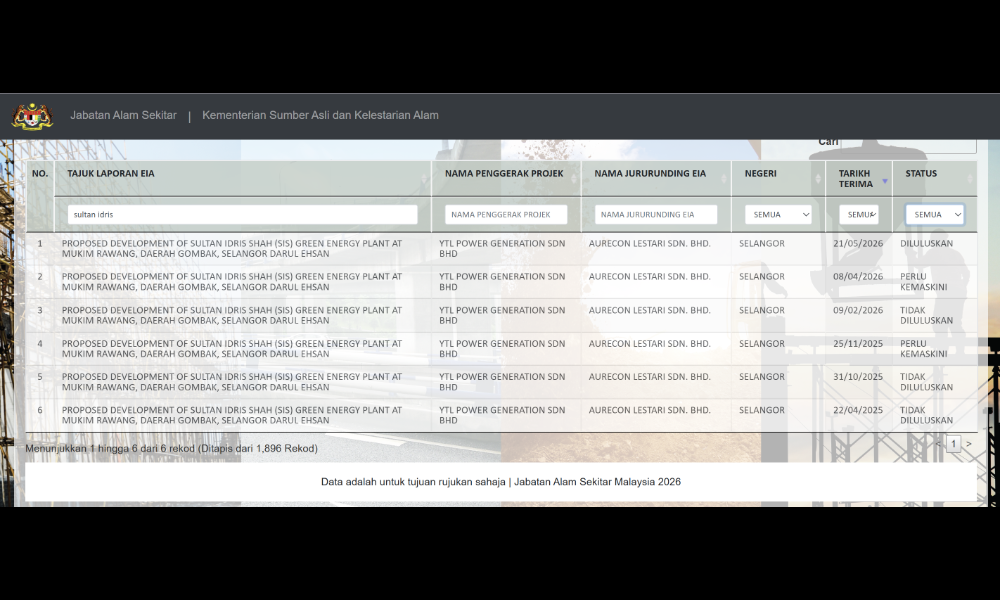
Checks on the department’s website showed that the EIA was approved after YTL Power Generation Sdn Bhd, via a consultant firm, submitted it on May 21.
The approval marks a key milestone in the project, which residents and environmental groups have long opposed due to its potential impact on public health and the environment.
Hanan lamented that residents remained unaware of what prompted the latest submission's approval, despite multiple earlier attempts being unsuccessful.
Information on the department’s website indicated that the EIA was submitted five times between April 22, 2025, and April 8, 2026, before it was approved.
“We have no information about the changes made by the EIA consultant from the second up to the latest submission.
“We also do not know why the first five submissions were not approved or if any conditions were attached to the approval of the latest submission.
“Our requests for such information have been met with silence. It appears that transparency and responsiveness are not the order of the day,” he said.
Not backing down
The lack of information, Hanan added, has fuelled concerns that project proponents may now proceed with the development without barriers or safeguards to the environment in Batu Arang.
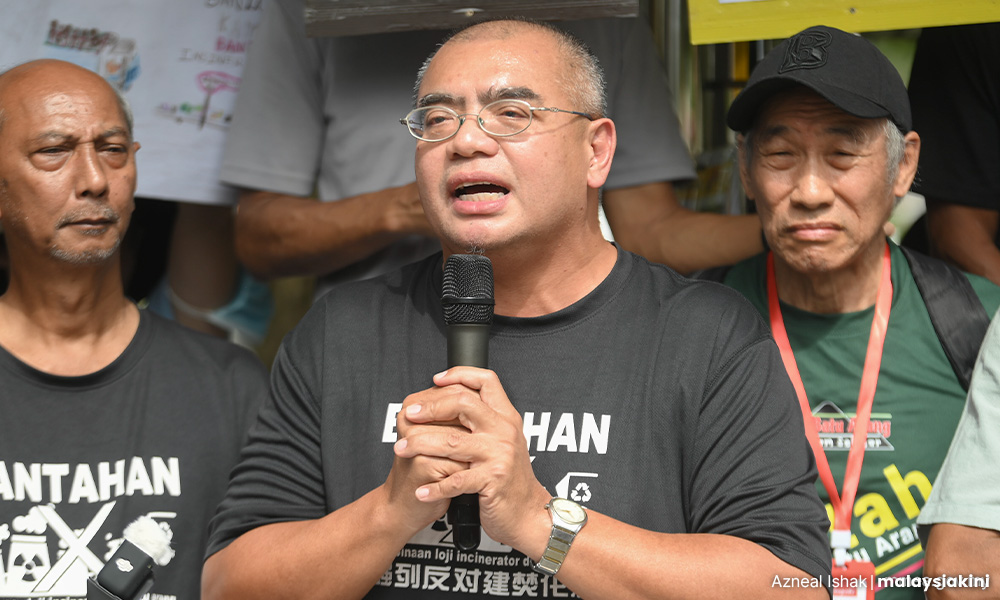
“Residents will never know what has been promised by the project proponents to the DOE, especially the conditions that must be met during operations, such as emissions, impact to the surrounding geology, air quality, water quality, traffic volume and road infrastructure,” he added.
Hanan also questioned whether enforcement agencies would have the expertise and resources to continuously monitor compliance with any conditions imposed throughout the project's operation.
This is compounded by anxieties that the project could be a stepping stone for the government to expand the development of WTE incinerators nationwide.
However, despite the approval, RTI has no intention of backing down, stressing that its fight against the project will continue.
Hanan said the group and Batu Arang residents would submit a letter to the DOE at 10.30am today, seeking clarification on the approval.
"We will continue to highlight the dangers and shortcomings of incineration technology, especially in Batu Arang and for the country in general.
"Given no other options, we will be forced to take any actions necessary, including through legal means," the spokesperson added.
Strong opposition
The proposed incinerator, also known as Sultan Idris Shah Green Energy Plant, is one of several such plants approved by the Selangor state government as part of its waste management strategy.
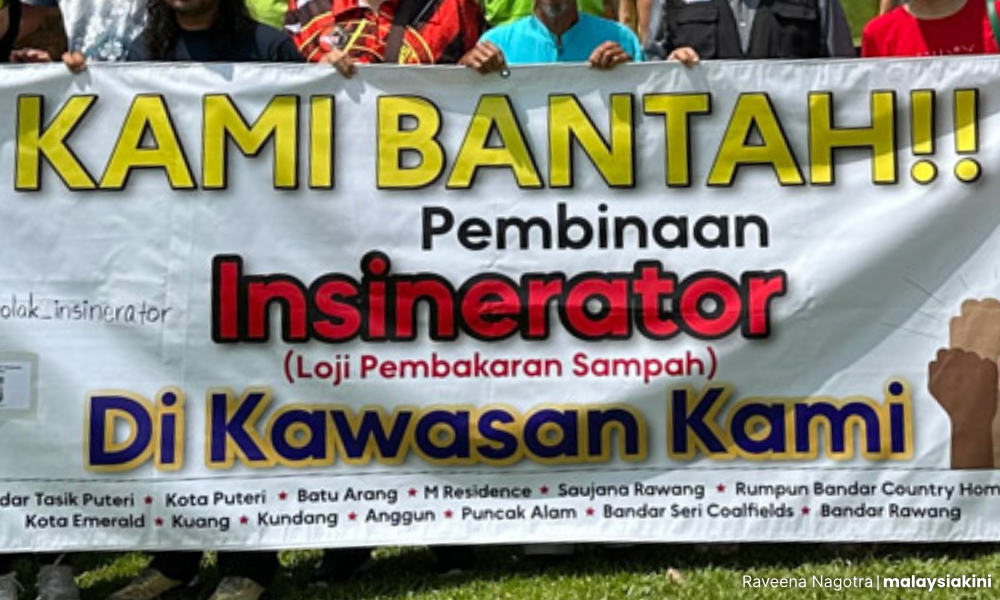
However, the project faces strong opposition from Batu Arang residents, who have raised concerns over potential health, safety and environmental impacts, including the town’s geological condition, as the proposed site is located on former open-cast coal mining land.
RTI previously claimed that the area’s geological structure could affect land stability and potentially increase the risk of ground collapse.
The group had also raised concerns over the presence of underground coal seams beneath Batu Arang, which it said extend about 50km underground.
It warned that the operation of a WTE facility could pose additional risks, including the possibility of fire or explosions. - Mkini

No comments:
Post a Comment
Note: Only a member of this blog may post a comment.