


KINIGUIDE | A modernised aquaculture management startup halfway across the region has sparked tensions in Malaysia, following uproar over an investment by the Retirement Fund (Incorporated) (KWAP) into the embattled tech firm, eFishery.
With the Indonesian company’s co-founder now serving nine years in prison for duping investors on the state of his business, scrutiny has turned to how KWAP, as the custodian of Malaysian civil servants’ pensions, came to sink at least RM163.4 million into the firm.
Lawmakers are now pressing for someone at KWAP, which operates under the Finance Ministry, to be held accountable, with various quarters insisting that the matter should be regarded as an oversight failure rather than being dismissed as mere bad luck.
Malaysiakini breaks down what eFishery actually did, how KWAP ended up in the picture, and what the fallout could mean for the retirement fund of Malaysia's civil servants.
What is eFishery?
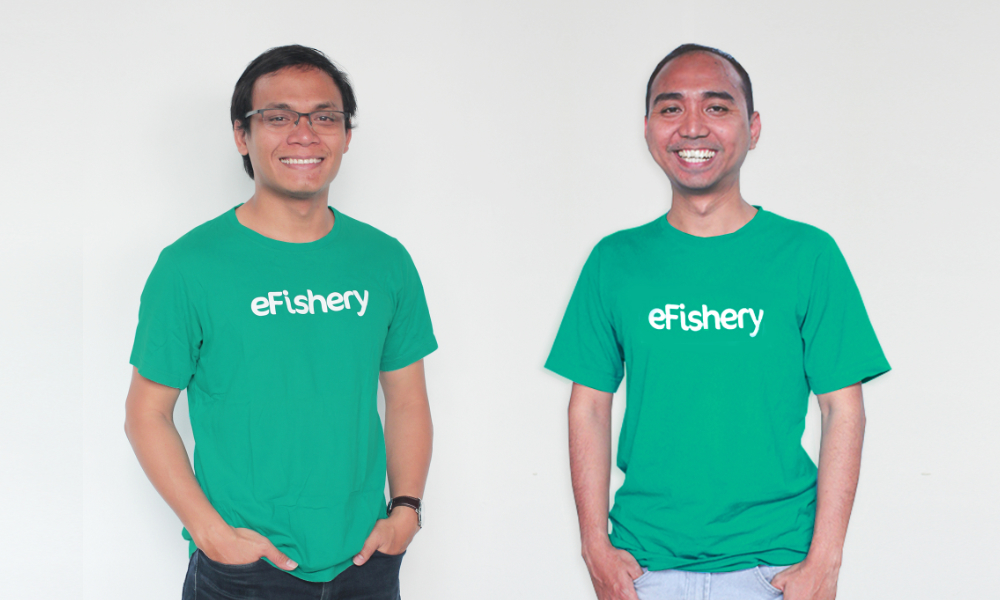
eFishery was the brainchild of Gibran Huzaifah, who was raised near the slums of East Jakarta as the son of a construction worker father and a homemaker mother.
While studying biology at Institut Teknologi Bandung, Gibran signed up for a fish-farming course and began raising catfish on the side to make extra money, with the small hustle growing to over 70 ponds by the time he graduated.
His experience as a catfish farmer showed him exactly where producers were bleeding money. Feed alone ate up roughly 70 to 80 percent of production costs, and most farmers were still feeding by hand, with no reliable way to track how much their fish were actually consuming.
In 2013, Gibran and a small team of engineer friends, including Chrisna Aditya, who would later become chief product officer, developed eFishery to sell an automated feeding system for fish and shrimp.
From there, eFishery grew into an end-to-end aquaculture platform, expanding well beyond the feeder system itself to a marketplace linking farmers directly to product buyers while cutting out layers of middlemen.
Its lineup eventually included eFarm and eFishryKu, apps for farmers to monitor their ponds, as well as eFund, a financing arm connecting farmers to lenders who might otherwise not have extended them credit.
In April 2024, Microsoft published a feature article on eFishery’s generative artificial intelligence (AI) assistant dubbed Mas Ahya, which ran on Microsoft’s Azure OpenAI Service.
Designed to give farmers plain-language answers on pond conditions and market prices in local dialects, the feature was part of a wider pitch to investors that eFishery was as much a data and AI company as a hardware one.
By the time of its collapse, the company claimed to have served well over 100,000 farmers across hundreds of cities and districts in Indonesia - with pilot operations stretching into Bangladesh, Thailand, India, and Vietnam.
Who was funding eFishery and how much did each investor put in?
eFishery raised around US$315 million (RM1.2 billion) across multiple funding rounds between 2015 and 2024, growing from a US$500,000 seed cheque from Aqua-Spark, a Netherlands-based investment firm specialising in sustainable aquaculture, in September 2015.
Below is a breakdown of some of eFishery’s major investors:
Series A (November 2018): Brought in US$4.7 million, led by Singapore-headquartered venture capital (VC) firm Wavemaker Partners, which in 2022 won “VC Deal of the Year” at the 30th Annual Singapore Venture Capital & Private Equity Association (SVCA) Awards for its investment in eFishery.
Series B (August 2020): A US$14 million round added funding from Singapore’s Northstar Group, GO-Ventures, and American non-profit accelerator Endeavor, alongside returning backing from Aqua-Spark and Wavemaker Partners.
Series C (January 2022): eFishery landed US$90 million, at the time billed as the largest funding round raised by an aquaculture tech startup. The round was co-led by Singapore’s state-owned investment company Temasek, Japanese VC fund SoftBank Vision Fund 2, and Sequoia Capital India, which was later rebranded to Peak XV Partners.
Sequoia vice-president Aakash Kapoor had reportedly labelled eFishery the “undisputed leader” in Indonesia's fragmented aquaculture market, while SoftBank's then-investment director Anna Lo said the country's fish industry could “play a meaningful role in feeding the world's growing population”.
Series D (mid-2023): A US$200 million injection led by Abu Dhabi’s 42XFund (previously known as G42 Expansion Fund), alongside participation from SoftBank, Temasek, and Northstar, pushed eFishery's valuation past US$1.4 billion, making it Indonesia's first agritech unicorn.
KWAP joined the table for the first time with what it has since confirmed was an RM163.4 million investment, with some reports estimating that the figure constituted around 24 percent of the round.
A further US$30 million loan from HSBC Indonesia in May 2024 rounded out eFishery's fundraising before the fraud came to light, during which KWAP was one of roughly two dozen institutional backers who had collectively poured over US$300 million into the company.
What went wrong?
In a five-hour interview with Bloomberg in April last year, Gibran described staring at a spreadsheet in 2018 that showed the company was about to run out of cash, and choosing to falsify the numbers rather than let it fold.
By his own account, the deception began that year as he was trying to close a Series A funding round. The businessperson set up a web of shell companies to artificially inflate eFishery's reported income and convince investors the business was healthier than it actually was.
What started as a temporary solution became a recurring habit, with a real set of books kept internally, and a second, inflated version shown to investors, lenders and auditors.
The scale of the deception only became clear after a whistleblower approached eFishery's board in late 2024, leading to Gibran’s suspension as the company’s chief executive officer.
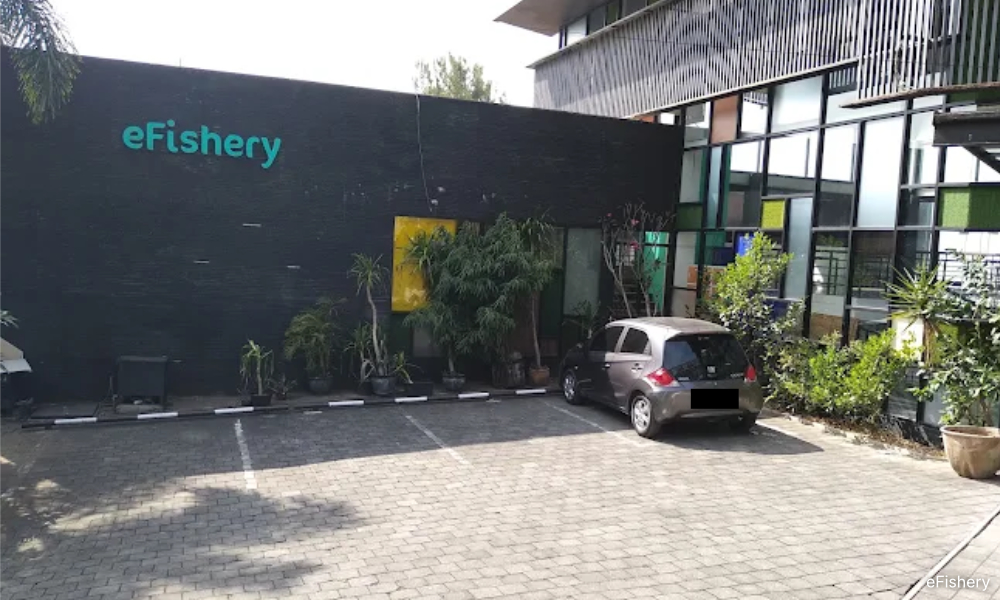
According to a Feb 6, 2025, Bloomberg report, an internal probe into eFishery, backed by multiple investors, alleged that while the company presented a US$16 million profit for the first nine months of 2024 to investors, the firm actually generated a US$35.4 million loss.
For the first nine months of 2024 alone, FTI Consulting Singapore estimated that eFishery inflated revenue by almost US$600 million, meaning that more than 75 percent of the reported figures were falsified.
Even its operational claims were said to have been fabricated, with eFishery telling investors it had 400,000 fish-feeding devices deployed in the field, when the real figure was closer to 24,000.
Gibran recounted that his conversations with other Indonesian founders indicated advice on “massaging” numbers, a move he questioned the illegality of - considering that “everyone (was) doing it.”
Gibran also maintained that no money was stolen, as all funds went to “hiring talent, allocating commissions, and paying off debtors”, further insisting that his decisions were motivated by a need to survive.
“In hindsight, I wanted to create a big impact - to create a dent in the universe - without thinking if my impact should instead be long-lasting, even if it’s smaller,” he was quoted as saying.
What happened to eFishery’s management?
Indonesian police detained Gibran and two other former executives in August 2025, a few months after Gibran's own account to Bloomberg went public.
Prosecutors charged Gibran under Article 374 of Indonesia's Criminal Code, which covers embezzlement committed in the course of one's position, and under Article 3 of the country's anti-money laundering law.

They alleged Gibran directed the manipulation of eFishery's accounts through Multidaya Teknologi Nusantara, the legal entity behind the startup, causing losses of roughly 69.47 billion rupiah (RM15.8 million).
At an April 15 hearing, prosecutors sought a 10-year imprisonment sentence for the three accused, along with fines of one billion rupiah each.
Bloomberg reported that during a plea hearing, Gibran delivered an emotional defence, denying personal enrichment and pleading with judges to not consider this as a criminal case.
“Sentencing me to 10 years in prison for a crime where the intent, the act, and the personal flow of funds were never proven, is an injustice that will destroy the precedent for any child of the nation who wants to innovate,” he was quoted as saying based on a text of his submission.
However, the Bandung District Court went on to convict all three businesspersons of embezzlement and money laundering on April 29.
Gibran was sentenced to nine years’ imprisonment, one year short of what prosecutors sought, plus the one billion rupiah fine.
The two other convicted former executives received an eight- and seven-year jail term, with matching fines.
What happened to eFishery’s investors?
In February 2025, it was reported that FTI Consulting Singapore determined that eFishery is in “far worse shape” than initially assumed, with investors predicted to get back less than US$0.10 for every dollar they invested.
The report noted that Abu Dhabi’s G42, which poured US$100 million into the 2023 Series D round, stood to recover as little as US$8.3 million under a worst-case recovery scenario.
Deal Street Asia reported that Temasek chief investment officer Rohit Sipahimalani in July last year said the fund recognises that in early-stage investing, it is difficult to “100 percent eliminate” fraud.
While Rohit noted that Temasek was “surprised and disappointed” with the situation involving eFishery, the investment firm’s chief financial officer Chin Yee Png added that portfolios in its books are “properly marked” annually.
In an April 2026 statement, founders of Aqua-Spark, eFishery’s earliest backer, disclosed a hit of around US$250 million, which forced the Dutch impact fund to mark down its own valuation by nearly half to approximately US$300 million.
Aqua Culture Magazine quoted Aqua-Spark co-founder Amy Novogratz as describing a deeper kind of loss, saying: “Discovering that the people you had held up were not who you believed them to be is a different kind of wound.”
Aqua-Spark also warned that the scandal has abruptly shut off a wave of mainstream capital that had only just started flowing into Southeast Asian aquaculture, with its founders acknowledging that rebuilding trust could prove difficult.
Its chief investment officer, Maria Velkova, noted that even after reviewing their due diligence procedures, the fund was of the view that not much could have been done differently as eFishery ran a “very well-executed fraud”.
In a July 18 statement, KWAP said it is continuing to pursue all available avenues to maximise the recovery of its investment in eFishery, alongside conducting an internal investigation and the necessary reviews.
Prime Minister Anwar Ibrahim, who is also the finance minister, also said KWAP’s eFishery investment was affected by the “planned fraud”, citing financial reports manipulated by eFishery's management.

With dozens of creditors and investors chasing the same shrunken pool of eFishery’s real assets, any recovery of KWAP’s investment is likely to be minimal, if any, and could take years to materialise.
How much did KWAP actually lose - RM163 million or RM200 million?
Deal Street Asia in 2023 reported KWAP invested about US$47.7 million, or roughly RM200 million, into eFishery based on the Series D round size.
That figure was widely picked up by other media outlets and authorities.
In a July 15 parliamentary written reply, neither Anwar nor PKR MP Wong Chen had stated the total amount KWAP had invested into eFishery.
On July 17, KWAP clarified that the number is RM163.4 million, which it said represents about 2.51 percent of eFishery's total shareholding.
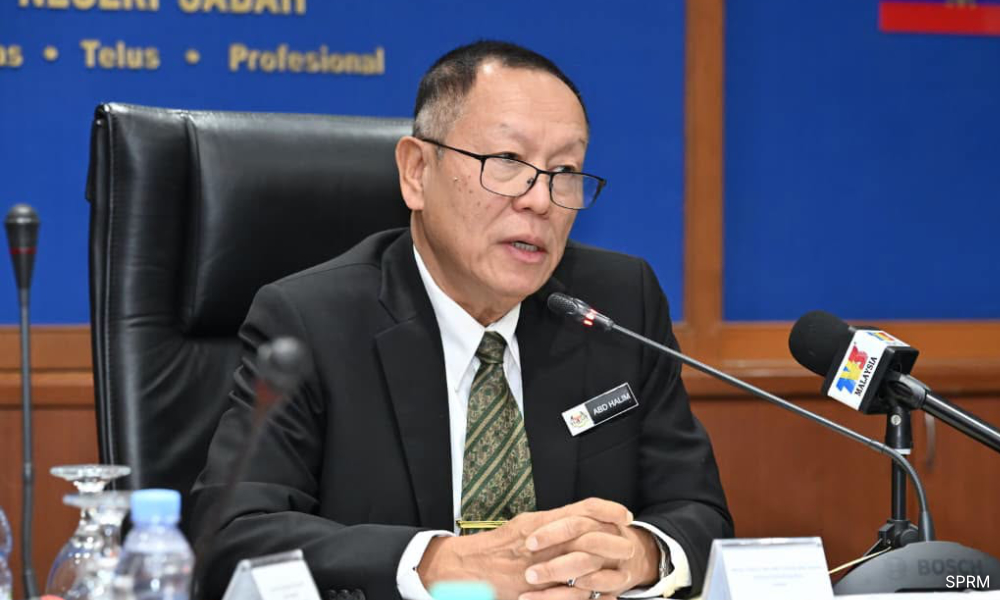
However, the following day, the MACC reverted to the RM200 million figure, with MACC chief commissioner Abd Halim Aman announcing that an investigation into the investment losses is underway.
In a July 20 statement, MCA information chief Chan Quin Er highlighted the seemingly inconsistent numbers on KWAP’s losses, arguing that the matter requires clarification and transparency from the government.
Did KWAP do its homework before investing?
According to KWAP and the government, yes - at least on paper.
Addressing the Dewan Negara on July 20, Anwar pointed out that leading investment companies from other nations had also invested in eFishery.
Highlighting that KWAP does not only invest in foreign companies as it also has large investments in local startups, Anwar added that decisions reached by KWAP’s investment panel are presented to its board of directors without first requiring approval from the Finance Ministry.
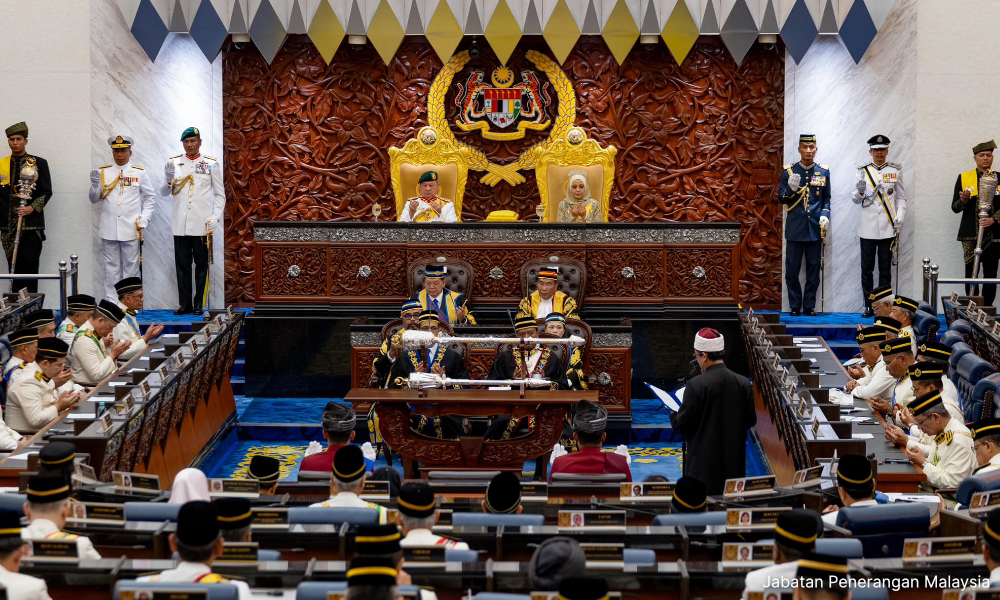
He noted that the board features ministerial representatives while the panel is “strictly” occupied by those from professional backgrounds.
Anwar also affirmed that the investment, like others undertaken by KWAP, went through the body’s standard evaluation and feasibility processes, as well as reliance on internationally accredited auditors.
The trouble is that those audited numbers were themselves fabricated as part of the fraud, with Anwar emphasising that far larger and more sophisticated global investors also fell for the same manipulated accounts.
How does eFishery’s loss compare to other public fund scandals?
In October 2024, the public discovered that sovereign wealth fund Khazanah Nasional and Putrajaya-owned fund management company Permodalan Nasional Berhad (PNB) together lost RM43.9 million after selling their stakes in local e-commerce platform FashionValet.
A written parliamentary reply from the Finance Ministry said Khazanah and PNB had sold their stakes in FashionValet for just RM3.1 million in 2023 after investing a combined RM47 million back in 2018.
The disclosure was in response to a query from DAP MP Yeo Bee Yin, which triggered an MACC probe.
It eventually led to criminal breach of trust charges against FashionValet's founders, Vivy Yusof and her husband, Fadzaruddin Shah Anuar.

The Public Accounts Committee (PAC) also initiated proceedings concerning the investment losses incurred by Khazanah and PNB.
By financial value, KWAP's RM163.4 million eFishery exposure is more than four times the FashionValet loss.
Commentators have also reflected that the KWAP-eFishery matter revives similar questions previously raised during the FashionValet debacle, including how rigorously government-linked funds vet investments, and who is actually held responsible when they go wrong.
What have other politicians said?
Backbencher Hassan Abdul Karim, on July 17, publicly urged Anwar to make the “courageous decision” to resign specifically from his post as finance minister with immediate effect.
In a statement, the PKR MP added that if breaches of fiduciary duty, negligence, and actions contrary to the principles of responsibility and accountability are found, other individuals deemed responsible should also be dismissed.
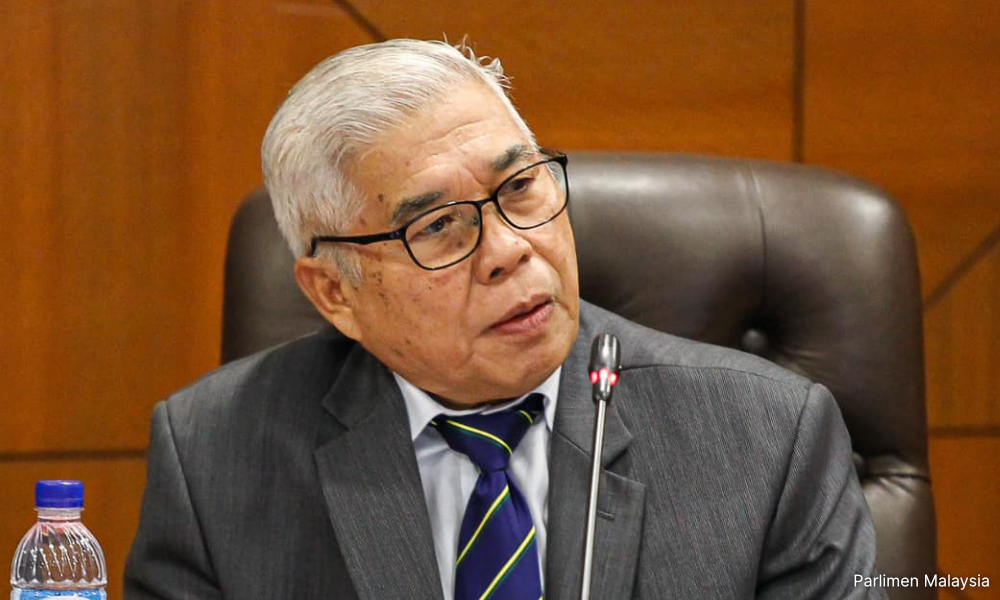
Accusing KWAP of having failed to learn from the SRC International transgression linked to the 1MDB global financial scandal, Hassan said the alleged “negligence” on KWAP’s end should not be taken lightly.
On the same day, Parti Wawasan Negara vice-president Omar Mustapha pressed the government to table a comprehensive report on the investment during the next Parliament sitting, which is scheduled to take place in October.
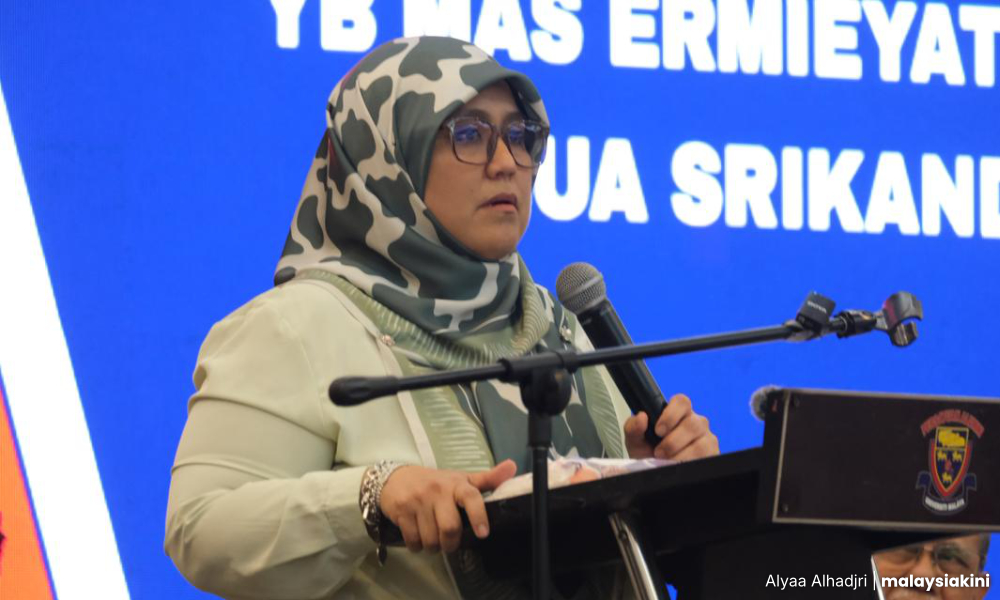
PAC chairperson Mas Ermieyati Samsudin has also said the committee will decide whether to open its own inquiry into KWAP’s investment in eFishery.
Should civil servants be worried?
Anwar told the Dewan Negara that the RM163.4 million eFishery loss should be weighed against KWAP's overall record of RM12.9 billion in net profit the previous year, with total fund growth of 9.3 percent and an annual compounded growth rate he put at more than 8.5 percent.
The prime minister’s senior political adviser, Tengku Zafrul Abdul Aziz, put the scale in more concrete terms the same day - assuring that the failed investment will not affect the payment of civil service pensions or the fund’s financial position.
In a Facebook post, Zafrul said KWAP’s eFishery investment amounted to less than 0.1 percent of the body’s RM195 billion fund as at 2025, and less than one percent of its approximately RM18 billion investment income recorded in the latest audited financial year.
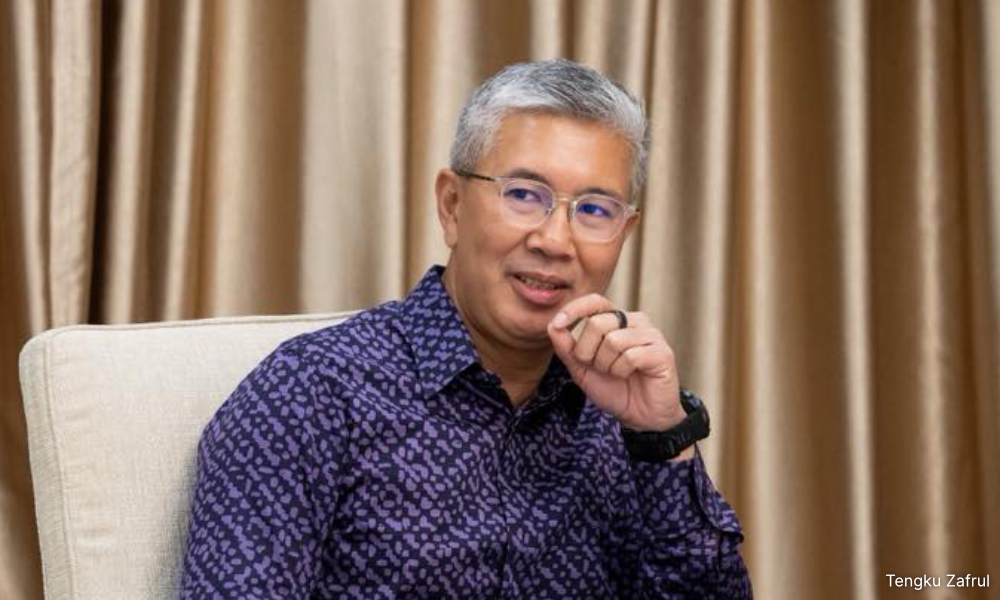
He added that KWAP differs from the Employees Provident Fund (EPF), which caters to private sector workers, as civil servants do not maintain individual savings accounts under KWAP.
He stressed that the government remains responsible for paying civil service pensions, while KWAP manages the payments on the government's behalf and helps finance part of the pension obligations through its investment returns. - Mkini

No comments:
Post a Comment
Note: Only a member of this blog may post a comment.