


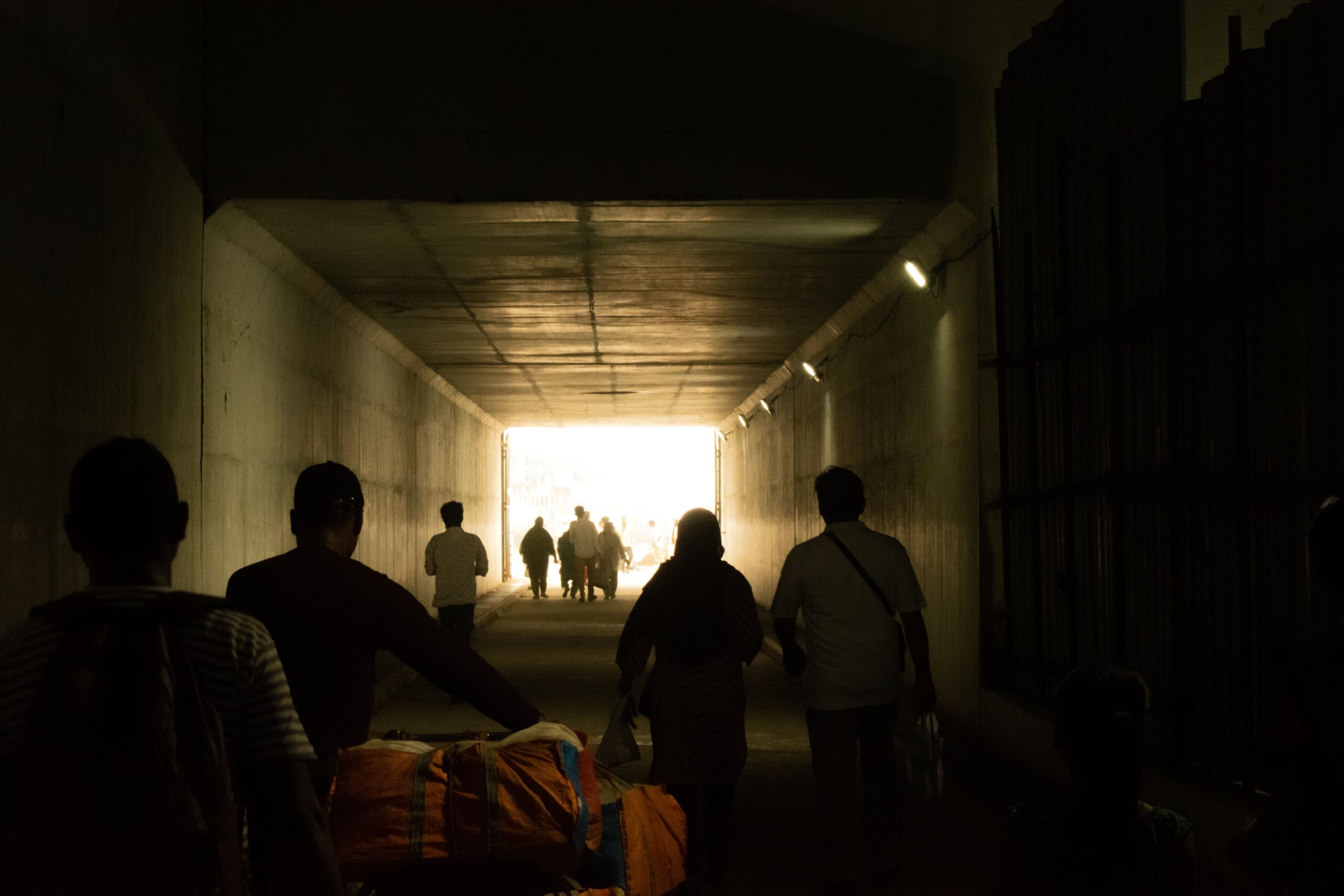
WALK through any oil palm plantation in Johor or rubber estate in Selangor, and you witness a quiet story of economic transformation. Hevea brasiliensis, native to the Amazon, has yielded latex that helped build industries, schools and highways.
Elaeis guineensis, originating from West Africa, bears fruit that has become one of Malaysia’s most valuable exports.
These are migrants. Without them, Malaysia’s economic history would have looked very different.
Yet the same societies that readily embrace foreign crops often view foreign people with suspicion. We celebrate the migrant seed but fear the migrant soul. Why?
Part of the answer lies in the way nations understand themselves. Every country develops a story about who belongs. Over time, yesterday’s newcomers become today’s natives.
Communities that once arrived from elsewhere gradually come to be regarded as inseparable from the nation itself, while those arriving today are often seen as outsiders.
The oil palm, introduced more than a century ago, is now considered part of Malaysia’s landscape. A worker who arrived a decade ago rarely enjoys the same acceptance.
Economics also shapes perceptions, but not always rationally. When crops cross borders, we measure their contribution in exports, productivity and growth.
When people cross borders, they bring languages, religions, customs and cultures that are far more visible than economic statistics.
In periods of economic uncertainty, concerns about wages, housing and public services can easily become intertwined with anxieties about migration.
While these concerns deserve thoughtful discussion, migrants themselves often become convenient scapegoats for problems rooted in broader economic and policy challenges.
Technology has amplified these fears. Human migration now unfolds in real time before a global audience. Images of overcrowded boats, refugee camps and border crossings dominate headlines, while the conflicts, persecution, poverty or climate pressures that force people to leave home often receive far less attention.
We see arrival, but rarely the circumstances that made departure unavoidable.
None of this diminishes the need for countries to manage their borders or regulate migration responsibly. Every nation has the right to determine who enters and under what conditions. But responsible migration policy is not the same as hostility towards migrants.
History reminds us that migration has shaped virtually every modern society. The United States was built in large part by successive waves of immigrants. Australia’s post-war development relied heavily on newcomers from Europe and Asia.
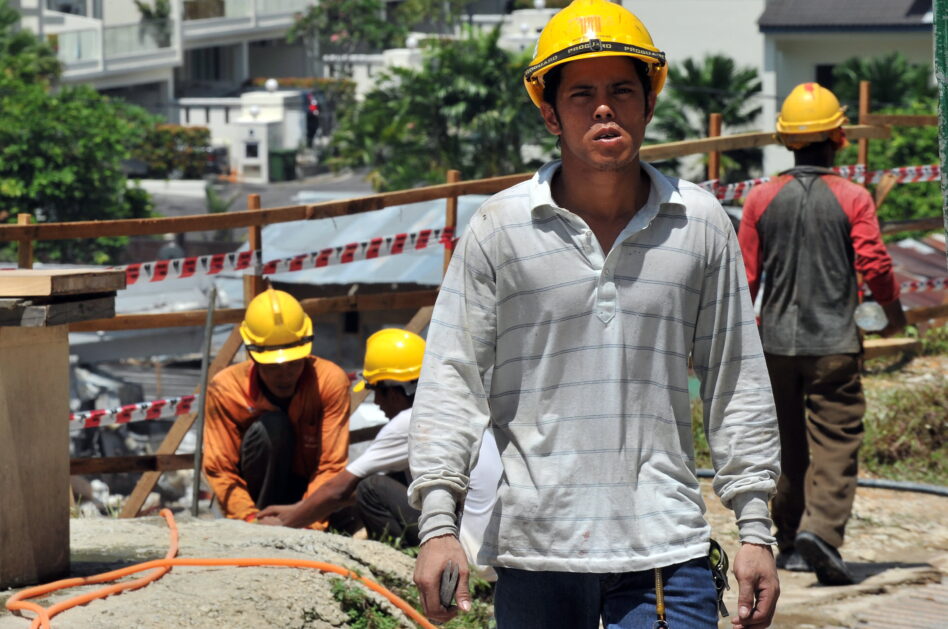
Malaysia’s plantations, construction sites and manufacturing industries continue to depend on workers from Indonesia, Bangladesh and Nepal, whose labour supports sectors many local workers are unwilling or unable to fill.
Too often, however, these contributions are forgotten amid political rhetoric that portrays migrants primarily as threats rather than participants in national development.
The contrast is striking. We readily acknowledge that foreign crops transformed our economy. We recognise that plants do not become less valuable simply because they originated elsewhere. Yet extending that same openness to people has proved far more difficult.
Unlike trees, people carry identities, beliefs, languages and aspirations. That complexity can make societies uneasy. But it is also what has enriched civilisations throughout history.
Perhaps the real lesson is this: belonging is rarely determined by where someone begins life. It is shaped over time through work, commitment and shared experiences.
Many of today’s “natives” descend from people who were once regarded as newcomers themselves.
The migrant seed eventually became part of Malaysia’s landscape. Human beings, too, can become part of a nation’s story when given the opportunity.
If we can recognise the value of transplanted trees, perhaps we can also learn to see the dignity and potential in those who cross borders seeking the chance to build a better life.
The author, Professor Datuk Dr Ahmad Ibrahim is affiliated with the Tan Sri Omar Centre for STI Policy Studies at UCSI University and is an Adjunct Professor at the Ungku Aziz Centre for Development Studies, Universiti Malaya.
The views expressed are solely of the author and do not necessarily reflect those of MMKtT.
- Focus Malaysia.

No comments:
Post a Comment
Note: Only a member of this blog may post a comment.