


Of the two coming state elections, Negeri Sembilan has more potential political hazards ahead. Like the famous dish of the state, masak lomak, its politics are heated.
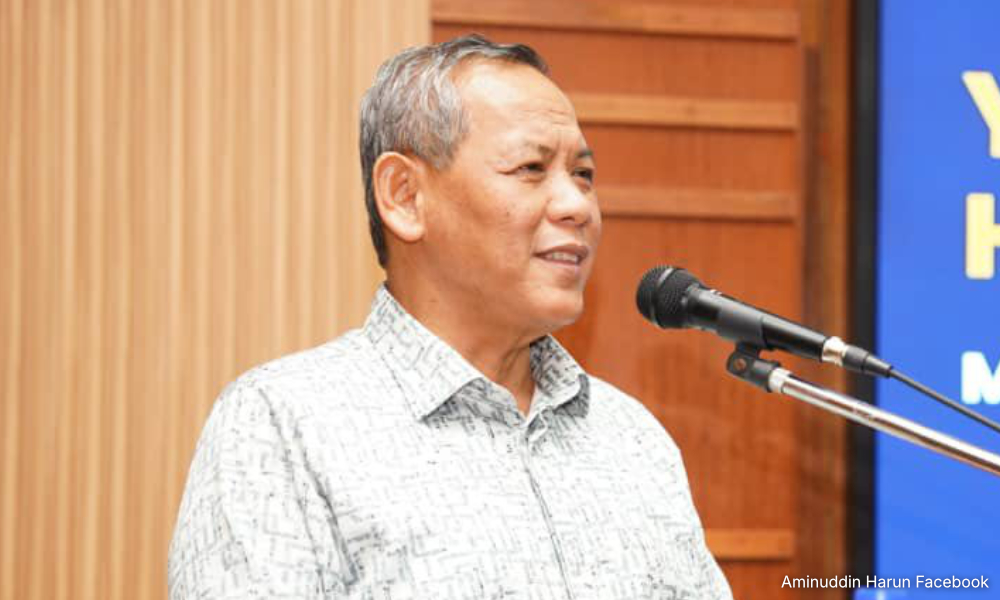
This state election will be decisive in shaping the fate of state governance and the future of Anwar Ibrahim’s federal coalition and leadership. As the caretaker menteri besar Aminuddin Harun described, it is a “live and death” test for the Madani government.
The reasons are simple, although the context is complicated:
1. Weight of incumbency:
Negeri Sembilan has been governed by the prime minister’s party and coalition since 2018, making the contest a direct test for Pakatan Harapan’s governance. Since 2022, Negeri Sembilan has used the Madani label for its programmes, heightening the tie to Anwar’s leadership.
Incumbency usually gives an advantage, but having to call early polls has undercut some of this leverage. These elections were called without meaningful ground preparation.
2) Higher electoral competitiveness
A greater share/number of seats is highly competitive.
In the 2023 state polls, no coalition won a majority. Harapan secured a plurality of 17 seats, followed by Umno-BN with 14 and Perikatan Nasional with five. A third of the seats (12 out of 36) were marginally won with less than 10 percent of voters.
Disproportionately, most of these close contests were for Umno seats, yet all coalitions were impacted.
It is noteworthy that Aminuddin won his seat by an 11 percent majority, a low share for an incumbent state leader. This is one of the reasons he may move to another seat.
A preliminary look at potential swings and dynamics on the ground suggests that 18 seats are highly competitive (can be won with a small swing/change in turnout), with another 12 competitive.
Of the 18 highly competitive seats, nine of these are too close to call at this juncture. Among the open seats are Gemas held by Bersatu, Paroi held by PAS, Nilai held by DAP, Linggi held by Umno, and Pilah held by PKR.
Only six seats are seen as safe, a little over half of DAP seats, but, as written previously in my Johor preliminary analysis, given fluid voting patterns, no seats are completely safe. In short, the high level of competitiveness makes for uncertainty in outcome.
3) Lack of Madani voter transferability
In 2023, state Madani coalition victories were won with a degree of voter transferability, support for different Madani coalition partners from traditional core voter bases.
Core Harapan supporters supported Umno-BN and vice versa, although in varying degrees. The results varied by ethnicity (and across the six states in the 2023 state polls).
In these coming polls, with the main Madani coalitions going solo, there will not be any meaningful transfer of core support across the Harapan and BN divides, making contests even more competitive.
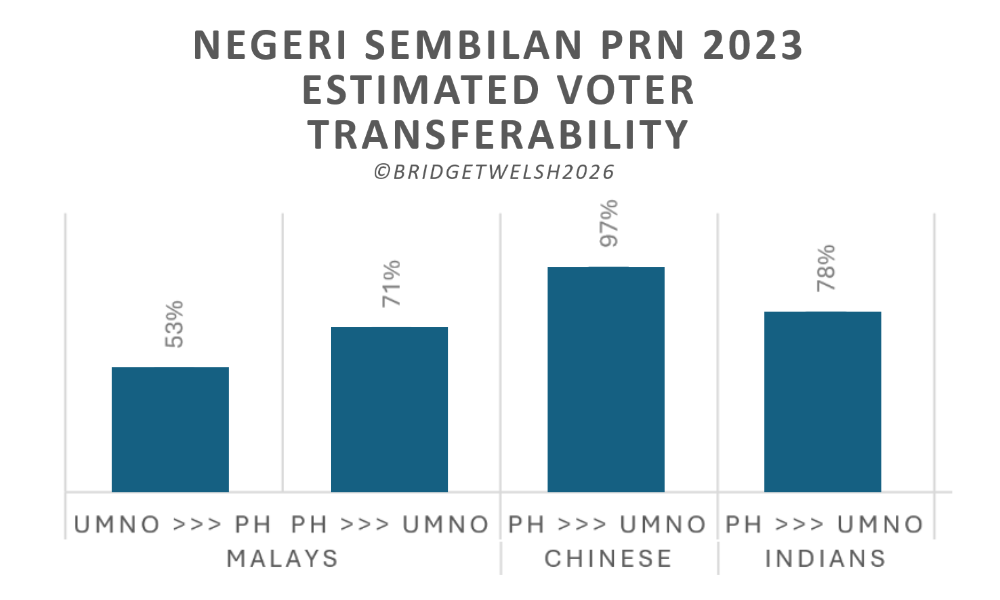
My statistical analysis of the 2023 Negeri Sembilan “saluran” (polling stream) results suggests that among Malays, an estimated 53 percent of BN traditional voters voted for Harapan, while 71 percent of Malay Harapan voters supported Umno-BN.

Non-Malay voters - Chinese and Indians who traditionally supported Harapan were the higher transfer voters, at an estimated 97 percent and 78 percent, respectively.
Umno-BN gained the most in 2023 from voter transferability, a gain that they will not win this round.
The lack of Harapan-Umno transferability will make this contest more competitive. Based on 2023 results, this factor alone impacts more than half of the seats in the state.
4) Multi-state stakeholder conflict
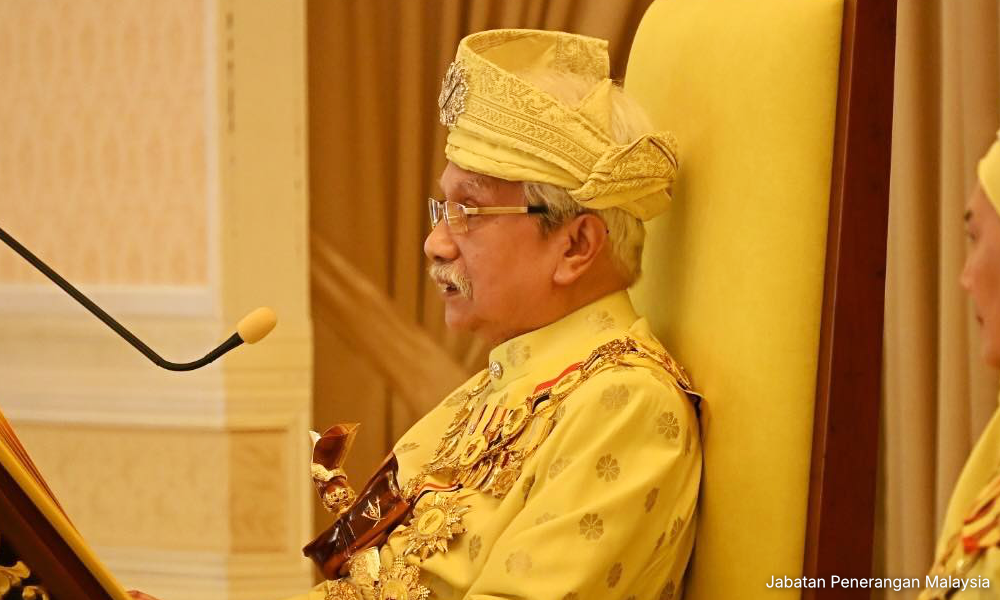
To add to the complexity, this election is not just about state elected representation. It is intertwined with the royal elite crisis, as perceptions of mismanagement of this crisis locally originally led to the destabilisation of the government.
Subsequent responses by various parties, from Umno’s leadership ambitions and departure from the state government, Bersatu leaders supporting some of the royal elites, and Harapan master of ceremony’s insensitively referring to royal (fifth) positions, have heightened these issues.
The story of the Negeri Sembilan state government's collapse in April is well-known, triggered by the withdrawal of Umno from the government.
The drama over the last few months has involved debate over the state constitution, contested interpretations of cultural “adat perpatih” (the Minangkabau customary law) traditions, and (over)reactive politicking.
Differing views of these emotive and sensitive issues will spill over into the coming polls, especially among the 60 percent of Minangkabau voters who are part of the “adat perpatih” practicing community, and especially among older voters who adopt stronger “adat” practices.
Parties have long played an “adat perpatih protector” role in Negeri Sembilan. This was traditionally held by Umno, as the party has traditionally been seen as protecting local customs and institutions, with its candidates part of the “suku” or clans in the various areas of the undang or chieftains.
In recent years, the “adat perpatih protector” role has become more contentious.
Contestation over “adat perpatih” has been growing for some time, well before the crisis.
Discontent has been rising over issues of land/development, inclusion in decision-making, especially of women who are prominent in the Minangkabau community, and management of personalities with ambitions.
Divisions have grown among royal elites as the role of Negeri Sembilan’s “adat” society has changed. Youth, for example, are not as strongly attached to “adat perpatih” customs compared to the past due to a variety of reasons, not least of which is mobility and a brain drain from the state.
Recent dynamics have undercut Umno’s support from the “suku”, evident in voting results. First, there has been the rise of conservative Islam, which has been in tension with “adat”.
This has been most impactful among the young, who are increasingly influenced by conservative religious schools. Second, there has been Umno’s loss of the state government leadership since 2018, curtailing the party’s local role to resolve issues on the ground and strengthen its local network.
Third, Umno support among the “suku” (and more broadly among voters in the state) has eroded, with some of the party elites in the state seen to be more concerned with their own interests rather than protecting institutions.
Competition for the “adat perpatih protector” role has increased. Harapan has worked to establish and strengthen its own “suku” ties, often working around Umno’s networks. This has fed discontent and led to displacement.
Similarly, Bersatu (and now Parti Wawasan Negara with former Bersatu leaders) has launched a challenge to win over “adat perpatih” voters, starting in the last state election.
In seats like Klawang and Juasseh (both highly competitive seats), these issues were intertwined with support for candidates in 2023, and this is likely to be the case in these polls too, given the salience of “adat” issues.
The complicating intertwined dynamic between “adat perpatih”, royal elite dynamics, tight social networks, and party positioning has further added to the uncertainty, and taken this contest directly into local communities, making the polls highly personalised for some voters and raising stakes in the outcome.
This factor could similarly influence voting in more than half of the state seats.
5) The second-half campaign reaction
There is another factor that heats up the polls - the cili padi of an ethnic campaign. The emotional discourse in this campaign is already evident, with narratives around blame and betrayal percolating.
A worrying racialised overtone is already present on the ground. Increasingly, the move toward ethnic polarisation is growing.
Negeri Sembilan’s campaign looks more poised to become rhetoric-intensive (at least for now) compared to the Johor polls, in part because of the higher political fragmentation and the significant stakes of the polls.
Umno-BN goes into Johor with a clearer incumbent advantage than the Madani government does in Negeri Sembilan.
What will make the Negeri Sembilan campaign unique is that it is effectively longer and will have spillovers from the Johor contest and its results. This will inevitably impact turnout and the campaign narratives.
Traditionally, higher overall turnout usually benefits Harapan, but in these polls, given ongoing swings away from Harapan in recent elections and complexities of local conditions, this may not be the case.
Managing risk ahead
The election is thus a precarious one. Uncertainty is high, with stakes similarly so.
It will be challenging for all of the main coalitions to get enough seats to form a majority in a context of high political fragmentation.
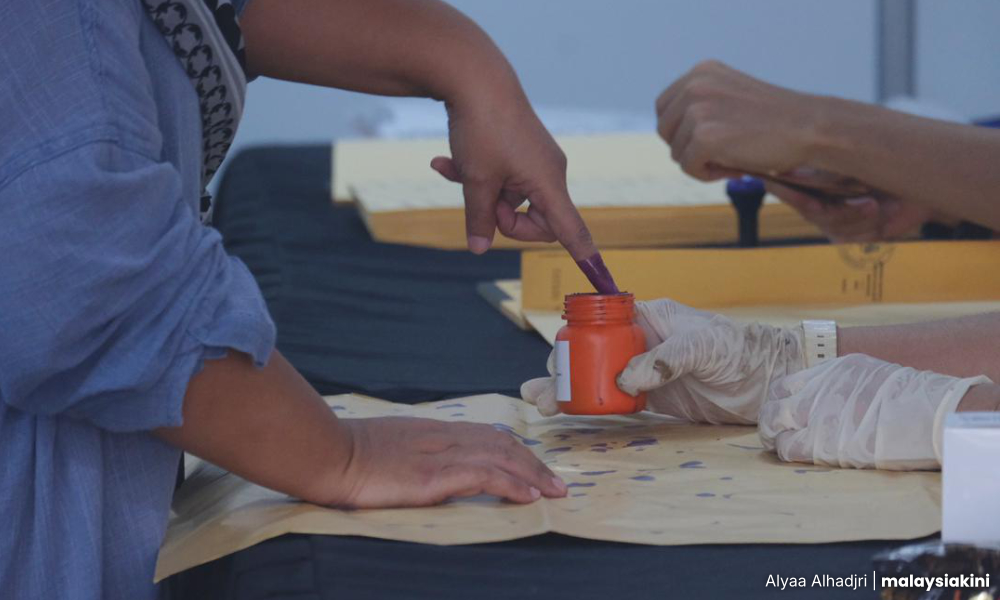
Based on recent voting, this will not be easy for any of the coalitions.
It will require statesmanship for cooler heads to prevail after a heated campaign. Based on recent attacking political rhetoric, this will also be challenging.
It will make the Negeri Sembilan polls critical to watch, not just for its voters, but for Malaysia’s political future ahead. - Mkini
BRIDGET WELSH is an honorary research associate of the University of Nottingham’s Asia Research Institute, a senior research associate at Hu Fu Centre for East Asia Democratic Studies, and a senior associate fellow at The Habibie Centre. Her writings can be found at bridgetwelsh.com.
The views expressed here are those of the author/contributor and do not necessarily represent the views of MMKtT.

No comments:
Post a Comment
Note: Only a member of this blog may post a comment.