


Migrant rights group Tenaganita has questioned the need for Malaysia to recruit additional foreign workers, noting that many Bangladeshi migrants in the country are already in dire circumstances despite arriving through official channels.
Its executive director, Glorene Das, warned that expanding recruitment without first addressing existing systemic failures risks leaving more workers trapped in debt, unemployment and irregular status.
“A fundamental question remains unanswered: Why is there a need to recruit more workers when many who arrived through officially approved channels are still unable to access decent employment, remain trapped in debt, or have become undocumented through no fault of their own?” she asked in a statement today.
Glorene said that many workers paid hefty recruitment fees or took on substantial debts to migrate through officially approved channels, only to discover that promised jobs were unavailable or did not exist.
She pointed out that many Bangladeshi workers became undocumented not by choice, but due to employer abandonment, recruitment fraud, permit renewal failures, company closures and restrictive policies.
“As a result, significant numbers of workers were left stranded, unemployed, underemployed, or pushed into irregular situations. These workers did not fail the system. The system failed them,” she added.

Tenaganita’s statement comes amid bilateral talks between Malaysia and Bangladesh earlier today, during which Bangladesh Prime Minister Tarique Rahman requested Malaysia to consider recruiting more Bangladeshi workers and to reopen Malaysia's labour market as soon as possible.
Bernama reported that the discussions came as Prime Minister Anwar Ibrahim and Tarique agreed that the exploitation and mistreatment of migrant workers must not be tolerated, while pledging to make the recruitment process more transparent, fair and affordable.
Transparent, independent assessment
While welcoming efforts by both governments to improve labour migration governance, Glorene said that any move to reopen or expand recruitment must begin with a transparent and independent assessment of the workers affected by recruitment and employment failures.
She warned against treating labour migration as a “revolving door”, in which new workers are brought in while existing workers remain trapped in situations of vulnerability and exploitation.
“Migrant workers must not be treated as commodities to satisfy labour demands, generate profits for recruitment agencies, or increase remittance flows.
"They are human beings with rights, dignity, families, and aspirations. Any labour migration system must be centred on their protection and well-being rather than commercial interests,” she said.
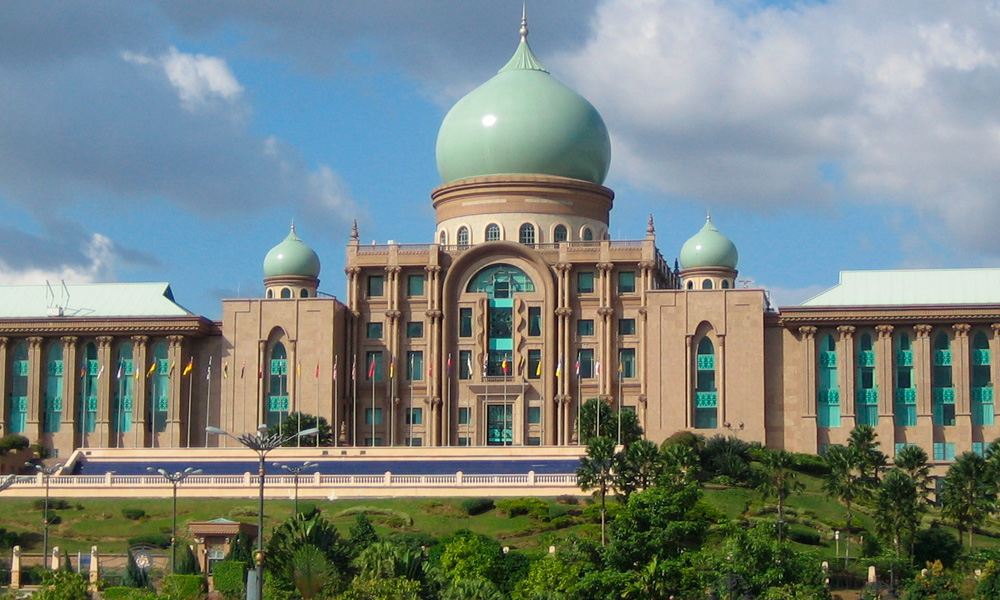
Glorene also called on Putrajaya to introduce a rights-based regularisation process to allow affected workers to regain legal status without fear of detention or punishment, while strengthening accountability against employers, recruitment agencies and intermediaries responsible for abuses.
She stressed that piecemeal measures and periodic recruitment drives cannot substitute for systemic reform, stating that Malaysia needs a comprehensive national labour migration policy covering recruitment, placement, worker mobility, protection, access to remedies, and accountability. - Mkini

No comments:
Post a Comment
Note: Only a member of this blog may post a comment.