


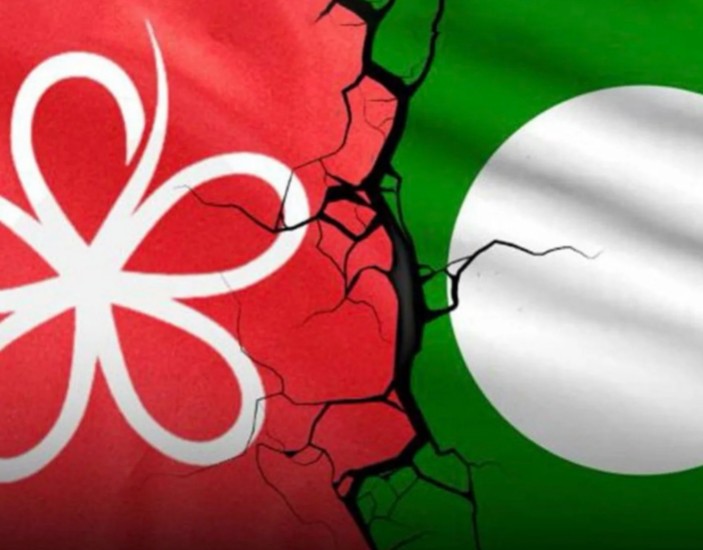
HOW is the Perikatan Nasional (PN) coalition with PAS in command going to oppose and defeat the Pakatan Harapan (PH)-led coalition, especially when UMNO remains part of the larger ruling alliance?
In the case of Johor, it is already clear that UMNO intends to go solo. Whether such a practice will be repeated in other states remains to be seen.
The foremost question in the minds of the electorate is whether PAS and Bersatu are going to remain the anchors of the larger opposition coalition.
As it is, things are not looking very good for the political ties between PAS and Bersatu.
The resignation of Bersatu president Tan Sri Muhyiddin Yassin from PN’s chairmanship has led to the slow but sure souring of relations between the two parties.
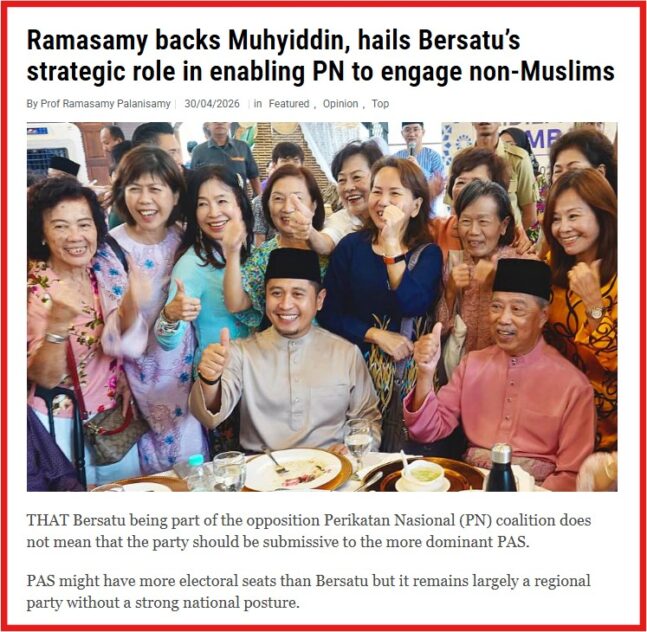
The ouster of Bersatu deputy president Datuk Seri Hamzah Zainudin and his associates from the party – and their supposed entry into PAS – has further complicated the relationship.
Muhyiddin’s brainchild, the loose coalition known as Ikatan Prihatin Rakyat (IPR) might not be well-received by PAS.
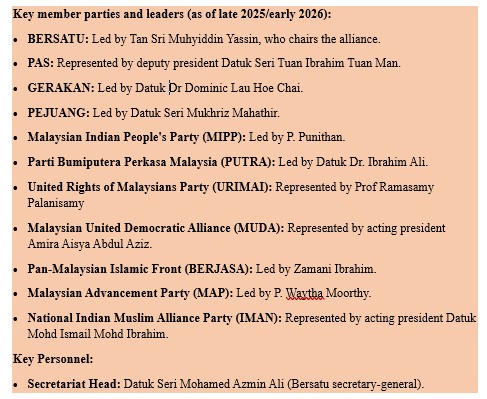
Perhaps it gave the impression that Muhyiddin was creating a power base outside PN. Not all IPR component parties are PN members. Only Gerakan and MIPP (Malaysian Indian People Party) are PN members while others have applied but are still awaiting a response.
Some political parties such as Urimai (United Rights of Malaysian Party) and Malaysian Advancement Party (MAP) are not component parties of PN.
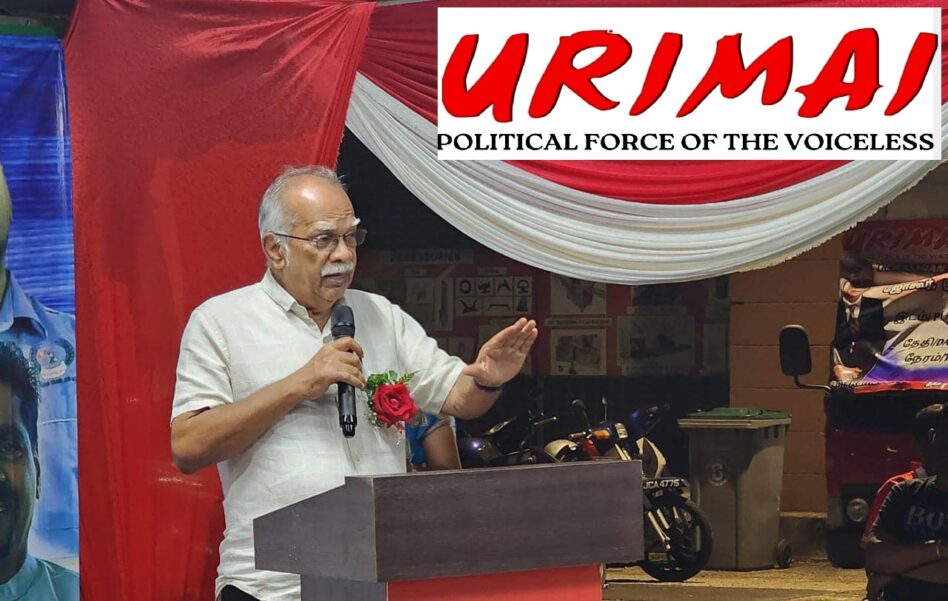
‘Urimai comfortable with Bersatu’
Recently, there were attempts to describe these two parties as Trojan horses with the potential to undermine PN or PAS if admitted.
In any case, these two parties have not applied to join PN and are comfortable remaining within IPR.
Recently, some PAS leaders commented that IPR might not be incorporated into the PN coalition. In other words, IPR members would have to stand on their own in facing elections.
Since I can only speak on behalf of Urimai, it is perfectly alright if Urimai is not admitted into PN. Urimai is quite comfortable facing elections either collectively through IPR or in association with Bersatu.
Urimai is not hard up to join PN. Surprisingly, PN and PAS speak of creating an opposition bloc to confront the ruling coalition yet they have failed to create and sustain opposition solidarity.
Bersatu has not decided whether it will go alone in the coming elections with IPR by its side.
If PAS proves recalcitrant by choosing only certain parties within the broader opposition framework while excluding others, then the Bersatu leadership needs to re-think whether it wants to remain tied to PAS within PN or seek the support of IPR in opening another opposition front against the ruling Madani government.
Bersatu has the potential to create another opposition coalition. It might be able to attract support from both non-Malays and Malays, especially in states such as Penang, Perak, Selangor and Negeri Sembilan, to name a few.
PAS’ strongholds remain the Malay-majority SG4 states of Kedah, Kelantan, Perlis and Terengganu.
The tragic reality is that the lack of unity among opposition parties might become a major setback in efforts to remove the PH-led coalition government.
If this happens, PAS cannot turn around and blame other political parties that sought to build a broader and more inclusive opposition bloc to challenge the Madani government.
Former DAP stalwart and Penang deputy chief minister II Prof Ramasamy Palanisamy is chairman of the United Rights of Malaysian Party (Urimai) interim council.
The views expressed are solely of the author and do not necessarily reflect those of MMKtT.
- Focus Malaysia.

No comments:
Post a Comment
Note: Only a member of this blog may post a comment.