


Deputy Women, Family and Community Development Minister Lim Hui Ying responded to Kepala Batas MP Siti Mastura Muhammad in Parliament today regarding abortion and abandonment of babies.
Lim said that abortion was illegal in this country and declared that clinics conducting it were also illegal.
She is mistaken on both accounts, and the response adds to the misinformation and stigma surrounding unintended pregnancies.
Too many people in Malaysia still wrongly believe that abortion is illegal. The law allows registered medical practitioners to provide termination of pregnancy under specific legal and clinical conditions.
Misinformation prevents women and girls from seeking timely medical advice, discourages healthcare providers from offering lawful care, and pushes people facing unintended pregnancies towards risky, unsafe, clandestine and unregulated options.
It also intimidates healthcare providers and undermines their clinical judgement from doing what the law actually permits.
Under Section 312 of the Penal Code, termination of pregnancy may be lawfully performed by a registered medical practitioner when, in good faith, the doctor is of the opinion that continuing the pregnancy would involve risk to the life of the pregnant woman, or injury to her mental or physical health, greater than if the pregnancy were terminated.
This legal position must be clearly understood by the public, healthcare professionals, regulators, hospitals, private clinics and law enforcement agencies.
Terminating a pregnancy in Malaysia is legal and highly regulated. Even the medications needed for medical abortion, mifepristone and misoprostol, are unavailable legally in this country.
Unplanned pregnancies high
Unintended pregnancy is a major and serious public health issue in Malaysia.
Data from the National Population and Family Development Board, an agency under the Women, Family and Community Development Ministry, is available.
It reported that the unmet need for family planning was about 26.7 percent in 2022, one of the highest rates among Asean countries.
Contraceptive prevalence among women of reproductive age remained low at 42.8 percent, and modern contraceptive use was only 34.5 percent.
These are worrying when 33 percent of Malaysian women experience an unplanned pregnancy in their lifetime.

These numbers show that many women and girls are not getting the information, services and contraceptive options they need to plan pregnancies safely and with dignity.
When one in three pregnancies is unplanned, the answer cannot be stigma, silence, judgement, or punishment.
The answer must be better access to contraception, accurate and comprehensive age-appropriate sex education, confidential counselling, reproductive health services, affordable family planning, and safe, legal, non-judgmental medical care when women and girls seek help.
Safe measures, support available
The World Health Organisation recognises abortion as a common health intervention and states that it is very safe when carried out using recommended methods, appropriate to pregnancy duration, and by someone with the necessary skills.
WHO also lists mifepristone and misoprostol on the Essential Medicines List. Medical abortions are considered safe and effective.
WHO also warns that barriers to safe, timely, affordable and respectful abortion care can push women and girls towards unsafe abortion. This could result in serious injury, disability, and premature death.
Healthcare providers must not turn away women by claiming that abortion is illegal in all circumstances.
They have a duty of care to provide accurate information, assess patients properly, respect confidentiality, offer appropriate referrals, and ensure that women receive post-abortion care without judgment or threat of punishment.
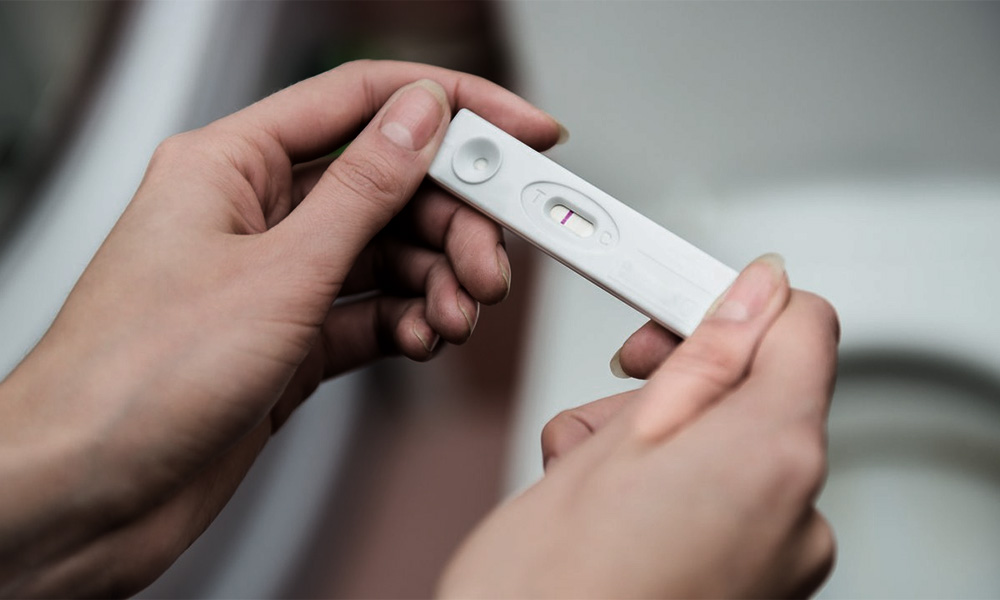
Women and girls facing unintended pregnancies are often already dealing with fear, intimidation, financial insecurity, coercion, abandonment, intimate partner violence, sexual violence, family pressure, health risks or mental distress.
Criminalising, shaming or intimidating them does not prevent abortion. It only delays care, increases risk, causes desperation, and deepens harm.
We need more compassion when dealing with these issues. Malaysia must move away from treating unintended pregnancy and abortion as moral failures or criminal problems. They are health, rights and social protection issues. - Mkini
AZRUL MOHD KHALIB is CEO of the Galen Centre for Health and Social Policy.
The views expressed here are those of the author/contributor and do not necessarily represent the views of MMKtT.

No comments:
Post a Comment
Note: Only a member of this blog may post a comment.