


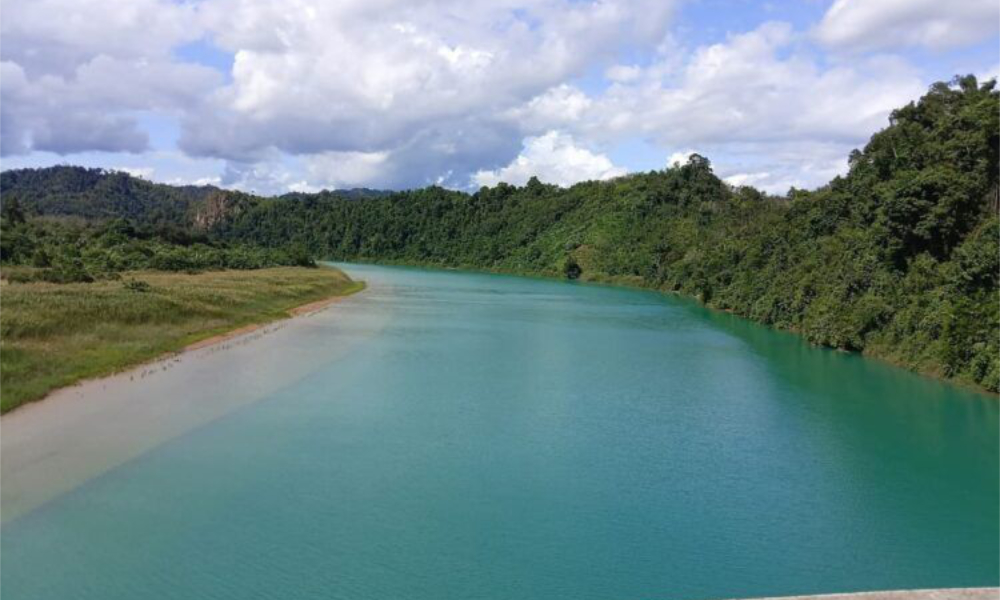
Three police reports were lodged after parts of Sungai Perak near Gerik, Perak, turned greenish-blue again, with fisherfolk reporting fish die-offs.
This comes less than four weeks after a state agency found that one tin mine, which was allowed to discharge effluent, had met environmental quality standards.
Perak Minerals and Geoscience Department director Nizarulikram Abdul Rahim said the State Environmental Quality Council (EQC) was satisfied with the improvements that the mine had made to treat effluent discharged into the river system.
To discharge its effluent, the mine operator has built a new off-river treatment (ORT) system that continues to meet discharge standards, said Nizarulikram.
The latest incident came about six months after three mining operators in Hulu Perak resumed operations following their suspension over a similar pollution incident last October.
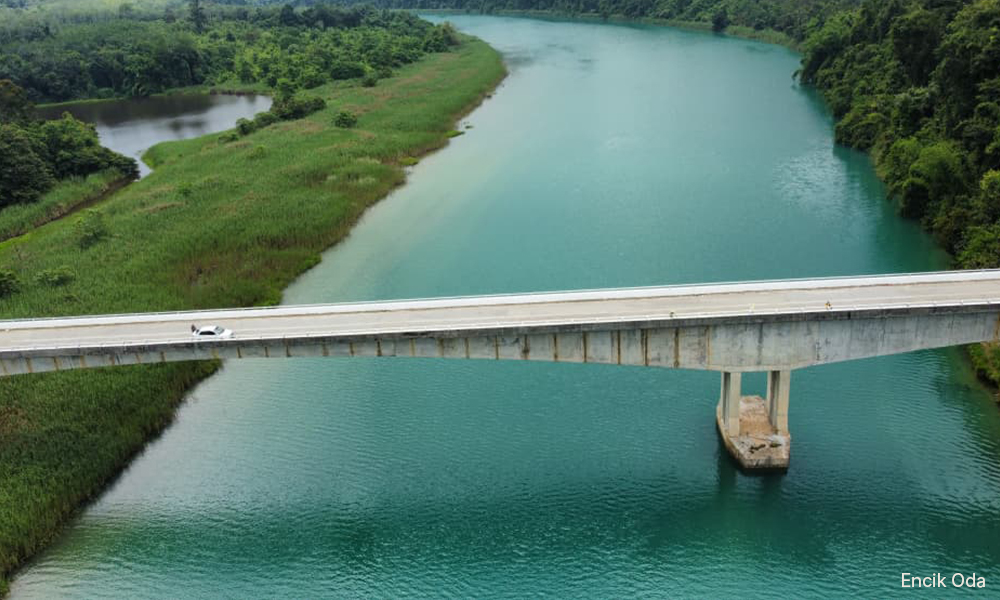
At the time, then acting natural resources minister Johari Abdul Ghani told a special chamber sitting in Parliament that the radiation readings at one of the suspended mines exceeded permissible limits
‘Not from the mine’
Nizarulikram told Malaysiakini that the tin mine, which released treated effluent into tributaries that flow into Sungai Perak, was not the reason the river changed colour on Saturday, July 11.
“The department has conducted an inspection at the mine, (the pollution) is not from the mine,” he responded via WhatsApp.
“Fish deaths could arise from various causes, including high turbidity in Sungai Rui resulting from land clearing for plantations, logging and sand extraction. These upstream activities fall outside the department's jurisdiction,” he explained.
Asked about the other two mining operations along tributaries feeding Sungai Perak, Nizarulikram did not elaborate.
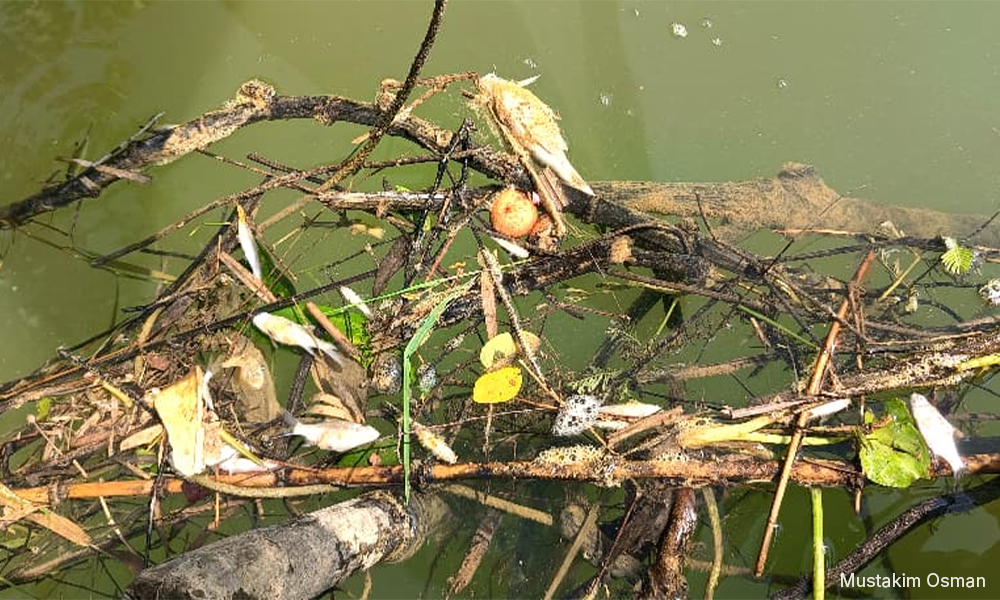
In a police report lodged on July 11, freshwater fisherfolk Mustakim Osman said he saw the water of Sungai Perak turning greenish-blue.
“From my observations, I found various oily substances floating on the river surface," he said in his police report sighted by Malaysiakini.
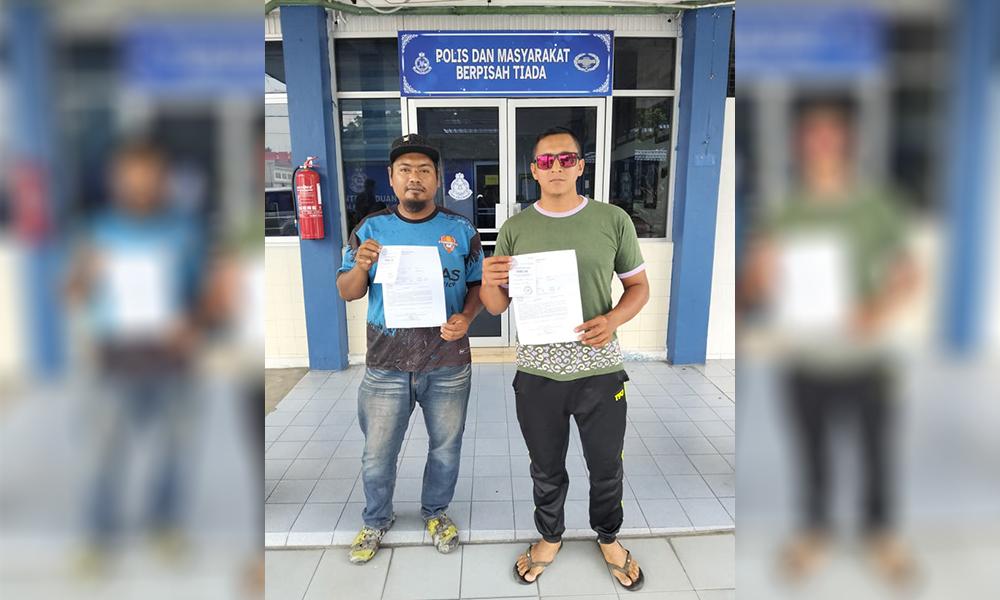
Mustakim's was one of three police reports lodged separately at the Gerik police station. The other complainants are freshwater fish trader Sharel Kassim and tour guide Abdul Halim Abdullah Hamid.
All three complainants urged the authorities to immediately investigate the source of the contamination, identify those responsible and resolve the problem.
New system to treat effluent
Last October, when the river turned blue, a rare earth operation and two tin mines in Hulu Perak, northeast of the state, had their operations suspended.
The mines were allowed to resume operations after they took remedial measures, and one mine installed the ORT system to treat its effluents, Nizarulikram said.
On June 16, Nizarulikram announced in a Facebook post that remediation measures undertaken by mining operators had satisfied the EQC.
Sources familiar with the matter and Nizarulikram's own Facebook post indicate that the EQC was briefed on the ORT system implemented by that one mine.
Shedding light on the new system, Nizarulikram told Malaysiakini: “Following recommendations by a multi-agency task force, the previous practice of effluent treatment with lime dosing carried out directly within the river was discontinued.
“The ORT system involves the construction of several effluent retention ponds to ensure that the final effluent contains only trace amounts of metals.
“The final effluent passes through an innovative water treatment system utilising lime dosing.
“This is followed by a flocculant to precipitate any remaining dissolved metals,” he explained.
A flocculant is a chemical additive that promotes particle clumping.
Nizarulikram added that the resulting clear water discharged from the final pond must comply with effluent standards set by the department before entering the river.
Lime consumption in this ORT system is 70 percent lower than that previously applied in the in-river lime dosing method.
Nizarulikram said one ORT facility near a river that originates from the hard rock open-pit tin mine was already operational.
A second facility on the opposite side of the first remained under construction and was expected to begin operating in early January next year.
He assured that analysis of treated discharge from the operational ORT showed that effluent readings complied with the department's requirements.
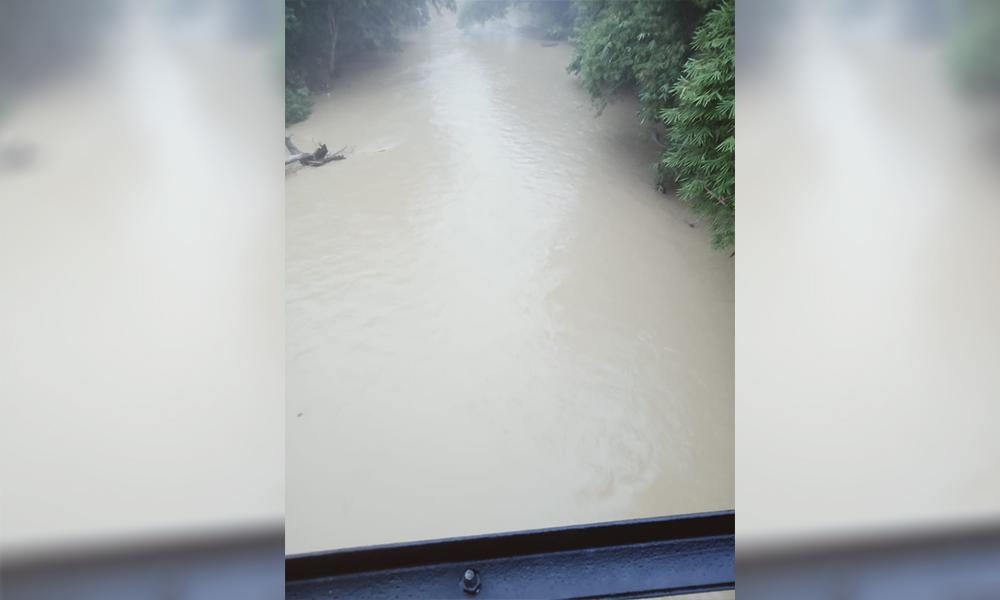
Asked whether the milky-white river observed on July 10 before it turned greenish-blue originated from the second ORT area, Nizarulikram said the department's inspection did not indicate that the mine was responsible.
"The department has inspected the mine. Its jurisdiction covers only the area within the mining lease.
“Investigations outside the lease are conducted solely to determine whether the source of pollution originates from within the mine," he added.
Police reports in limbo
Gerik police told Malaysiakini that all three reports had been forwarded to the district Irrigation and Drainage Department (DID) for further action.
However, when contacted, Gerik DID said it had not received any of the police reports, either electronically or by post.
Nizarulikram said he was also unaware of the police reports.
Speaking to Malaysiakini after lodging his report, Mustakim said fish deaths had become increasingly frequent whenever the river changed colour.
"There are days when the river turns milky white. At other times, there are dark green streaks, dark grey water and often a foul smell,” Mustakim said.
Nizarulikram said the department was aware of villagers’ complaints about recurring pollution because its officers had joined a Hulu Perak villagers' WhatsApp group to keep abreast of developments in the river system.
Sharel reported finding dead fish floating along the river, while tour guide Halim said he saw the river’s water change to greenish-blue at the Kampung Sungai Papan bridge that crosses Sungai Perak.
Videos recorded on July 11 by fisherfolk and shared with Malaysiakini showed numerous dead fish floating along affected stretches of the river.
Arsenic warning
Retired Universiti Teknologi Malaysia professor Maketab Mohamed said the river's colour was "most probably copper".
"But of toxicity concern is arsenic," Maketab, a former Occupational Safety, Health and Environment director, who has visited several sites along the river, told Malaysiakini.
He said copper compounds could explain the river's striking colour, but arsenic remained the greater concern because prolonged exposure has been linked to cancers, cardiovascular disease, diabetes and neurological disorders.
He noted that concerns over arsenic were not new.
In 2019, the National Water Services Commission ordered the closure of the Air Ganda water treatment plant, near Lenggong, Perak, after finding arsenic in the river water it draws from.
The contamination affected more than 1,500 residents. - Mkini

No comments:
Post a Comment
Note: Only a member of this blog may post a comment.