


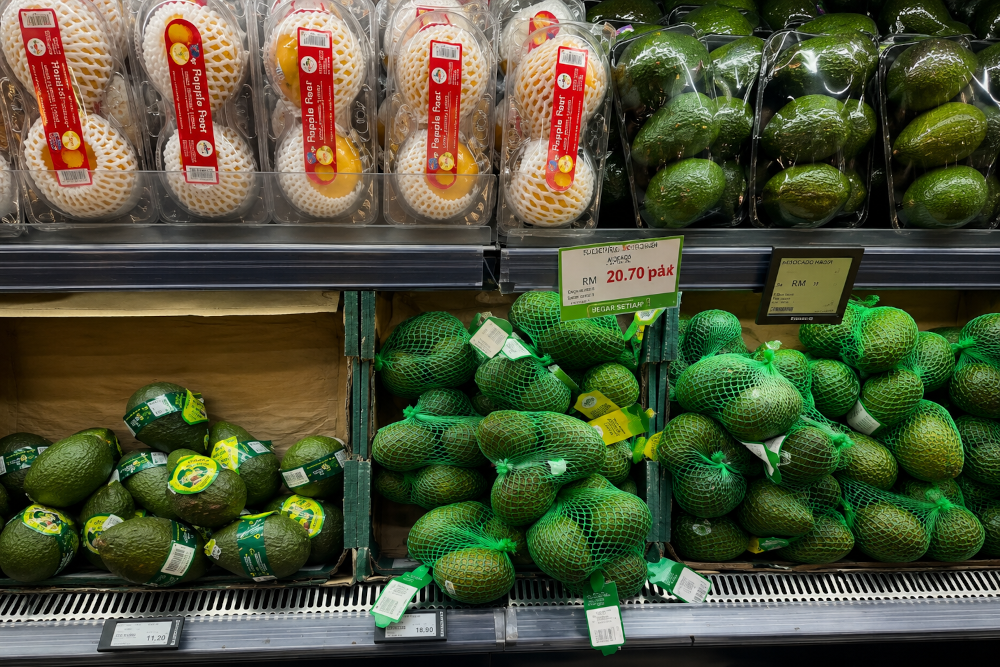
KUALA LUMPUR, July 17 — There was a time when breakfast was simple.
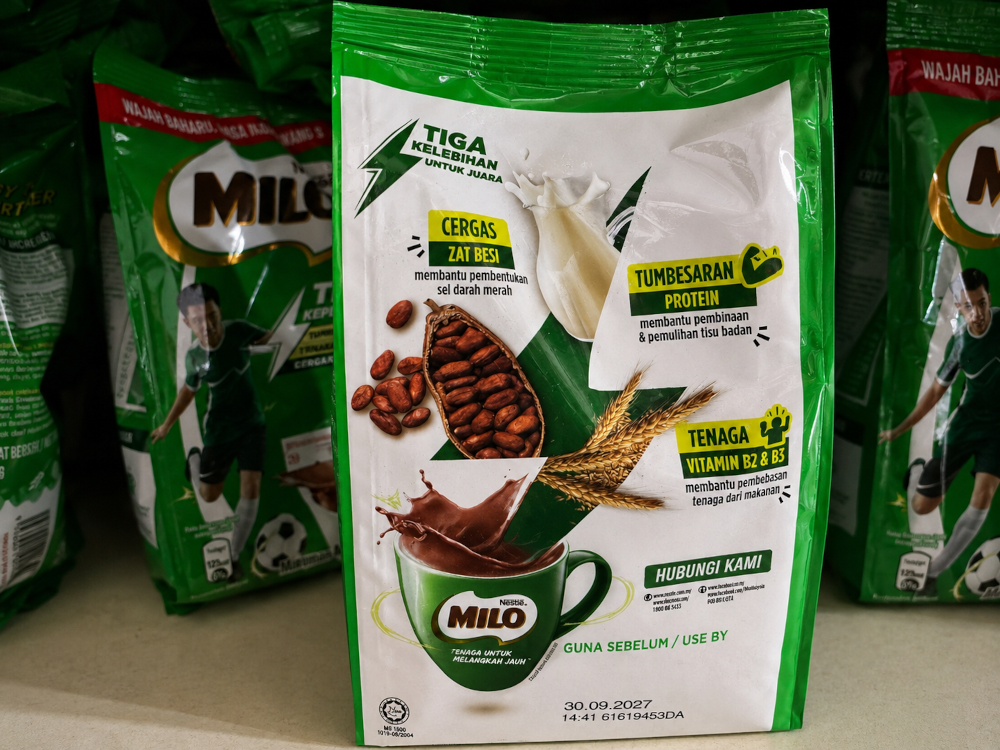
A couple of slices of bread spread with peanut butter, a bowl of cornflakes with cold milk and a mug of Milo were enough to start the day.
On some days, it was nothing more than a fried egg sandwich with a generous squeeze of tomato sauce — a quick, comforting school recess snack that many grew up with.
The pantry was rarely without essentials either: a tin of Milo, canned sardines and tuna for easy meals, a bottle of chilli or tomato sauce, and even canned peaches, a sweet after-dinner fruit snack.
These were simply everyday groceries that households bought without having to set aside a specific budget for them.
However, things are different today.
Many of those items, while still readily available on supermarket shelves, have quietly become something else — everyday luxuries.
Not because they are impossible to afford, but because of how much they cost now. They have become groceries that can be skipped, postponed, or bought only when there is a promotion or when it is payday.
There was no telling exactly when these items became almost out of reach. Instead, prices crept up over the years — a ringgit here, a few ringgit there — until many familiar products quietly shifted from pantry staples to occasional purchases.
Rather than emptying their shopping trolleys altogether, many households have changed what goes into them.
The breakfast table
Breakfast is perhaps where the change is easiest to spot.
A loaf of bread may still be affordable, but pairing it with peanut butter or butter, pouring a bowl of cereal with fresh milk and making a mug of Milo costs noticeably more than it once did.
For households watching their spending, these are items to be rationed, replaced with cheaper alternatives or bought only when they are on promotion.
Items that have quietly become everyday luxuries include:
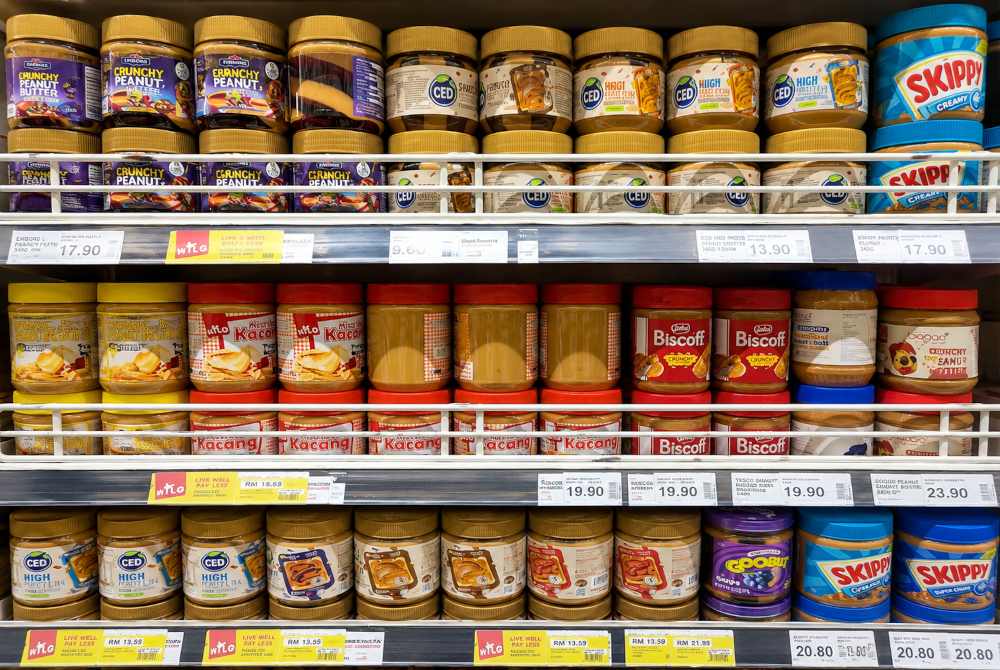
- Peanut butter
- Butter
- Fresh milk
- Milk powder
- Cornflakes and other breakfast cereals
- Milo
- Cheddar cheese slices

In the pantry
The pantry has changed too.
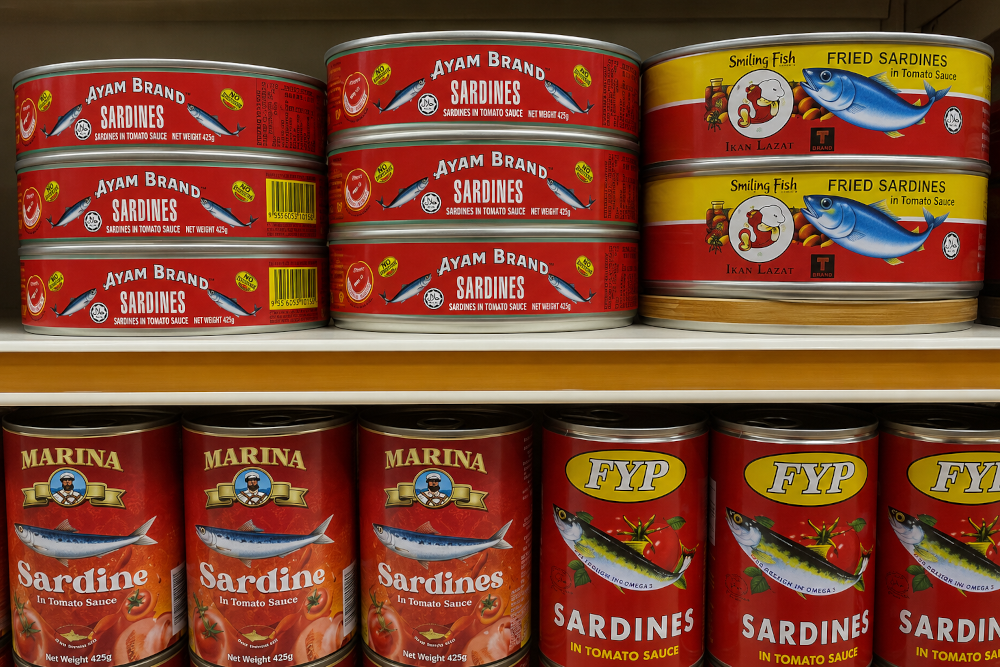
A quick sardine sandwich, tuna on toast or canned peaches after dinner remain familiar comforts, but these are the kinds of groceries that many shoppers can leave out of their trolley without affecting the week’s meals.
Other pantry staples that have become increasingly discretionary include:
- Canned sardines
- Canned tuna
- Canned fruits
- Tomato or chilli sauce
- Olive oil
- Canned mushroom soup
- Jam
Fresh foods and weekend treats
Fresh produce and premium proteins are among the categories where shoppers are most likely to notice higher prices.
Instead of weekly purchases, they have become occasional treats for some households.
These include:
- Blueberries
- Avocados
- Mushrooms
- Salmon
- Beef
- Mutton
Chocolate has also become a purchase many consumers reserve for promotions or special occasions after global cocoa prices surged in recent years.
Why these products?
Dairy products such as butter and cheese are influenced by international dairy prices and milk supply, while chocolate has become more expensive following poor cocoa harvests in West Africa.
As for olive oil, prices surged after repeated droughts affected major producers around the Mediterranean, while imported foods such as beef, salmon, avocados and blueberries remain sensitive to global supply conditions, freight costs and exchange-rate movements.
Even processed pantry staples such as canned sardines and tuna have become more expensive as fish, packaging, transport and other production costs have risen.
None of these items are luxury goods in the traditional sense, but they are the same products that once filled breakfast tables, lunchboxes and kitchen cupboards without much thought.
But as prices have steadily climbed over the years, many items have crossed an invisible line — not beyond reach, but beyond the point where they can be picked up without a second thought.
That shift is perhaps the clearest sign of how the cost of living has changed: not because supermarket shelves are any less full, but because everyday comforts have quietly become purchases that require a little more consideration. - malaymail

No comments:
Post a Comment
Note: Only a member of this blog may post a comment.