


The Public Accounts Committee (PAC) has recommended that the government expedite the transition from the blanket cooking oil subsidy to a fully digital targeted subsidy through the eCOSS system to ensure assistance reaches only eligible Malaysians and curb leakages.
PAC chairperson Mas Ermieyati Samsudin said the recommendation was necessary since the existing distribution mechanism has failed to ensure subsidised cooking oil reaches its intended beneficiaries.
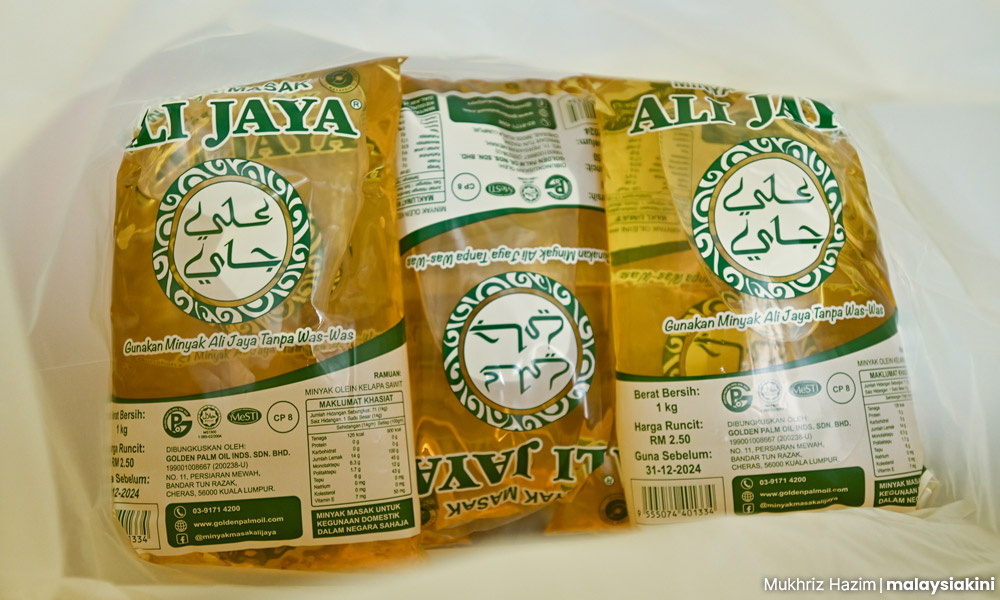
She said the government spent RM10.879 billion on cooking oil subsidies between 2019 and February 2025, but the absence of a targeted distribution mechanism led to the misuse of subsidised 1kg cooking oil packets by ineligible groups, including foreigners and commercial operators.
"The policy has failed to ensure subsidised cooking oil is distributed to those who genuinely need it. There are still breaches of sales conditions involving purchases exceeding transaction limits and sales above the controlled price," she said.
Speaking at a press conference in Parliament after tabling the PAC report, Mas Ermieyati (above, centre) said the committee also recommended that the Domestic Trade and Cost of Living Ministry review the entire cooking oil supply chain and reduce the monthly quota under the Cooking Oil Price Stabilisation Scheme (COSS) from 60,000 metric tonnes.
She said the quota should be aligned with actual domestic demand, which is estimated at between 19,000 and 30,000 metric tonnes per month.
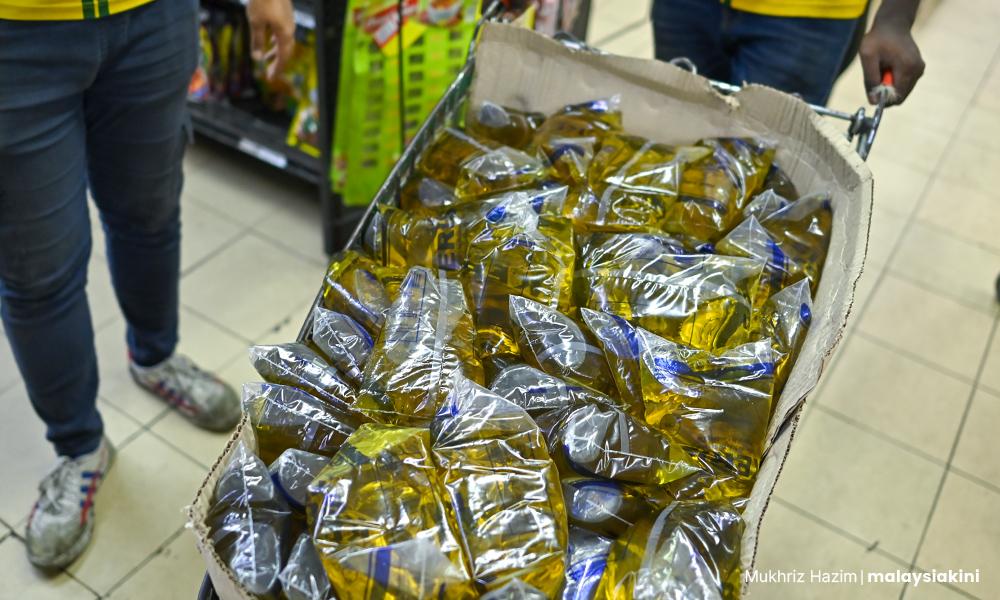
PAC also recommended reviewing the RM600-per-metric-tonne subsidy paid to packaging companies to ensure it is more reasonable and reflects current operating costs.
The committee further urged the government to ensure subsidies are paid only for undamaged cooking oil stocks, after finding that the absence of a standard operating procedure had resulted in the government continuing to subsidise damaged stock that would never reach consumers.
Float cooking oil prices
In the same report, Mas Ermieyati said PAC also recommended that the government study the feasibility of floating cooking oil prices in the open market.
The committee cited the price float mechanism for chicken and eggs as an example of a model that could help ensure stable supply, reduce subsidy spending and encourage healthier price competition.
It also raised concerns over market concentration in the subsidised cooking oil refining sector, noting that 67 percent of the refining quota is controlled by foreign companies, while local GLCs such as FGV and SD Guthrie account for only about 10.6 percent.
The committee therefore urged the government to review the allocation of refining quotas, giving greater priority to competitive local companies.
The PAC report follows the Auditor-General's Report 2/2025, which found shortcomings in the management of cooking oil price controls and subsidies.
They include failures to ensure subsidies reached target groups, breaches of sales conditions, weaknesses in the management of damaged cooking oil stock and issues involving compliance with halal certification. - Mkini

No comments:
Post a Comment
Note: Only a member of this blog may post a comment.