


Letter to Editor
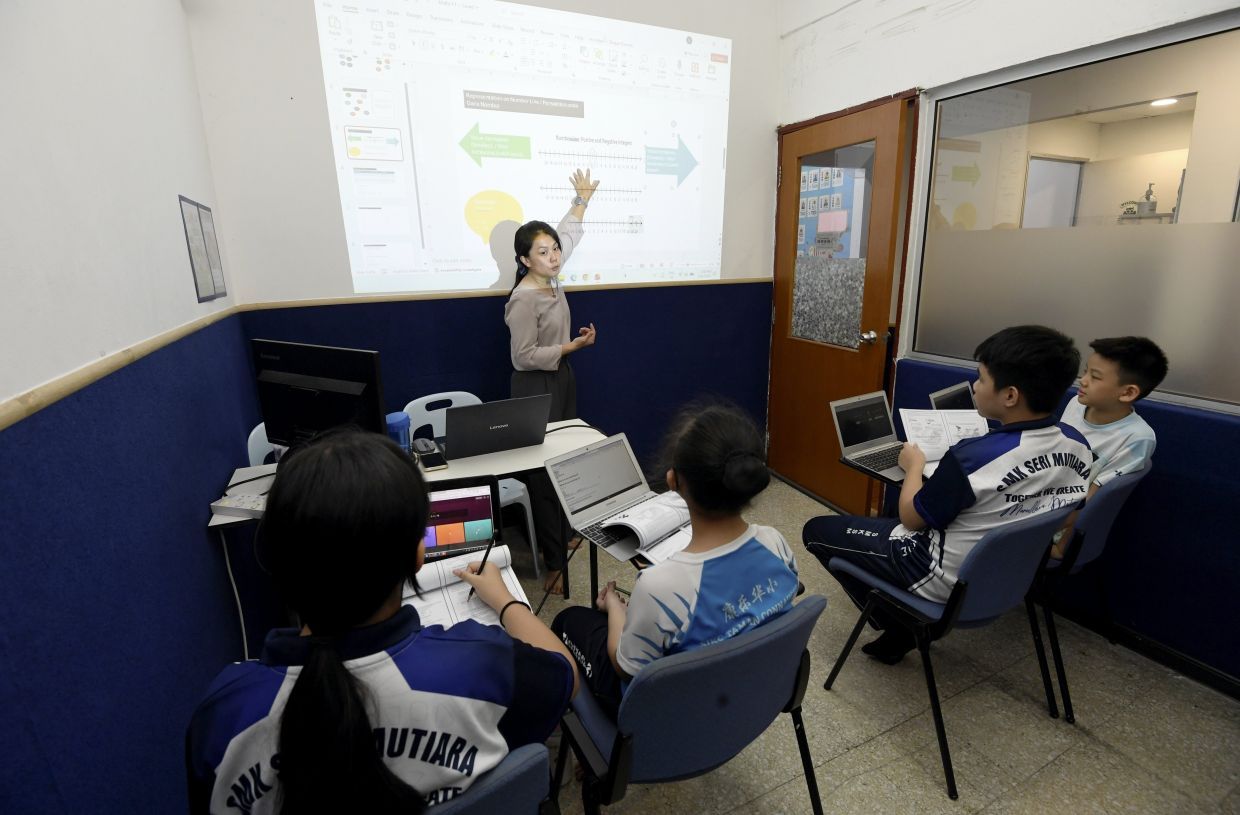
THE reported requirement for tuition centres to have 30% Bumiputera equity as a condition for licence renewal raises an important question: how exactly does requiring an existing business owner to surrender part of his or her equity create genuine Bumiputera entrepreneurship?
As a parent, I know many tuition centre operators have spent years building their businesses from the ground up. They have invested their savings, taken risks, developed teaching programmes, built their reputations and earned the confidence of parents.
Requiring them, after years of effort, to restructure 30% of their ownership simply to continue operating raises legitimate concerns about fairness.
This is not an argument against Bumiputera affirmative action. Malaysia has long pursued policies aimed at expanding Bumiputera participation in business and the economy.
The more important question is whether a particular policy achieves that objective in a meaningful and sustainable way.
True economic empowerment should be about creating entrepreneurs, strengthening capabilities and expanding opportunities.
It should help Bumiputera entrepreneurs establish businesses, access financing, develop skills, compete effectively and build enterprises of their own.
A compulsory equity requirement imposed on businesses that others have already built is a very different proposition.
There is also a larger question for the Ministry of Education. Tuition centres exist primarily because parents want additional educational support for their children.
Regulation should therefore focus on educational standards, teacher quality, child safety, proper governance and the effectiveness of the learning environment. The ownership structure of a tuition centre, by itself, does not determine the quality of education students receive.
Policies affecting ownership rights and long-established businesses deserve particularly careful consideration because their consequences extend well beyond paperwork.
They affect livelihoods, investments and confidence in the stability and predictability of the business environment.
Affirmative action is strongest when it genuinely builds capacity and creates new economic participation rather than merely redistributing ownership.
Bumiputera entrepreneurship should absolutely be supported. The question is whether requiring existing tuition centre owners to relinquish 30% of businesses they spent years building is the most effective and equitable way of achieving that objective.
The government therefore owes affected operators and the wider Malaysian public a clear explanation of how this reported equity requirement would work, who it would apply to, and how it would advance genuine entrepreneurial development while safeguarding confidence in Malaysia’s education and business sectors.
Darshan Singh
Kuala Lumpur
The views expressed are solely of the author and do not necessarily reflect those of MMKtT.
- Focus Malaysia.

No comments:
Post a Comment
Note: Only a member of this blog may post a comment.