


The postal voting system for overseas Malaysians urgently needs reform and can no longer rely on the goodwill of volunteers to keep it functioning, Global Bersih said.
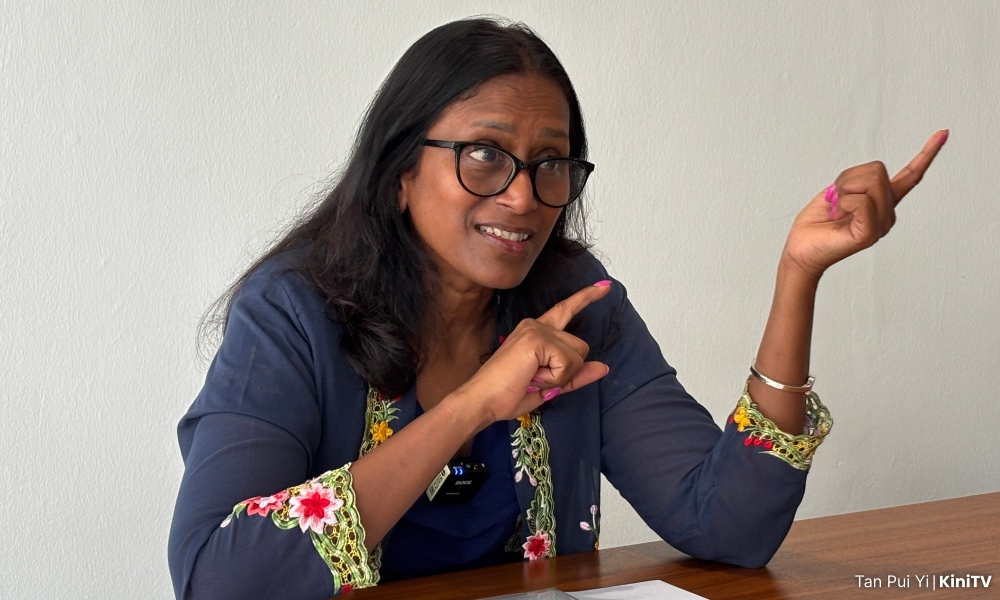
Its president Nirmala Devi Windgaetter said the group could not continue shouldering the responsibility of ensuring overseas ballots reach Malaysia, particularly when its volunteers had their own jobs and lives to manage.
“It is not the duty and responsibility of the civil society organisations (CSOs) to ensure that ballots arrive back in Malaysia. It’s the responsibility of the Election Commission (EC).
“And the right of overseas Malaysians cannot depend on the resources of the CSOs.
“We cannot continue taking over the responsibility of the state, because at the end of the day, these people have lives and work overseas,” she told Malaysiakini.
Since postal voting was expanded to Malaysians living overseas in 2013, Global Bersih has played a key role in mobilising overseas voters and helping them navigate the postal voting process.
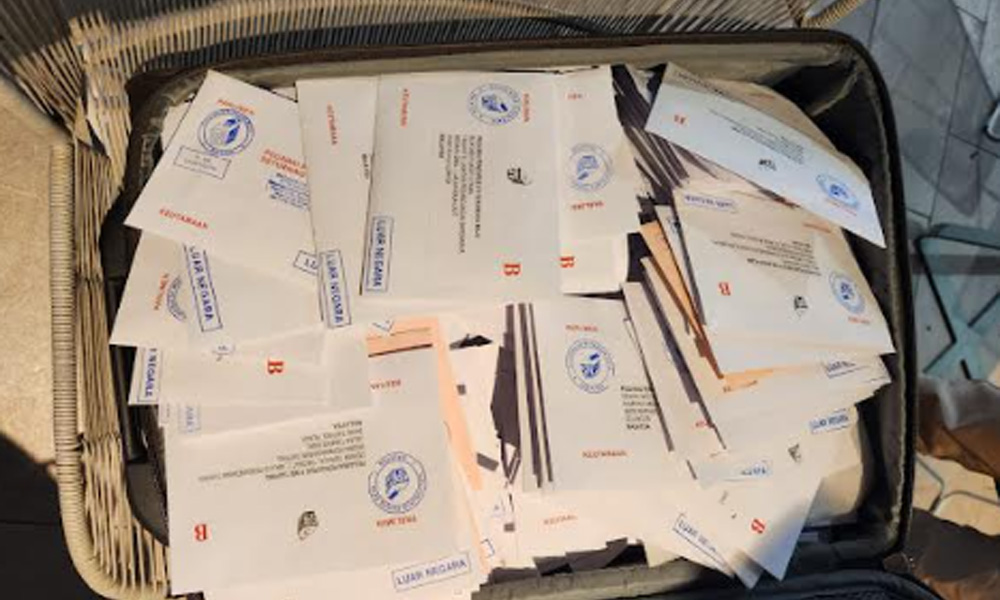
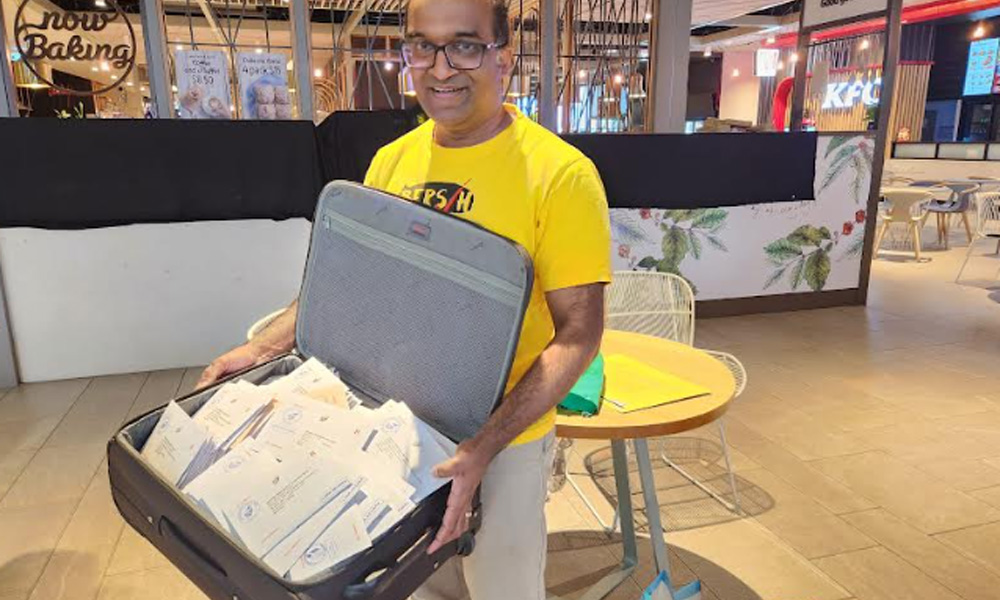
The 2022 general election marked a high point in those efforts, with thousands of postal ballots returning to Malaysia on passenger flights through a coordination effort led by Global Bersih.
However, such volunteer-driven efforts are becoming increasingly unsustainable, with the organisation itself struggling to muster the people and funding needed to carry out its work during elections.
The recent Johor state election highlighted the consequences, Nirmala said, after Global Bersih was unable to conduct its usual voter education and mobilisation efforts.
Relying on volunteers and crowdfunding, the movement lacked the human and financial resources needed to reach overseas voters during the polls.
The impact was reflected in a sharp decline in overseas postal voters compared with the previous Johor election.
According to data published by electoral reform group Tindak Malaysia, overseas postal voters accounted for 21.2 percent, or 7,814, of all postal voters in the 2022 Johor state election.
That fell to just 4.2 percent, or 1,044 voters, in the 2026 Johor polls.
Nirmala attributed the decline to the difficulties and frustrations faced by overseas voters, rather than a lack of interest in Malaysia or its elections.
“It’s not that they’re not interested or invested in the country, but it’s this difficulty and burden that they face that causes the frustration.
“It’s very frustrating for overseas Malaysians. And when you talk about apathy or losing interest, these are the reasons,” she said.
Race against time
For overseas voters, the electoral process often becomes a race against time.
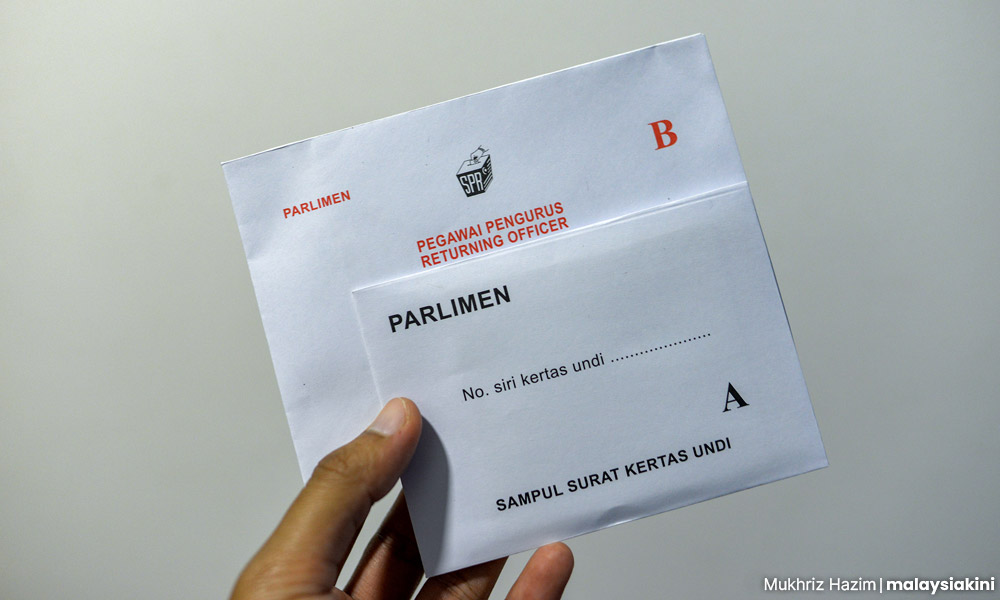
Ballots are only posted after nomination day, leaving voters a narrow window to receive, complete, and return them before polling day.
The problem is compounded by short campaign periods. Nirmala noted that the recent Johor and Negeri Sembilan state elections each had only two weeks of campaigning.
“Take the recent state polls for example, it had 14 days of campaigning, which effectively leaves us with nine working days to sort our ballots. That’s simply not doable,” she said.
To address this, Global Bersih has called for campaign periods to be extended to at least 21 days, giving overseas voters more time to complete and return their ballots.
The group has also spent years lobbying for practical and financially feasible reforms to the overseas postal voting system.
One key proposal is to allow Malaysians living abroad to register as overseas voters on an ongoing basis, rather than having to register each time an election is called.
Nirmala said this would allow voters to update their overseas addresses at any time, enabling the EC to send ballots to their registered address when an election is held.
Alternatively, Global Bersih has proposed a “filling ballot” system, under which blank ballots could be sent to overseas voters earlier, with candidate information added after nomination day.
This would give overseas voters more time to complete and return their ballots while addressing the current problem of ballots being produced only after candidates are confirmed.
To reduce spoiled ballots, the group has also proposed using codes or other methods to identify candidates instead of relying solely on handwritten information, which can be prone to spelling variations.
Another proposed reform is to replace the requirement for overseas voters to find another Malaysian to witness their postal voting declaration with an online verification system.
Under the proposal, voters could be verified remotely by Malaysian embassies or another authorised government channel after presenting their identification documents.
Global Bersih said this would benefit voters in remote areas or countries with small Malaysian communities, where finding another Malaysian witness can be difficult.
Reforms must come before GE16
Although some of its recommendations have been adopted by the EC, Nirmala stressed that reforms must be implemented within an election cycle to have a meaningful impact.
“If the next election is coming and the reform is not happening, then there’s no point, because we’ll still be back at zero,” she said.
She said the upcoming Malacca and Sarawak state elections could provide opportunities to pilot the proposed reforms and identify gaps before the 16th general election.
Nirmala stressed that reforms should be tested before GE16, rather than introduced at the last minute when there would be little time to identify and resolve problems.
Ultimately, she said, responsibility for making overseas voting accessible should rest with public institutions, including the EC and Malaysian diplomatic missions worldwide.
She called for government agencies to take a more active role in targeted voter education through embassies, Malaysian clubs, and social media platforms used by overseas Malaysians.
“We need EC and Wisma Putra to buckle up, do their duty, and to make the system work.
“Only then can we really see if the system works. Because if CSOs keep jumping in and saving the day, you have no measurement if (the system) is working.”
At the heart of the call is a recognition that overseas Malaysians represent a significant pool of voters whose ballots should be treated with the same importance as those cast domestically.
“We take every piece of ballot very seriously; it carries people’s hopes, passion, trust, and future. It’s not just a piece of paper.
“For other people, maybe it’s just a piece of paper, but for me personally, it’s a very human thing. Overseas Malaysians, we definitely deserve better,” Nirmala said. - Mkini

No comments:
Post a Comment
Note: Only a member of this blog may post a comment.