


RM1.69 billion. That is the amount the Inland Revenue Board (IRB) is seeking from former prime minister Najib Abdul Razak in unpaid taxes and penalties covering multiple years.
His son, Nazifuddin Najib, is also facing separate tax enforcement and bankruptcy proceedings.
Both cases are still in court. We know that the longer this drags on, the easier it becomes for the real issue to disappear.
And the question is becoming harder to ignore: why does resolution take so long, when everyone else is expected to pay first and argue later?
Over the days and weeks, from the time we were told about the Sept 4 verdict, one thing is certain. The public conversation has drifted elsewhere.
Notice how we start to argue about elections, pardons, political signals, campaign speeches, the Green Wave, Islamophobia, Malay and non-Malay voters, and whether Anwar has lost his grip on governance.
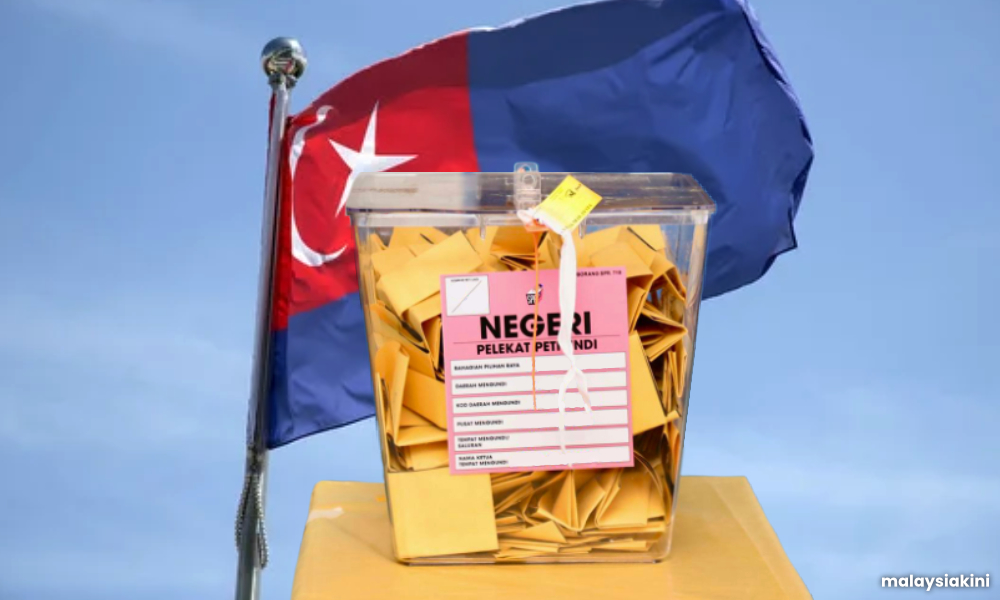
But almost nobody is asking the simplest question. When will Najib and his son’s taxes be paid?
Because somewhere along the way, RM1.69 billion disappeared from the conversation. The money did not vanish, just the conversation.
Different people, different rules
The IRB maintains a simple position: Tax assessed is tax due. Pay first, dispute later. That number has been sitting in the system for years. It was not hidden, it’s not unknown, and not uncertain.
The legal process may be following the procedures available under the law, but to many members of the public, it appears increasingly prolonged and is difficult to ignore.
Appeals, enforcement action, bankruptcy proceedings and further appeals stretching over several years.
More importantly, the public is no longer only asking what the outcome is. They are asking something more uncomfortable. Why does it take so long to reach it?

For ordinary taxpayers, the message is simple: pay on time, or face consequences. Most people do not experience years of legal procedures, appeals, and enforcement steps.
Interestingly, in high-profile cases, the timeline becomes elastic, as we have seen with Najib and son.
On July 7, Umno-Baru secretary-general Asyraf Wajdi Dusuki urged political parties to exercise restraint in campaigning. He criticised attempts to link electoral outcomes to Najib’s possible release.
Apathy
For just one moment, let us forget the election argument and forget whether a BN victory affects a pardon because all that is campaign politics.
Alarmingly, now, everyone is talking about Najib and the state election, and no one is talking about his unpaid taxes.
How did RM1.69 billion in tax claims become a debate about pardons, elections, and politics instead of about paying taxes?

In my view, the legal question is only part of the story. There is also a public confidence question.
From those reports, one broader conclusion can reasonably be drawn. When cases stretch over years, the public stops tracking legal details, and they start tracking time.
Once that happens, interpretation replaces understanding, not because people are irrational, but because waiting has limits.
The issue is no longer whether the system functions. It is whether it functions in a timeframe that still sustains confidence in its outcome.
When justice takes too long to feel complete, something else begins to happen. It is not rebellion, it is not collapse. Something quieter happens. Disengagement. This is when Malaysians have a slow reduction in belief that the process will ever really finish.
Public trust is not destroyed in a single moment. The process is a gradual erosion through repetition, delay, and the growing sense that resolution is always one step further away than expected.
Matter of public confidence
Of course, reasonable people may disagree. True cynics might argue that this is not an exception. It is the story of Malaysia through decades of governance.
Once trust begins to erode, even correct outcomes arrive with diminished impact. Because they arrive late in the story, most people are already mentally exhausted.

So the question is no longer simply: Is the system fair? It becomes: Is the system fast enough for fairness to still be believed while it is happening?
This is not a call for shortcuts. It is a call to recognise a structural truth: justice is not only measured by what it decides. It is also measured by how long it takes to be believed.
When the gap between process and resolution becomes too wide, trust does not wait patiently in the background. It slowly erodes.
Taken together, the published reports point to something larger than one tax dispute. They raise questions about accountability and public confidence.
Prolonged legal processes can change how people view institutions. The greatest danger is not only delay; it is distraction. When everyone argues about politics, accountability can quietly slip out the back door.
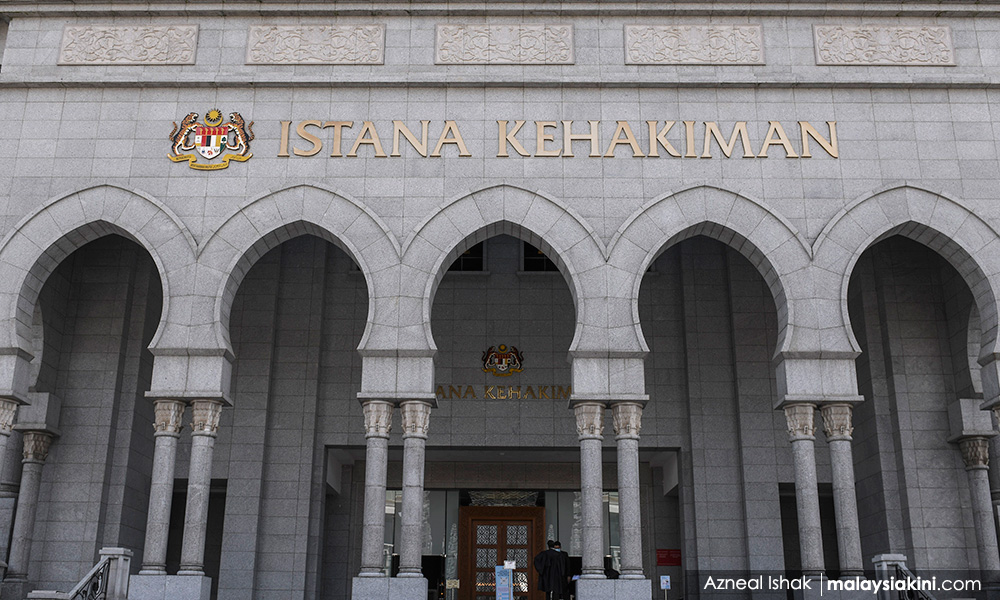
Malaysia does not need another argument about elections or pardons. It needs an answer to a much simpler question: When will the tax cases finally be resolved?
A court may eventually reach the right decision, but if people lose trust before that happens, the damage is already done.
A healthy democracy does not just need justice. It needs the public to keep its eyes on the right question. - Mkini
MARIAM MOKHTAR is a defender of the truth, the admiral-general of the Green Bean Army, and the president of the Perak Liberation Organisation (PLO). Find her on her website and on X.
The views expressed here are those of the author/contributor and do not necessarily represent the views of MMKtT,

No comments:
Post a Comment
Note: Only a member of this blog may post a comment.