


Iranian Foreign Ministry spokesperson Esmaeil Baqaei said that the Strait of Hormuz will never return to the situation that existed before the war.
He stressed that an agreement with Oman does not mean reopening of the strait, the Islamic Republic News Agency (Irna) reported, citing a local broadcaster.
Speaking in a televised interview on Sunday night, Baqaei said that discussions between Tehran and Muscat over the future of the Strait of Hormuz had been underway for some time, aimed at reaching a specific framework to ensure safe maritime navigation in the area.
“Under no circumstances will the Strait of Hormuz return to the situation before the war (Feb 28),” Baqaei said.
He explained that Iran and Oman, as the two coastal states of the Strait of Hormuz, have a shared responsibility to cooperate on maritime security and safe navigation.
According to him, talks between the two countries began immediately after the ceasefire on April 8, with several rounds of exchanges taking place.
Baqaei noted that the first foreign trip by Iran’s Foreign Minister Abbas Araghchi after the war was to Oman, where discussions with the sultan of Oman and the country’s foreign minister included the issue of the Strait of Hormuz and the establishment of a secure maritime route.
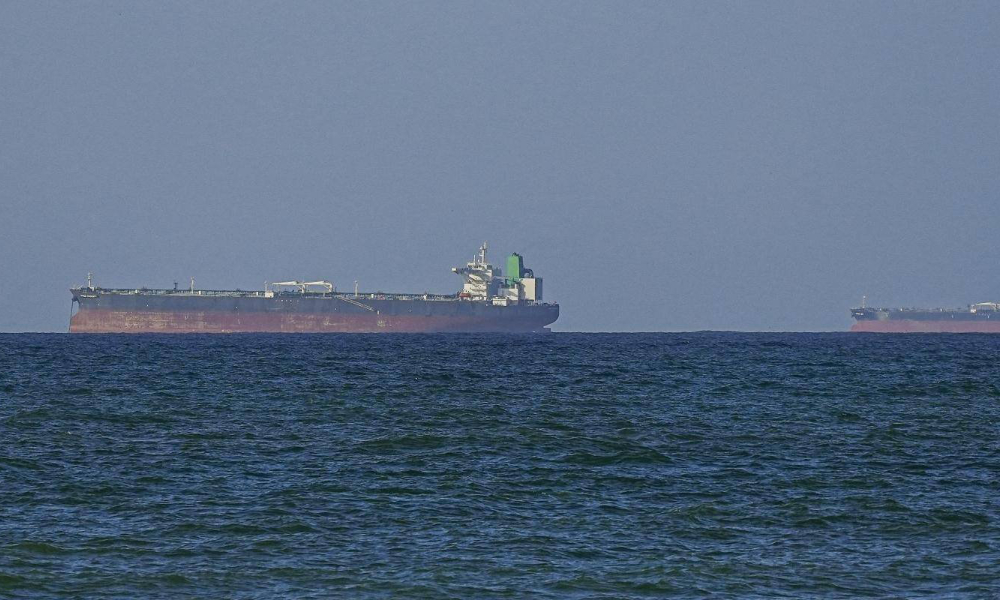
The Iranian diplomat also referred to the provisions of the memorandum of understanding on ending the war, stating that under its fifth clause, the future management of the Strait of Hormuz should be carried out by Iran in consultation with Oman and through dialogue with regional countries.
“During the first 22 or 23 days of implementing the agreement, the northern route of the strait was completely secure, and ships were passing through it.
“However, before the end of the 30-day period envisioned for restoring maritime traffic to pre-war conditions, an act of aggression against Iran took place,” he said.
New route
Baqaei added that the future agreed route in the Strait of Hormuz would be neither the current northern route nor the current southern route but rather a new route to be determined through an agreement between Iran and Oman.
He emphasised that Tehran’s talks with Muscat are bilateral in nature and do not concern any third party.
“We must ensure that the Strait of Hormuz cannot be misused by parties that have committed aggression against Iran. This requires a mechanism in which Iran’s sovereign rights are fully respected,” Baqaei said.
In another part of his remarks, the Iranian Foreign Ministry spokesperson addressed threats by US officials against Iran, saying such statements were not new and that Tehran had already faced military actions.
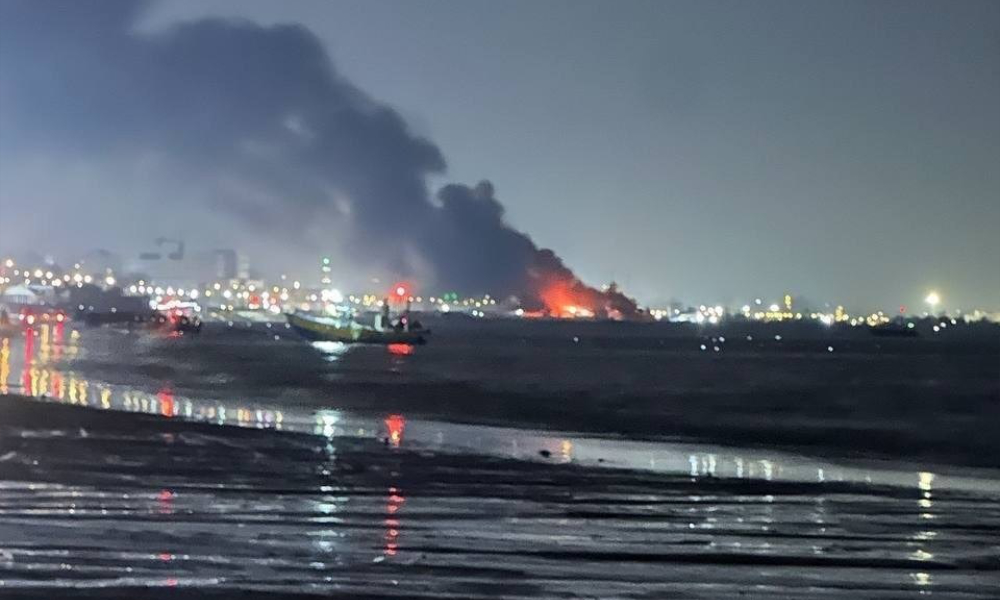
“We have faced more than threats. The US has carried out two, and in a sense three, high-intensity military aggressions against Iran. We have gone through those stages,” he said.
Baqaei stressed that Iran’s decisions are based on national interests and security considerations and would not be influenced by threats, intimidation, or media pressure.
Trump’s assertions unfounded
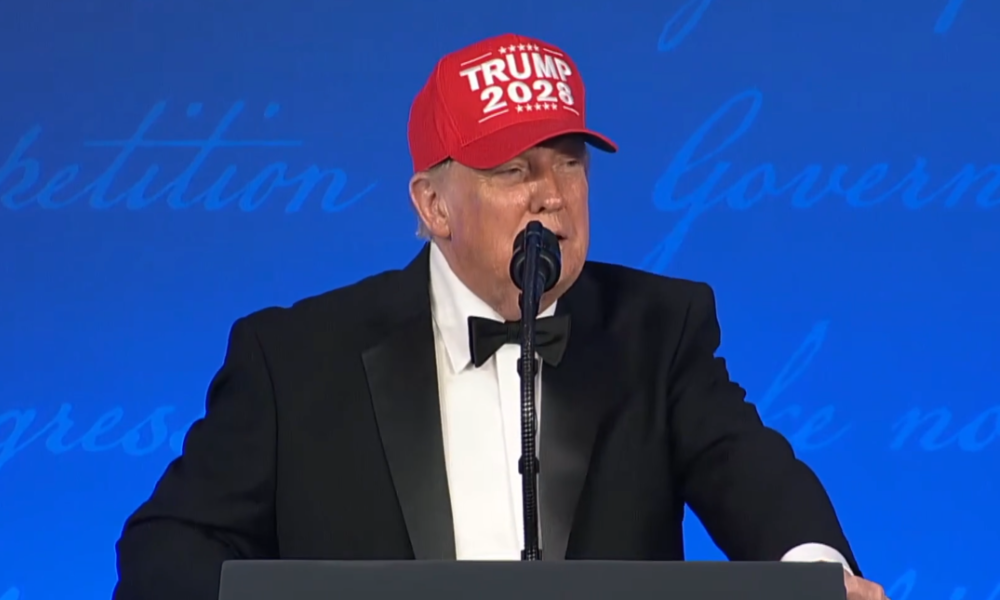
Commenting on US President Donald Trump’s claims that Iran had sought to stop attacks, Baqaei said such statements had repeatedly proven to be unfounded and described the use of social media as part of psychological and media warfare against Iran.
He added that past experience showed that threats and media pressure would not force Iran to abandon its positions.
“Any assumption that threats and media pressure can make Iran retreat from its principled positions is inconsistent with past experience.
“We will continue to act based on what serves the country’s interests,” he said.
Baqaei also said that Iran had received diplomatic contacts from Bulgaria, the United Kingdom, and Ukraine over the last 24 hours.
He stated that Iran’s responsibility was to warn about the consequences of any possible new aggression or military escalation.
“Any country that cooperates in an aggression against Iran or provides military bases, facilities, or logistical support to an aggressor will place itself among those responsible for the aggression and must accept the consequences of its actions,” Baqaei said.
He described Iran’s position as being based on the right of self-defence and the principles of international law, arguing that countries have a responsibility to protect their national interests and security.
Baqaei concluded that any understanding between Tehran and Muscat regarding a new maritime route is separate from the issue of whether the Strait of Hormuz is reopened or remains restricted, adding that the future status of the waterway is linked to regional security developments and actions taken by the US.
- Bernama

No comments:
Post a Comment
Note: Only a member of this blog may post a comment.